Experience across wind, solar, BESS, data centers, heavy civil, utilities, and industrial projects.
Aligned with OSHA / NFPA / EM 385 / ISO
Work built to OSHA 1910/1926, NFPA 70E, EM 385-1-1, and ISO 14001/45001/9001 frameworks.
Nationwide Coverage
United States projects with mobilization to Canada (Ontario, Alberta, Saskatchewan), Puerto Rico, and Mexico.
Trenching & Excavation Training
for Renewable Energy & Construction
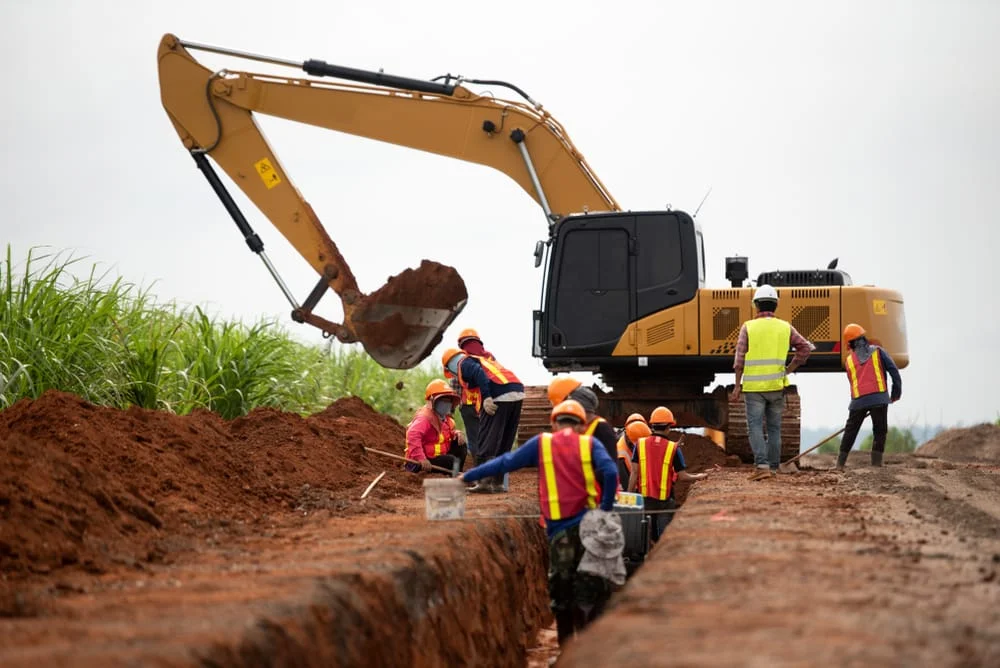
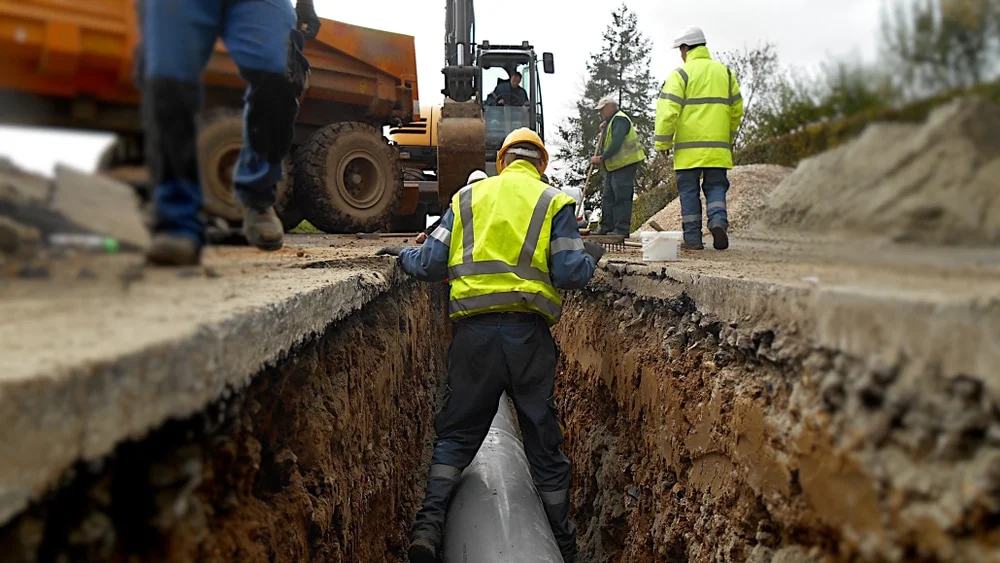
Trenching & Excavation training teaches workers how to recognize soil hazards, prevent cave-ins, install protective systems, and perform safe entry. The Competent Person portion focuses on soil testing, hazard assessment, daily inspections, and correcting unsafe conditions before any work begins.
This training exists to prevent cave-ins, struck-by hazards, engulfment incidents, and utility strikes—while helping employers meet OSHA excavation requirements.
Fill out the form below, and our team will respond promptly with complete training details and next-step guidance.
We Deliver Trenching & Excavation Training
On-site training for renewables & industrial crews.
Our instructors teach workers how to recognize hazards, perform daily inspections, and install safe protective systems. The Competent Person portion ensures someone on site is trained to identify risks and correct issues before work begins.