Experience across wind, solar, BESS, data centers, heavy civil, utilities, and industrial projects.
Aligned with OSHA / NFPA / EM 385 / ISO
Work built to OSHA 1910/1926, NFPA 70E, EM 385-1-1, and ISO 14001/45001/9001 frameworks.
Nationwide Coverage
United States projects with mobilization to Canada (Ontario, Alberta, Saskatchewan), Puerto Rico, and Mexico.
Hearing Conservation Training
for Renewable Energy & Construction
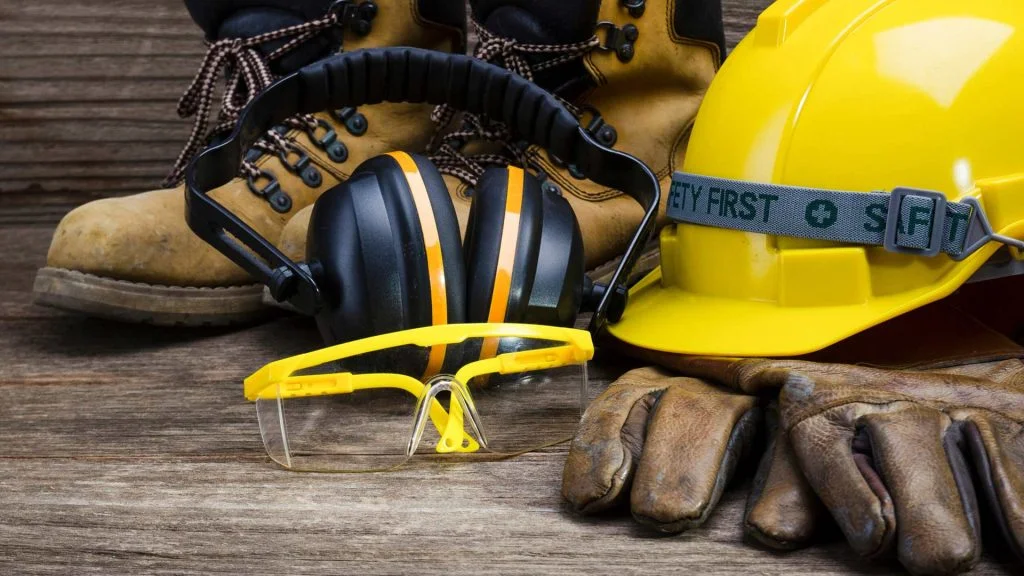
Hearing Conservation Training teaches workers how noise exposure affects hearing, how to properly use hearing protection, and how to identify areas where sound levels may exceed OSHA limits. The training covers noise hazards, monitoring expectations, communication requirements, and correct use of earplugs, earmuffs, and site controls used to limit exposure.
This training reduces noise-related injuries, supports OSHA compliance, and helps teams protect hearing during construction and industrial work.
Fill out the form below, and our team will respond promptly with complete training details and next-step guidance.
Hearing Conservation Training for Safety
On-site and remote training for renewables & industrial projects.
Our instructors teach workers to recognize noise hazards, use proper hearing protection, and follow OSHA exposure rules. Training supports safer work in wind, solar, BESS, data center, and industrial sites with high noise.