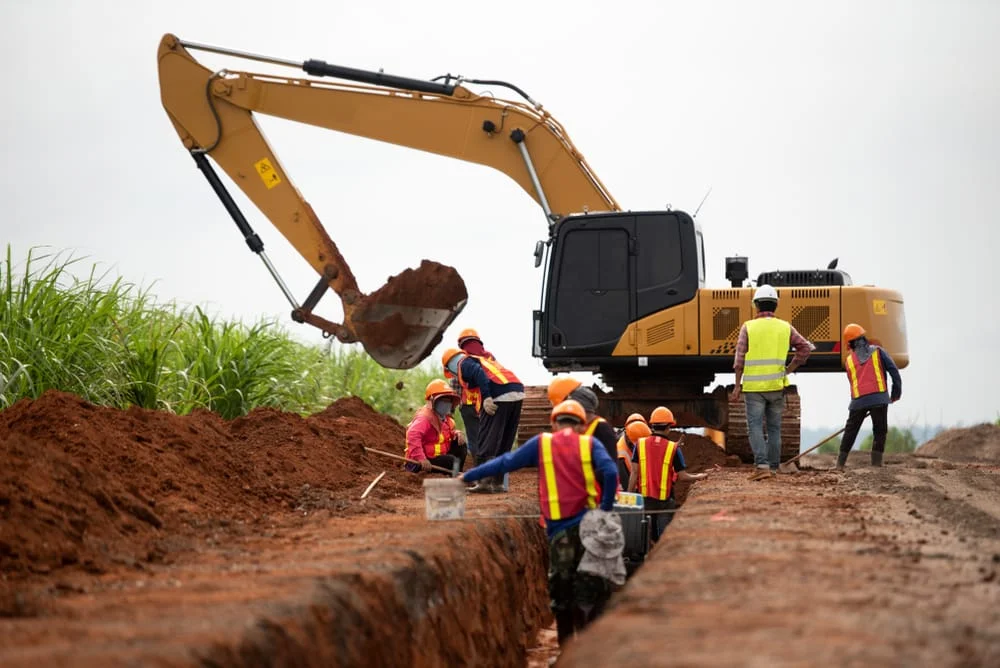
Experience across wind, solar, BESS, data centers, heavy civil, utilities, and industrial projects.
Aligned with OSHA / NFPA / EM 385 / ISO
Work built to OSHA 1910/1926, NFPA 70E, EM 385-1-1, and ISO 14001/45001/9001 frameworks.
Nationwide Coverage
United States projects with mobilization to Canada (Ontario, Alberta, Saskatchewan), Puerto Rico, and Mexico.
Back Injury Prevention / Ergonomics Training
for Renewable Energy & Construction
Back Injury Prevention / Ergonomics Training teaches workers to recognize strain hazards, use proper lifting techniques, set up work areas safely, and reduce musculoskeletal stress. It covers body mechanics, tool handling, workstation layout, risk factors, and corrective steps. The program aligns with OSHA manual handling rules and EM 385-1-1 ergonomic requirements.
This training exists to reduce soft-tissue injuries, improve job-site movement, and support safer work habits through practical, easy-to-use techniques.
The Risks of Working Without Back Injury Prevention Training
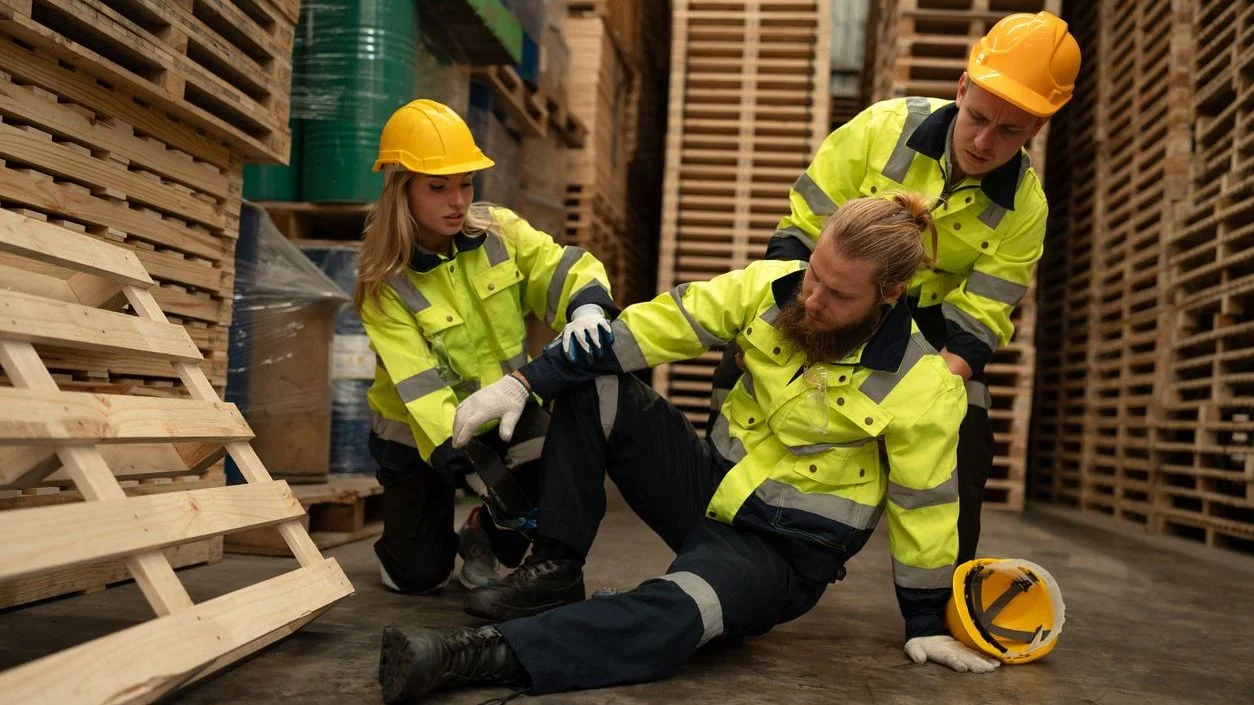
Wind, solar, BESS, data center, and heavy civil projects face higher strain injuries, overlooked risks, and worker discomfort without ergonomic training.
What Happens Without Back Injury & Ergonomics Training
Fill out the form below, and our team will respond promptly with complete training details and next-step guidance.
Back & Ergonomics Training for Safer Worksites
On-site and remote training for renewables & industrial projects.
Our trainers teach workers to prevent back strain, set up work areas properly, and handle materials safely, with training designed for wind, solar, BESS, data center, and industrial sites.