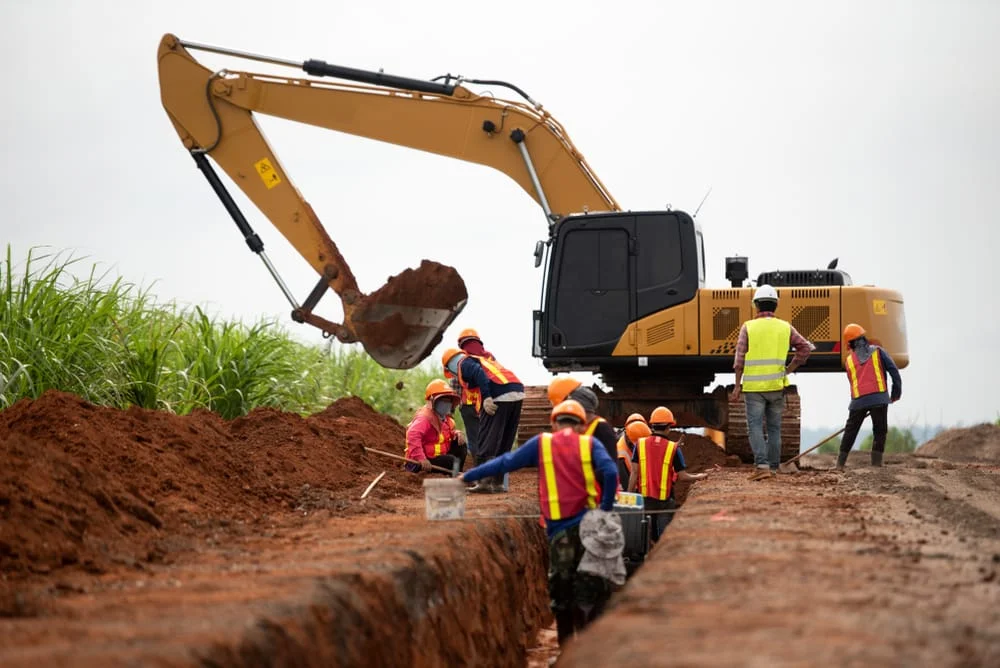
Experience across wind, solar, BESS, data centers, heavy civil, utilities, and industrial projects.
Aligned with OSHA / NFPA / EM 385 / ISO
Work built to OSHA 1910/1926, NFPA 70E, EM 385-1-1, and ISO 14001/45001/9001 frameworks.
Nationwide Coverage
United States projects with mobilization to Canada (Ontario, Alberta, Saskatchewan), Puerto Rico, and Mexico.
Hazard Communication (HAZCOM) Training
for Renewable Energy & Construction
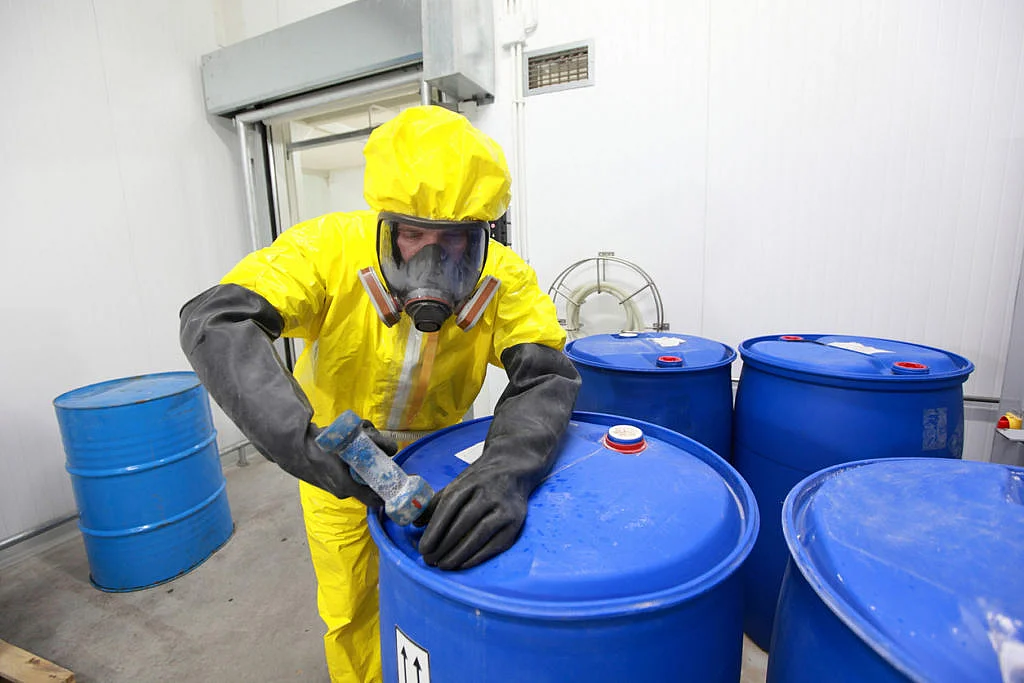
HAZCOM Training teaches workers how to understand chemical hazards, read container labels, interpret Safety Data Sheets (SDS), and follow safe handling procedures. It ensures every employee knows the risks of the chemicals they work with and the controls needed to protect themselves.
This training prevents exposures, irritation, fires, and accidents from improper chemical handling, helping employers meet OSHA 1910.1200 requirements.
Fill out the form below, and our team will respond promptly with complete training details and next-step guidance.
HAZCOM Training for Safer Workplaces
On-site instruction for renewables & industrial teams.
Our instructors explain chemical hazards, labeling rules, and SDS information in simple terms so crews can handle materials safely. Training ensures compliance with OSHA HAZCOM requirements and supports safer day-to-day operations.