Experience across wind, solar, BESS, data centers, heavy civil, utilities, and industrial projects.
Aligned with OSHA / NFPA / EM 385 / ISO
Work built to OSHA 1910/1926, NFPA 70E, EM 385-1-1, and ISO 14001/45001/9001 frameworks.
Nationwide Coverage
United States projects with mobilization to Canada (Ontario, Alberta, Saskatchewan), Puerto Rico, and Mexico.
Slips, Trips, and Falls Training
for Renewable Energy & Construction
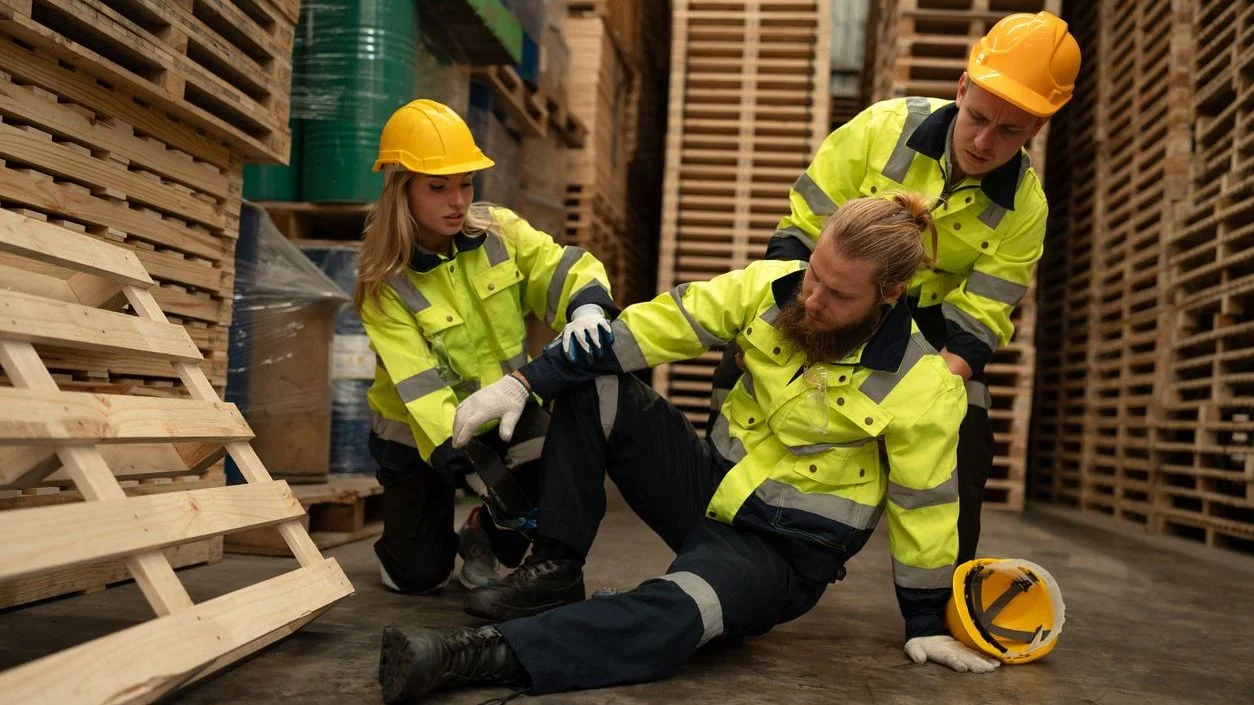
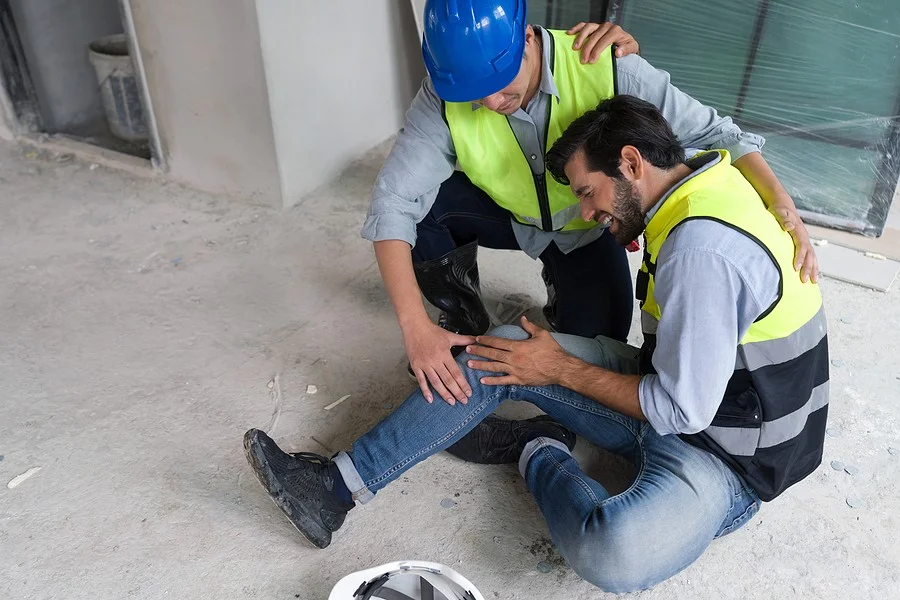
Slips, Trips, and Falls Training teaches workers to identify common job-site hazards and take steps that lower fall risk during daily tasks. It covers walking-working surfaces, housekeeping practices, footwear needs, inspection routines, safe ladder use, environmental conditions, and hazard reporting. Training aligns with OSHA fall-prevention rules and EM 385-1-1 expectations for federal projects.
This training reduces fall-related injuries, increases hazard awareness, and supports safer job-site movement.
Fill out the form below, and our team will respond promptly with complete training details and next-step guidance.
Slips, Trips, & Falls Training for Safer Worksites
On-site and remote training for renewables & industrial projects.
Our trainers teach practical ways to reduce fall hazards during daily operations. Crews learn to move safely, identify risks early, and apply preventive steps across wind, solar, BESS, data center, and industrial sites.