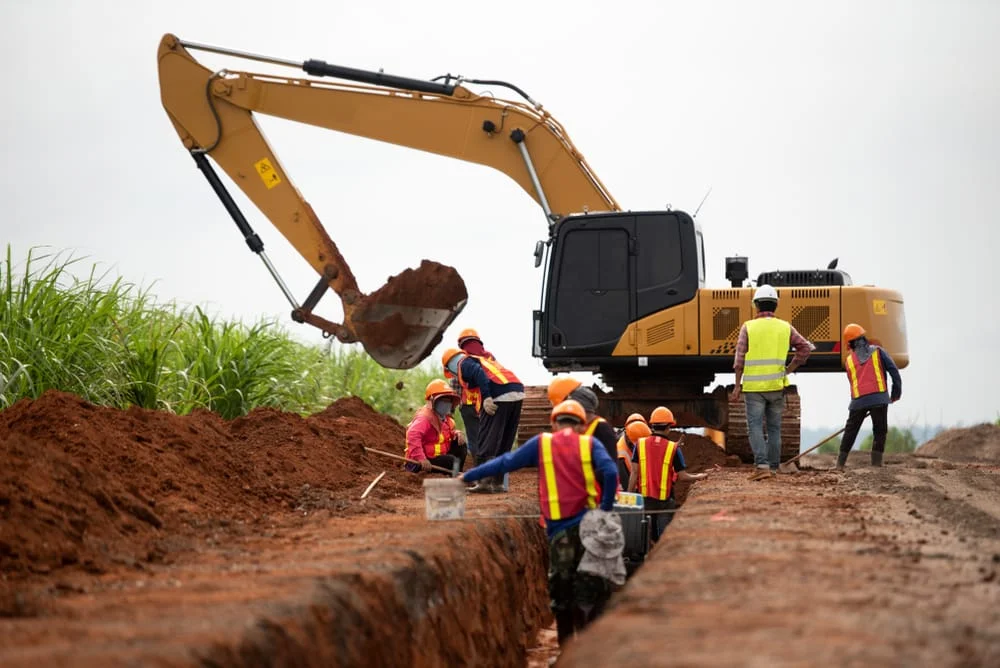
Experience across wind, solar, BESS, data centers, heavy civil, utilities, and industrial projects.
Aligned with OSHA / NFPA / EM 385 / ISO
Work built to OSHA 1910/1926, NFPA 70E, EM 385-1-1, and ISO 14001/45001/9001 frameworks.
Nationwide Coverage
United States projects with mobilization to Canada (Ontario, Alberta, Saskatchewan), Puerto Rico, and Mexico.
Chemical Safety & Handling
for Renewable Energy & Construction
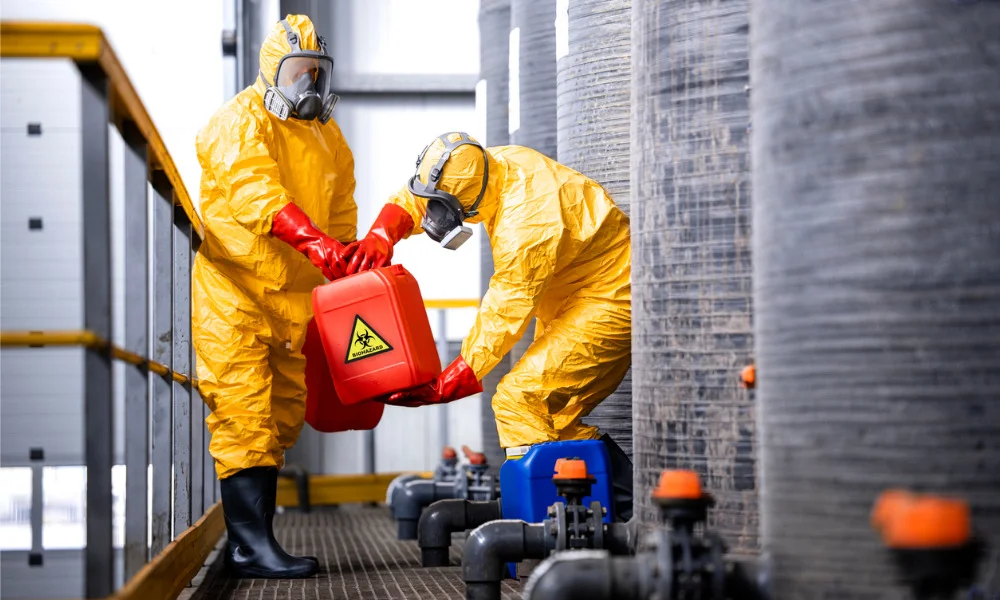
Chemical Safety & Handling training teaches workers how hazardous chemicals are identified, stored, transported, and used in safe ways. This includes reading Safety Data Sheets (SDS), understanding labeling systems, and knowing how to avoid exposure during mixing, transferring, or applying chemicals on active job sites.
This training exists to reduce exposure incidents, prevent chemical releases, and support OSHA compliance when chemicals are used in field operations.
Fill out the form below, and our team will respond promptly with complete training details and next-step guidance.
We Deliver Chemical Safety & Handling Training
On-site instruction for renewables & industrial teams.
Our instructors teach workers to identify chemical hazards, read SDS requirements, store chemicals safely, and respond to spills or exposures, reducing job-site risks and supporting compliance.