Experience across wind, solar, BESS, data centers, heavy civil, utilities, and industrial projects.
Aligned with OSHA / NFPA / EM 385 / ISO
Work built to OSHA 1910/1926, NFPA 70E, EM 385-1-1, and ISO 14001/45001/9001 frameworks.
Nationwide Coverage
United States projects with mobilization to Canada (Ontario, Alberta, Saskatchewan), Puerto Rico, and Mexico.
Signal Person Training
for Renewable Energy & Construction
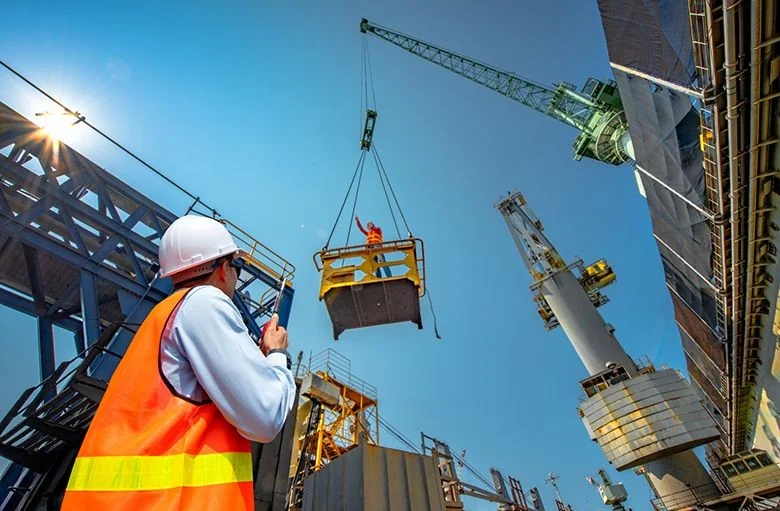
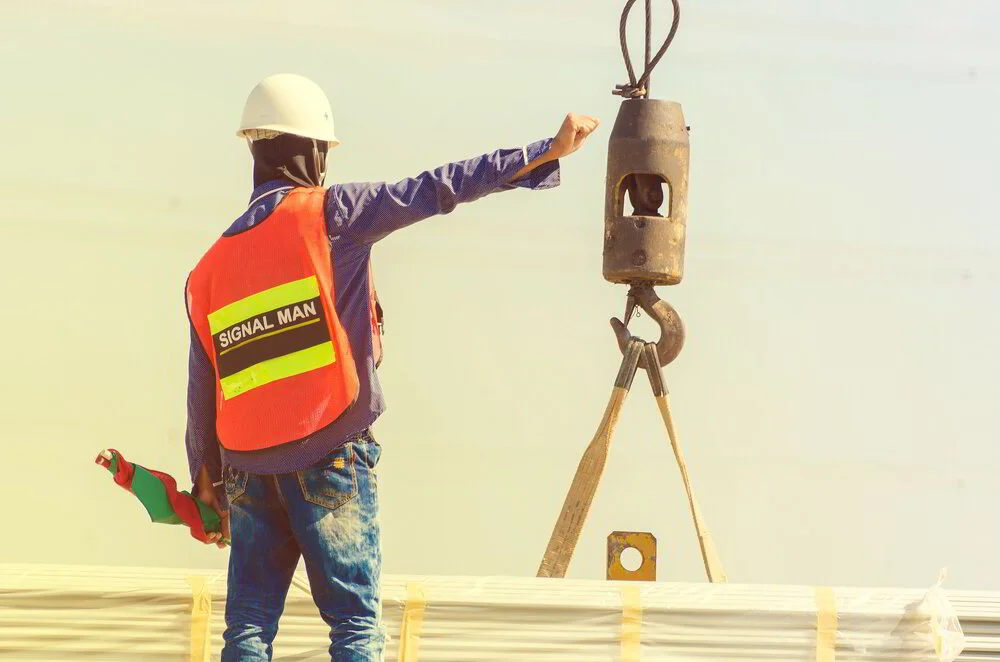
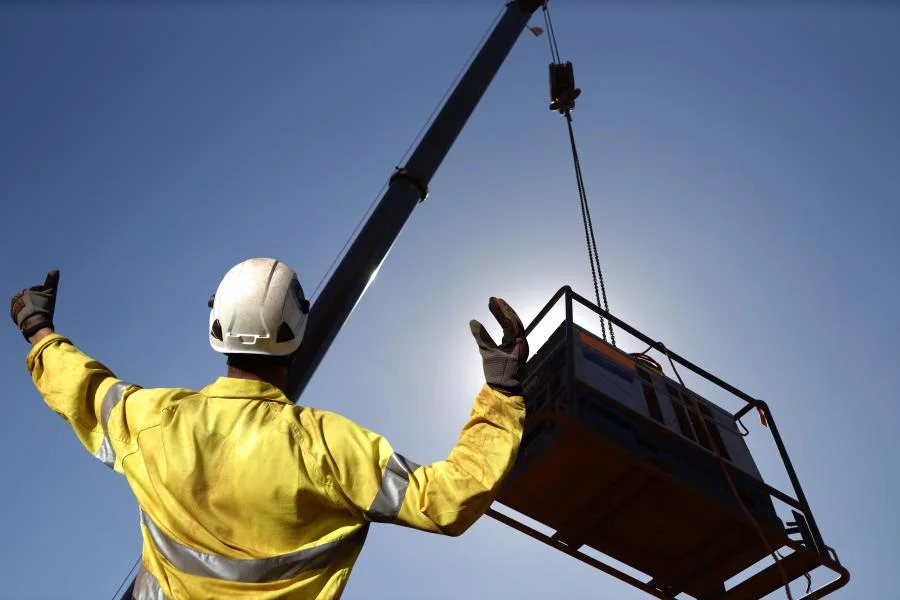
Signal Person Training teaches workers how to guide crane movements using approved hand signals, voice commands, and radio communication. This training ensures crews can support safe lifts, prevent miscommunication, and align with OSHA qualification requirements for active signaling duties.
This training exists to reduce communication failures, prevent equipment incidents, and support lift operations with clear, consistent direction.
The Risks of Working Without Signal Person Training
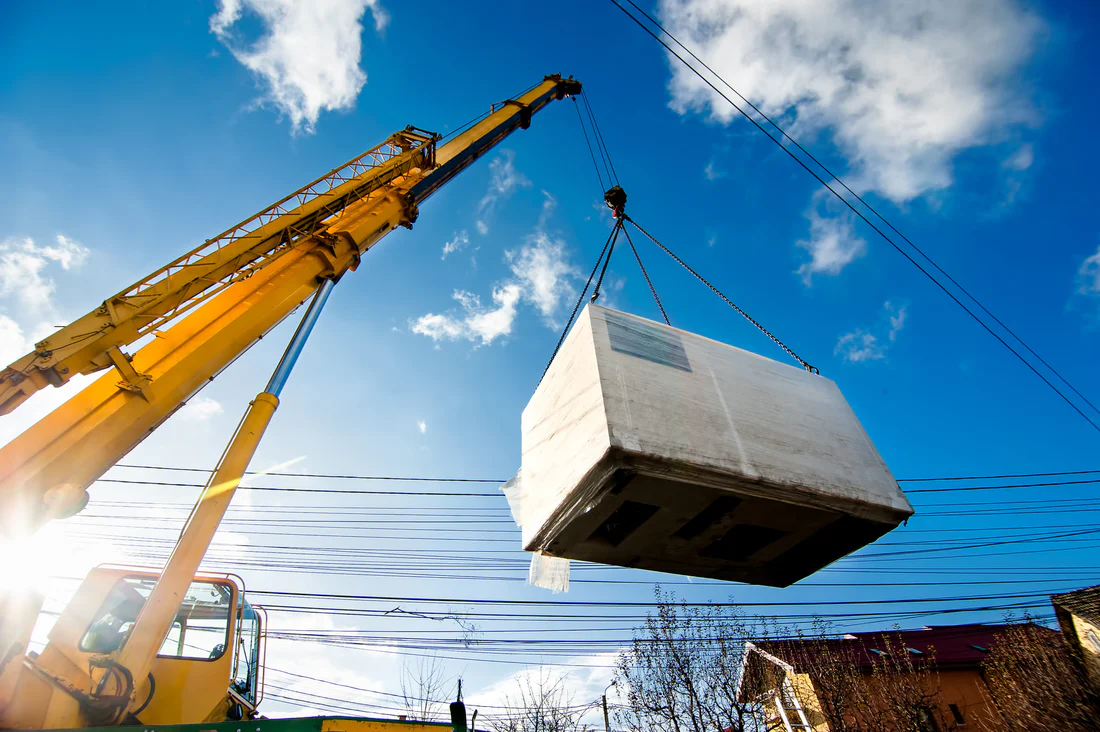
Cranes rely on the signal person when the operator has limited visibility or during blind lifts. Without proper training, communication mistakes can create serious risks.
Fill out the form below, and our team will respond promptly with complete training details and next-step guidance.
Signal Person Training for Safer Workplaces
On-site instruction for renewables & industrial teams.
Our program teaches workers how to communicate with crane operators through approved hand signals, radio commands, and structured communication steps that support safe, efficient lifts across all project phases.