Scissor Lift (MEWP) - Training
Keeping crews safe, lifts stable, and elevated work compliant on wind, solar, BESS, data center, and industrial sites.
Stay Connected With Us
23+ Years in Safety
Experience across wind, solar, BESS, data centers, heavy civil, utilities, and industrial projects.
Aligned with OSHA / NFPA / EM 385 / ISO
Work built to OSHA 1910/1926, NFPA 70E, EM 385-1-1, and ISO 14001/45001/9001 frameworks.
Nationwide Coverage
United States projects with mobilization to Canada (Ontario, Alberta, Saskatchewan), Puerto Rico, and Mexico.
for Renewable Energy & Construction
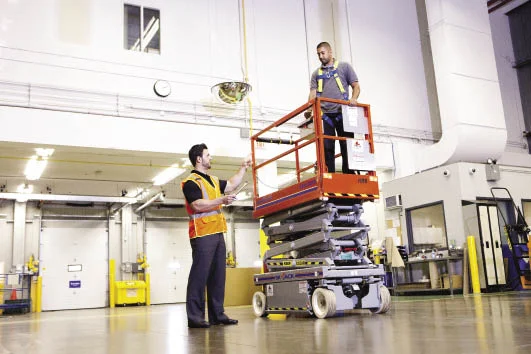
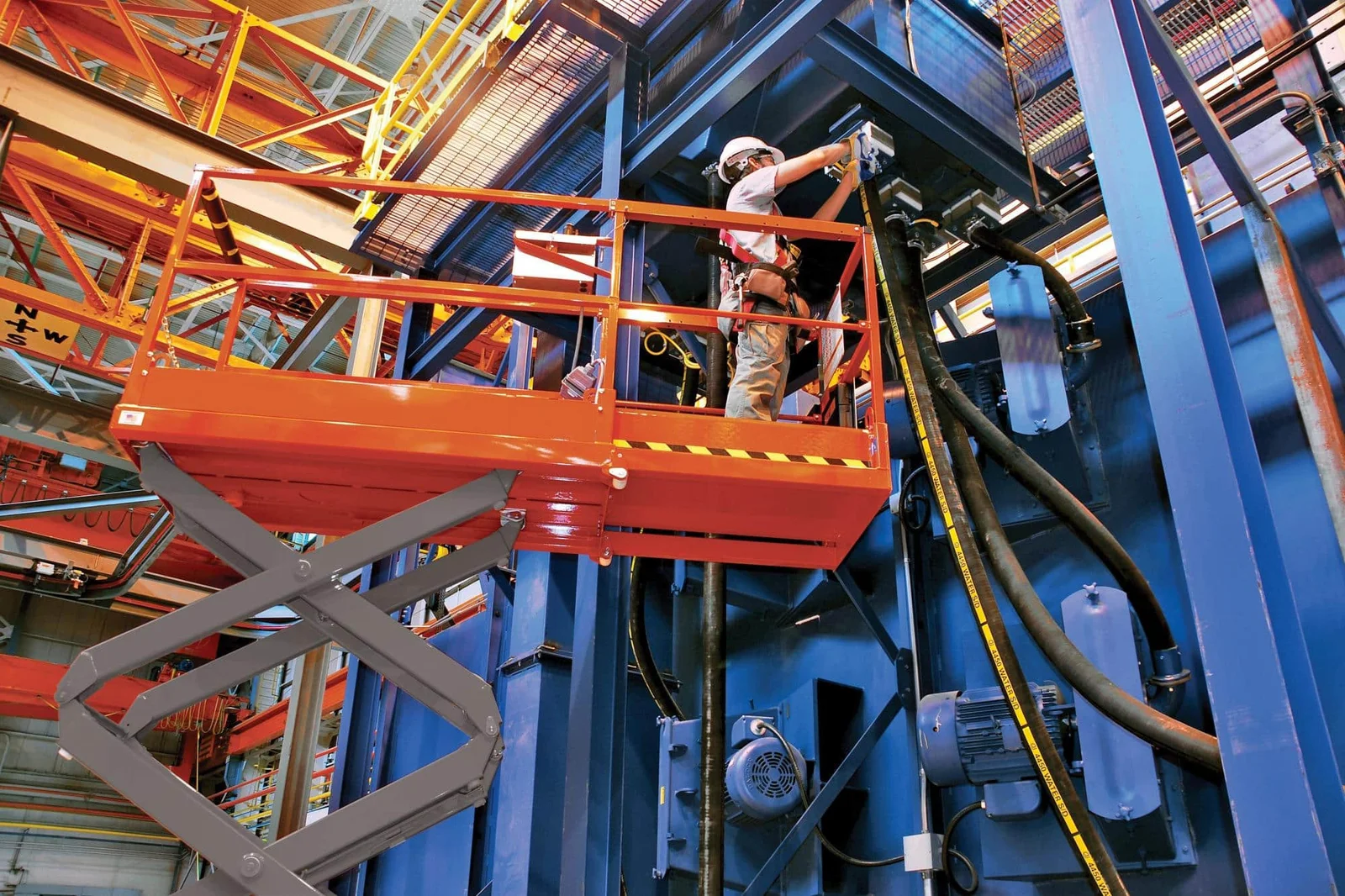
Scissor Lift (MEWP) Operator Training teaches workers how to inspect equipment, operate lifts safely, understand tip-over risks, set up on stable ground, and follow fall protection and platform control rules. The training helps prevent falls, collisions, caught-between incidents, and equipment damage during elevated work.
This training exists to reduce operator errors, avoid tip-overs, and support safe work at height on every project.
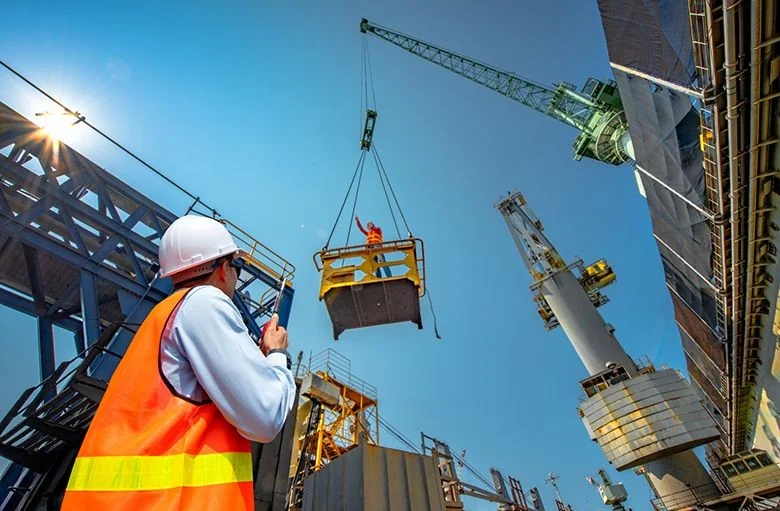
Construction Equipment Operator Training
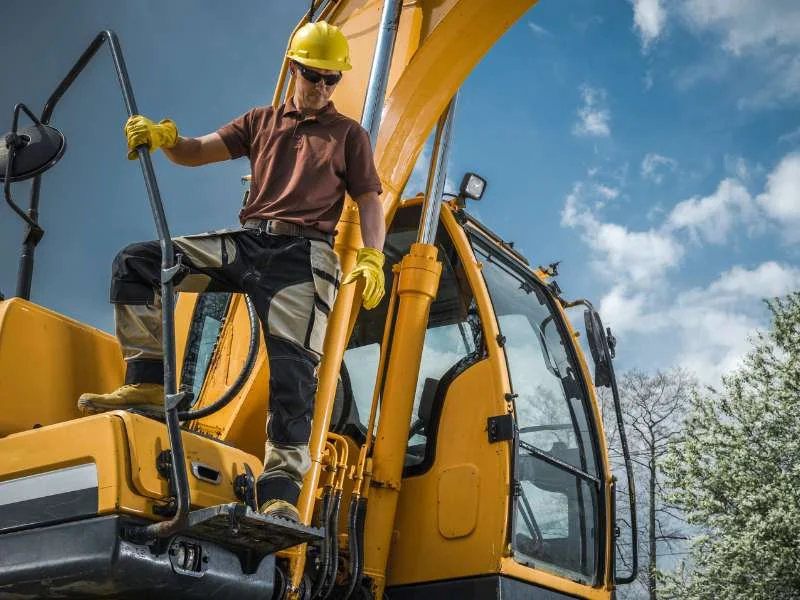
Training on equipment controls, site hazards, reporting needs, and operating practices that support safe work on active projects.
The Risks of Working Without Scissor Lift (MEWP) Operator Training
Elevated work presents fall hazards, collision risks, and stability issues. Without proper training, workers face preventable incidents.
What Happens Without MEWP Operator Training
Scissor Lift (MEWP) Operator Training
Fill out the form below, and our team will respond promptly with complete training details and next-step guidance.
On-site instruction for renewables & industrial teams.
Our training teaches workers how to inspect, operate, and maneuver MEWPs safely while avoiding tip-overs, collisions, and fall hazards.
Partner with Renew Safety
Get answers to common questions about OSHA 10–Hour Construction training.
It is training that teaches workers how to inspect and operate scissor lifts safely while avoiding falls, collisions, and stability hazards.
Yes. OSHA requires proper training before a worker operates any mobile elevated work platform.
Most companies refresh training every three years or sooner if unsafe operation is observed.
Tip-overs, unstable ground, unsafe platform use, and lack of operator awareness.
Guardrails serve as primary fall protection; harnesses may be required based on site rules or task conditions.