DOT/FMCSA Compliance - Training
Keeping transportation safe and federally compliant for wind, solar, BESS, data center, utility, and industrial projects.
Stay Connected With Us
23+ Years in Safety
Experience across wind, solar, BESS, data centers, heavy civil, utilities, and industrial projects.
Aligned with OSHA / NFPA / EM 385 / ISO
Work built to OSHA 1910/1926, NFPA 70E, EM 385-1-1, and ISO 14001/45001/9001 frameworks.
Nationwide Coverage
United States projects with mobilization to Canada (Ontario, Alberta, Saskatchewan), Puerto Rico, and Mexico.
for Renewable Energy & Construction
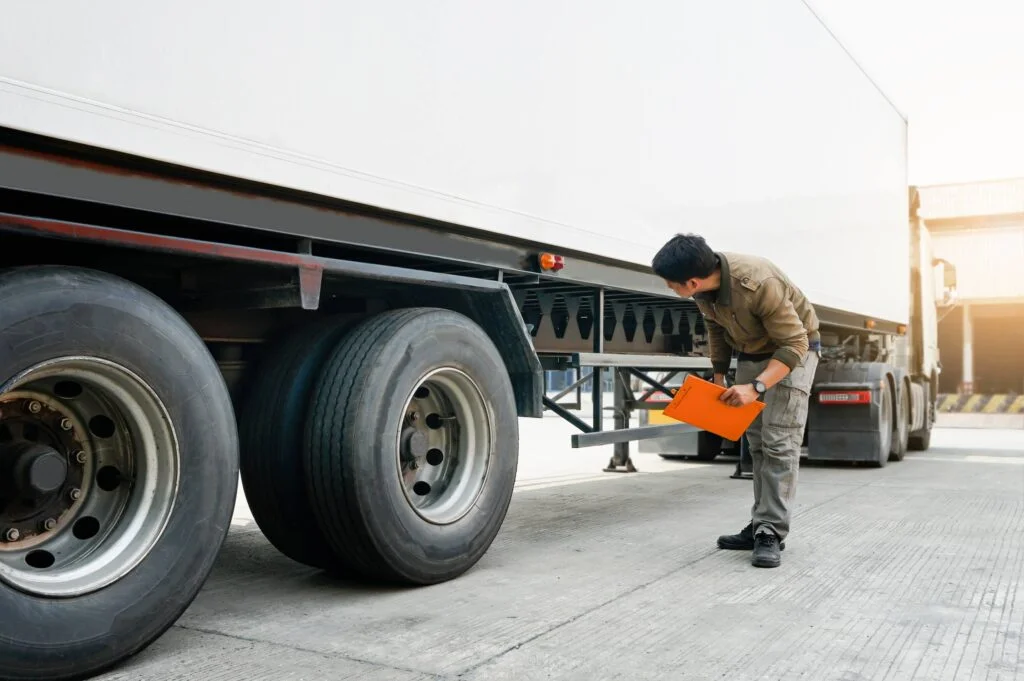
DOT/FMCSA Compliance Training helps employers and drivers understand and follow federal transportation rules related to commercial vehicles, driver qualifications, drug and alcohol programs, hours-of-service, vehicle inspections, and recordkeeping. It ensures companies stay compliant and avoid violations during audits or roadside inspections.
This training exists to reduce incidents, prevent citations, and maintain safe, reliable transportation operations.
Driver & Fleet Safety
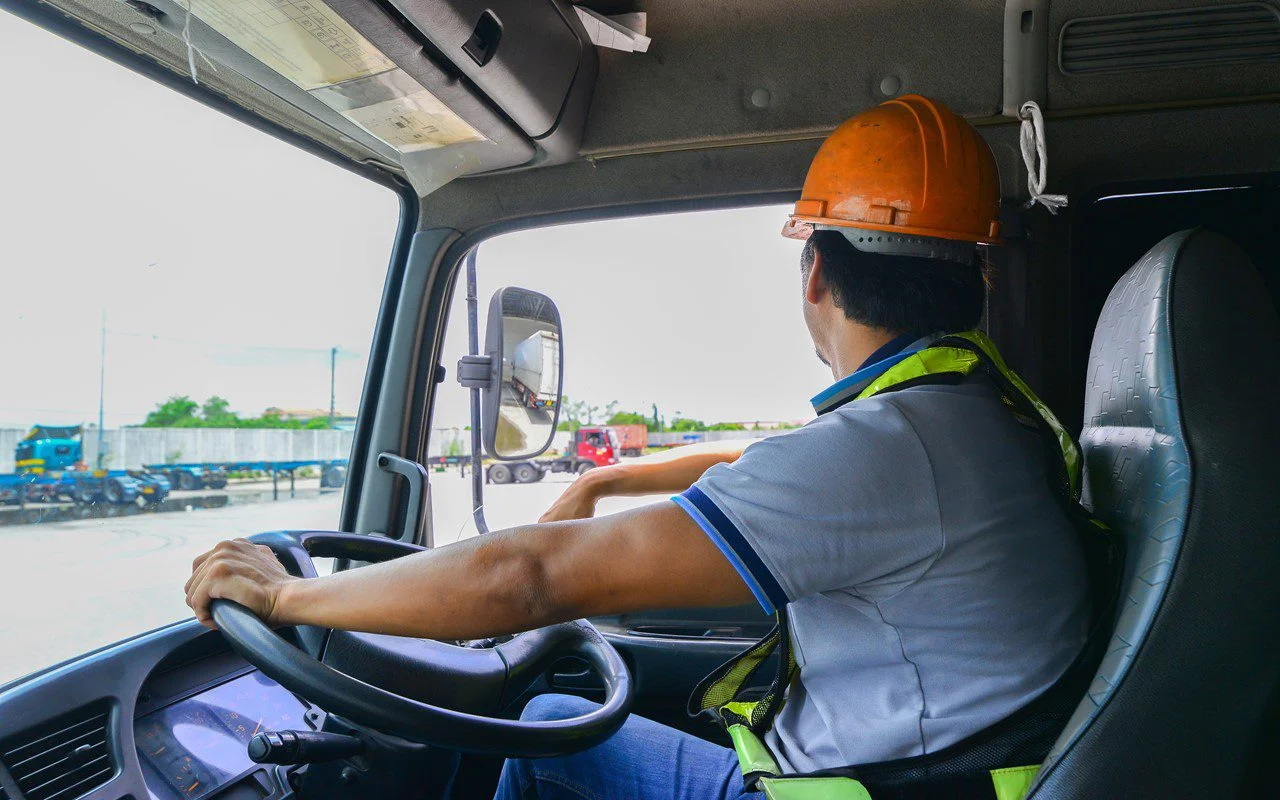
Training on safe driving habits, vehicle inspection steps, reporting needs, and roadway rules that support safer fleet operations.
01
Training on risk awareness, safe response methods, reporting steps, and roadway practices that help reduce preventable incidents.

02
03
The Risks of Working Without DOT/FMCSA Compliance Training
Transportation in wind, solar, BESS, data center, and industrial projects must meet federal rules; without proper training, companies face audits, fines, & more incidents.
What Happens Without DOT/FMCSA Training
DOT/FMCSA Compliance Training
Fill out the form below, and our team will respond promptly with complete training details and next-step guidance.
On-site instruction for renewables & industrial teams.
Our instructors focus on FMCSA rules, proper recordkeeping, safe commercial driving behavior, and employer responsibilities. This training helps teams meet federal requirements and avoid preventable violations.
Partner with Renew Safety

Get answers to common questions about OSHA 10–Hour Construction training.
Training that explains federal rules for commercial vehicles, drivers, inspections, drug and alcohol programs, and hours-of-service.
Employers, supervisors, CDL drivers, and anyone responsible for transportation safety or recordkeeping.
Driver qualification files, medical cards, inspection reports, maintenance logs, and drug and alcohol testing documentation.
Log errors, expired medical cards, missing records, hours-of-service issues, and incomplete drug and alcohol program requirements.
By teaching teams how to meet federal expectations, maintain proper documentation, and prevent violation trends.