
Defensive Driving - Training
Keeping drivers alert, reducing incidents, and supporting safe transport on wind, solar, BESS, data center, utility, and industrial projects.
Stay Connected With Us
23+ Years in Safety
Experience across wind, solar, BESS, data centers, heavy civil, utilities, and industrial projects.
Aligned with OSHA / NFPA / EM 385 / ISO
Work built to OSHA 1910/1926, NFPA 70E, EM 385-1-1, and ISO 14001/45001/9001 frameworks.
Nationwide Coverage
United States projects with mobilization to Canada (Ontario, Alberta, Saskatchewan), Puerto Rico, and Mexico.
for Renewable Energy & Construction
Defensive Driving Training teaches workers how to anticipate hazards, maintain safe vehicle control, and prevent collisions on and off project sites. It helps reduce traffic incidents, near misses, and equipment damage by focusing on real driving behavior, proper spacing, visibility, and hazard recognition.
This training helps prevent motor vehicle accidents, reduce downtime, protect crews, equipment, and roadways, and support transportation safety requirements.
Driver & Fleet Safety
Training on safe driving habits, vehicle inspection steps, reporting needs, and roadway rules that support safer fleet operations.
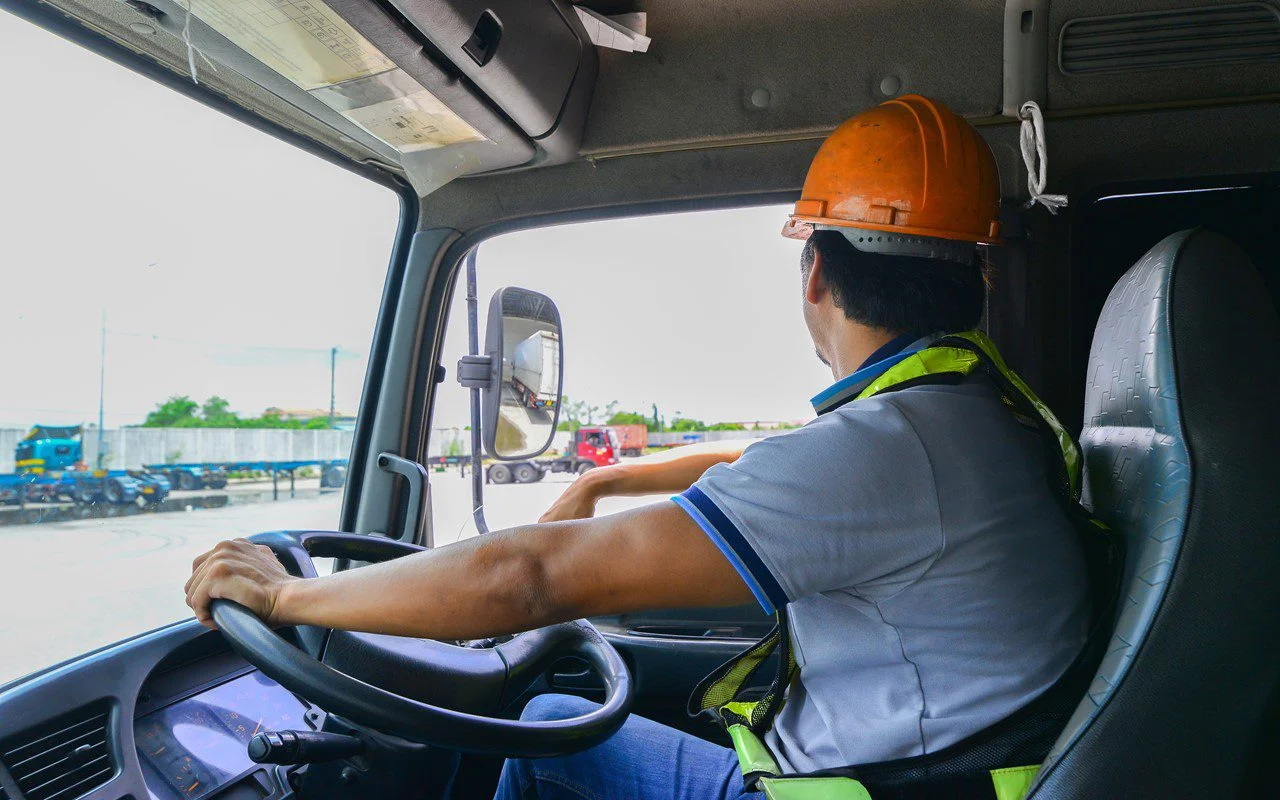
01
Training on risk awareness, safe response methods, reporting steps, and roadway practices that help reduce preventable incidents.

02

03
The Risks of Working Without Defensive Driving Training
Wind, solar, BESS, data center, and industrial projects face higher transportation risks when crews travel long distances or operate vehicles on busy roadways.
What Happens Without Defensive Driving Training
Defensive Driving Training
Fill out the form below, and our team will respond promptly with complete training details and next-step guidance.
On-site instruction for renewables & industrial teams.
Our instructors teach drivers how to identify hazards early, adjust to changing road conditions, and maintain full vehicle control. Training helps crews avoid incidents and supports project transportation requirements.
Partner with Renew Safety
Get answers to common questions about OSHA 10–Hour Construction training.
To teach drivers how to recognize hazards early and make safe decisions that prevent collisions.
Any employee who operates a company vehicle, service truck, equipment transport, or regularly drives for work.
At onboarding and periodically depending on employer policies or incident history.
Yes. It helps drivers increase awareness, maintain safe spacing, and respond better to changing conditions.
Hazard recognition, speed control, following distance, work zone navigation, and vehicle inspection basics.