
Cold Stress Prevention - Training
Keeping crews safe, warm, and protected during cold-weather work on wind, solar, BESS, data center, and industrial sites.
Stay Connected With Us
23+ Years in Safety
Experience across wind, solar, BESS, data centers, heavy civil, utilities, and industrial projects.
Aligned with OSHA / NFPA / EM 385 / ISO
Work built to OSHA 1910/1926, NFPA 70E, EM 385-1-1, and ISO 14001/45001/9001 frameworks.
Nationwide Coverage
United States projects with mobilization to Canada (Ontario, Alberta, Saskatchewan), Puerto Rico, and Mexico.
for Renewable Energy & Construction
Cold Stress Prevention Training teaches workers how to identify hypothermia, frostbite, trench foot, and early warning signs of cold-related illness. The training covers safe clothing layers, warming procedures, work-rest cycles, hydration, and jobsite controls for winter conditions. These techniques help crews stay safe in freezing temperatures, high winds, and wet conditions.
This training exists to prevent cold-related injuries, protect workers during severe weather, and keep winter operations moving safely.
Additional Courses
Courses that address extra safety topics, hazard awareness, reporting duties, and practices that support broader workplace readiness.

01
Training on cold-weather risks, early warning signs, reporting needs, and safety practices that support workers in low-temperature conditions.
02
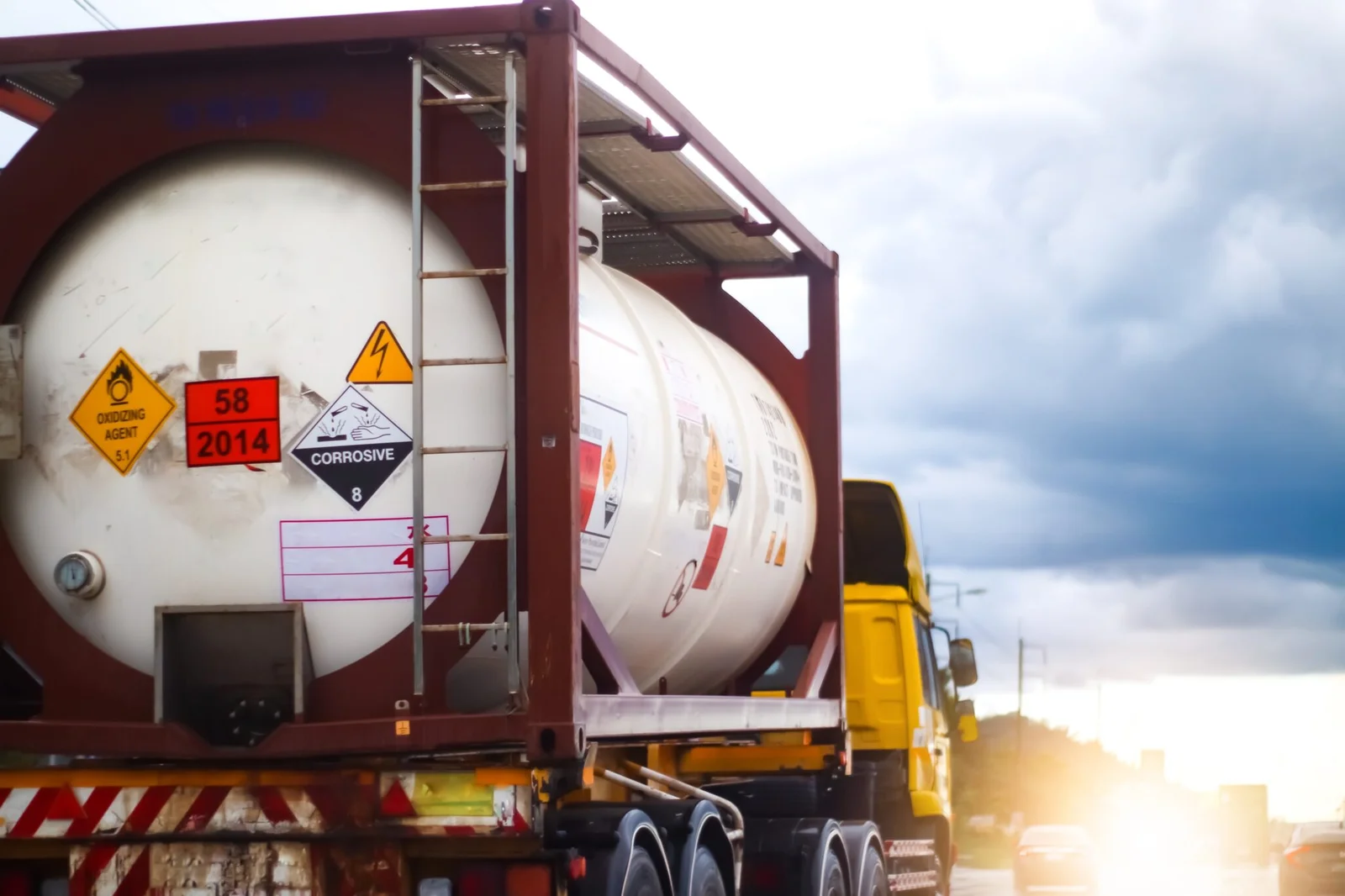
Training on transport hazards, labeling steps, reporting duties, and safety practices required for moving regulated materials.
03
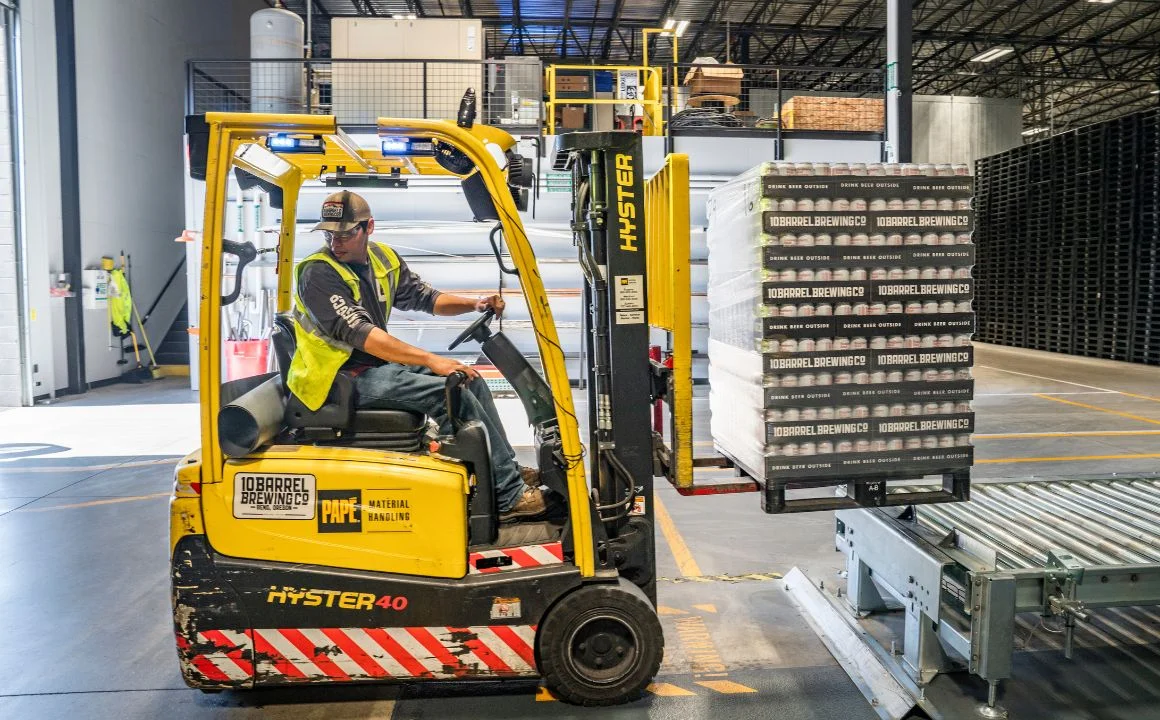
Training on forklift controls, load-handling steps, inspection needs, reporting duties, and safe driving practices for warehouse and field work.
04
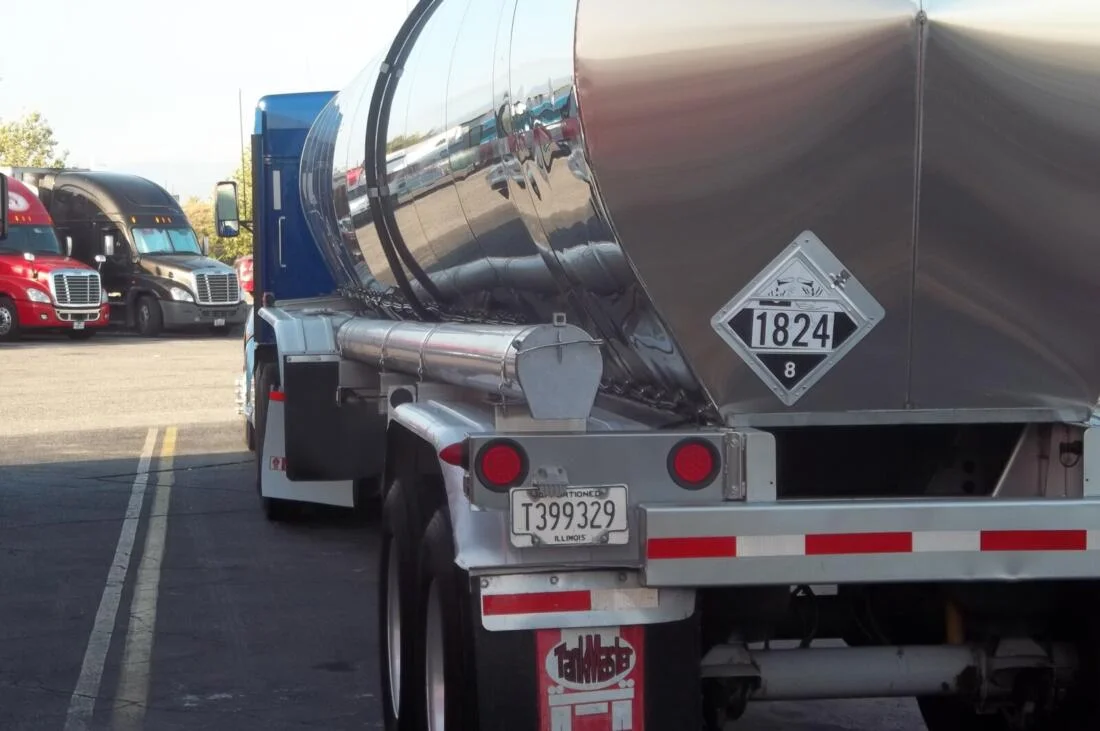
Training on MOT requirements, packaging steps, labeling needs, reporting duties, and safety rules for carrying limited quantities of materials.
The Risks of Working Without Cold Stress Prevention Training
Winter work heightens hypothermia, frostbite, dehydration, and alertness risks; untrained crews face preventable medical emergencies that slow work.
What Happens Without Cold Stress Prevention Training
Cold Stress Prevention Training
Fill out the form below, and our team will respond promptly with complete training details and next-step guidance.
On-site instruction for renewables & industrial teams.
Our training shows workers how to prepare for cold weather, recognize early symptoms, and follow safe work practices during winter conditions. Crews learn how to stay warm, stay aware, and stay safe.
Partner with Renew Safety

Get answers to common questions about OSHA 10–Hour Construction training.
Cold stress happens when the body loses heat faster than it can replace it, leading to hypothermia, frostbite, or trench foot.
Shivering, numbness, tiredness, confusion, and discolored skin are early warning signs workers must report right away.
Layered clothing, waterproof gear, hydration, warm breaks, and limiting exposure in high winds help reduce cold-related risks.
OSHA requires employers to protect workers from recognized hazards, including extreme cold, which makes training essential.
Cold-stress risk increases at freezing temperatures or anytime wind chill drops below safe levels.