Respirator Selection
Choosing the correct respirator for each task, exposure level, and environment—aligned with OSHA 1910.134(d), NIOSH, and ANSI standards.
23+ Years in Safety
Experience across wind, solar, BESS, data centers, heavy civil, utilities, and industrial projects.
Aligned with OSHA / NFPA / EM 385 / ISO
Work built to OSHA 1910/1926, NFPA 70E, EM 385-1-1, and ISO 14001/45001/9001 frameworks.
Nationwide Coverage
United States projects with mobilization to Canada (Ontario, Alberta, Saskatchewan), Puerto Rico, and Mexico.
Match the Right Respirator to the Hazard
This service ensures that each respirator provided to workers offers adequate protection for the specific hazards present—such as dust, fumes, vapors, gases, or oxygen-deficient conditions. It also includes guidance on selecting the right type of respirator for the environment and ensuring it is properly fitted and used according to safety standards.
Selection follows exposure monitoring results, Safety Data Sheets (SDS), and OSHA 1910.134(d) standards to ensure worker protection and compliance.
Respirator Safety
Training that helps workers select, fit, and use respirators correctly to protect against dust, fumes, gases, vapors, and oxygen-deficient conditions while maintaining OSHA compliance.
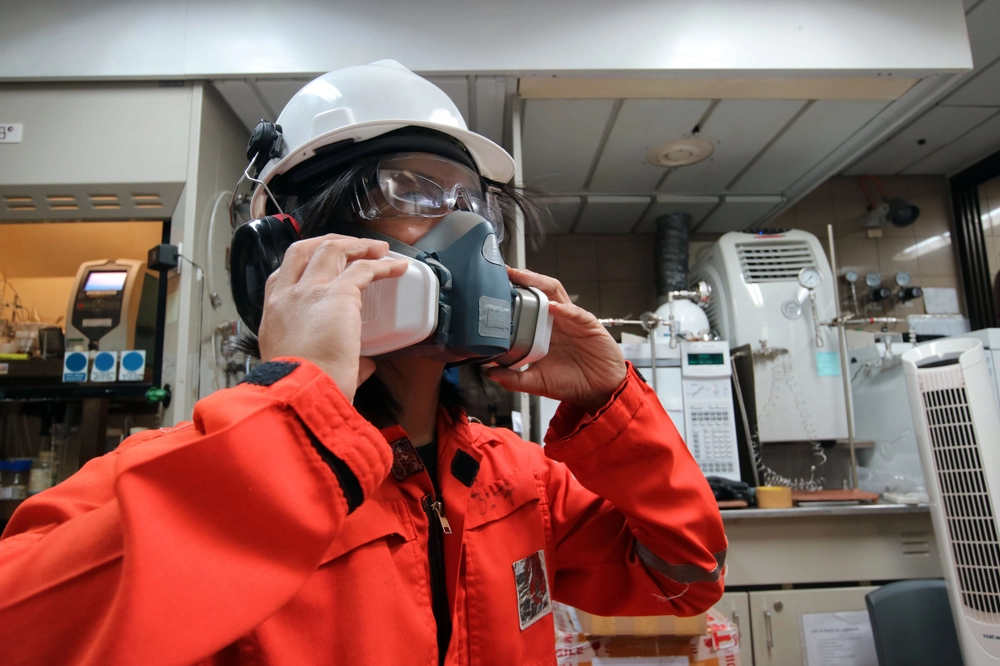
01
Hands-on training to ensure proper fit, seal checks, and comfort for all respirator types while maintaining OSHA compliance on site.

02
Covers safe respirator use, maintenance, cleaning, and recordkeeping to support compliance with OSHA regulations.
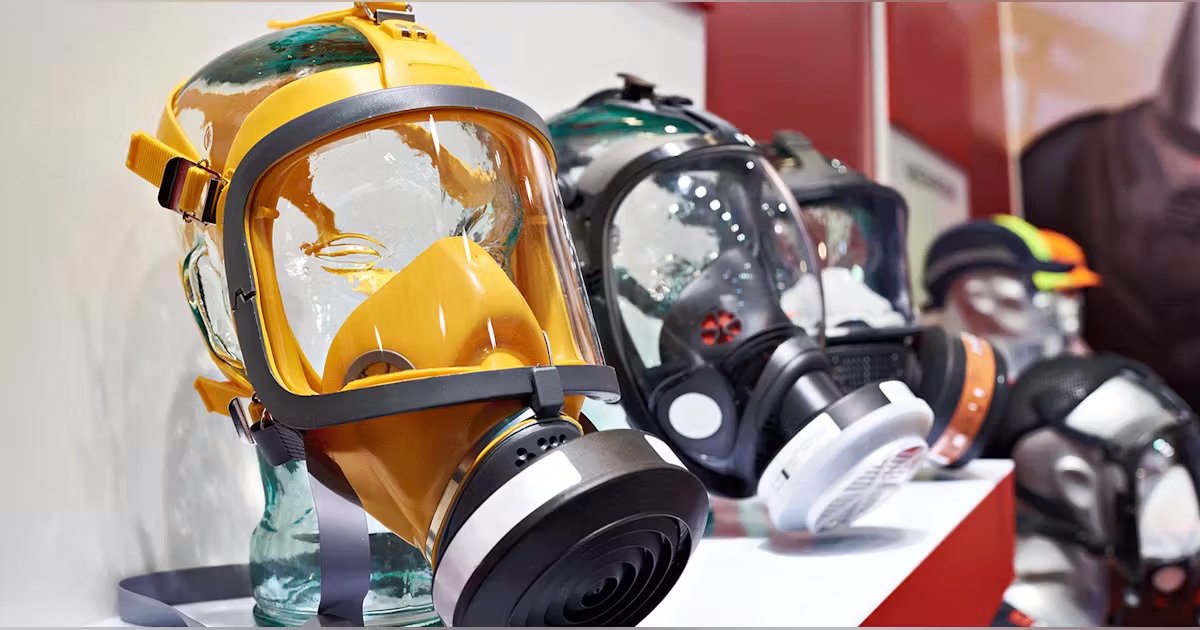
03
Guidance on choosing the correct respirator and filter type based on workplace hazards, exposure levels, and required protection.
Why Proper Respirator Selection Matters for Worker Safety and Compliance
Incorrect respirator choices can expose workers to contaminants. OSHA requires documented selection based on hazards and NIOSH-approved models.
Risks Without Proper Selection
Respirator Selection
Fill out the form below, and our team will respond promptly with complete training details and next-step guidance.
NIOSH-Approved | OSHA 1910.134(d) | Documented Evaluation
We assist employers in selecting respirators that meet OSHA and project-specific requirements—backed by industrial hygiene data and verified efficiency ratings.
Partner with Renew Safety
Get answers to common questions about Respirator Selection.
Contaminant type, exposure concentration, oxygen level, and required protection factor determine respirator type and filter selection.
Air-purifying respirators filter contaminants from ambient air, while supplied-air respirators provide clean air from an external source.
At least annually or whenever there are changes in workplace processes, materials, or exposure levels.
No. Selection must be made by the program administrator or safety professional based on documented hazard evaluation.
Yes. OSHA requires all respirators used for protection in occupational settings to be NIOSH-certified.