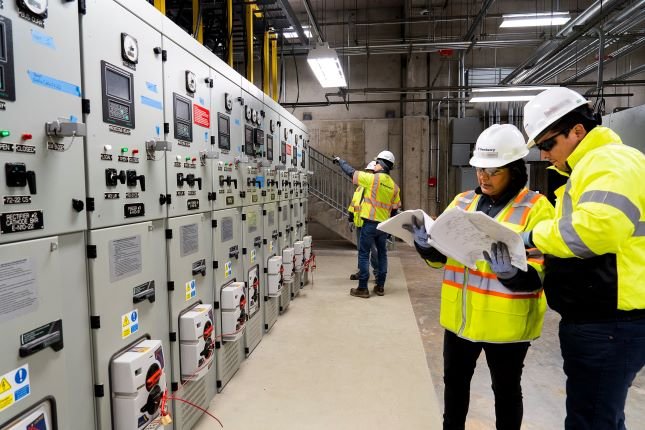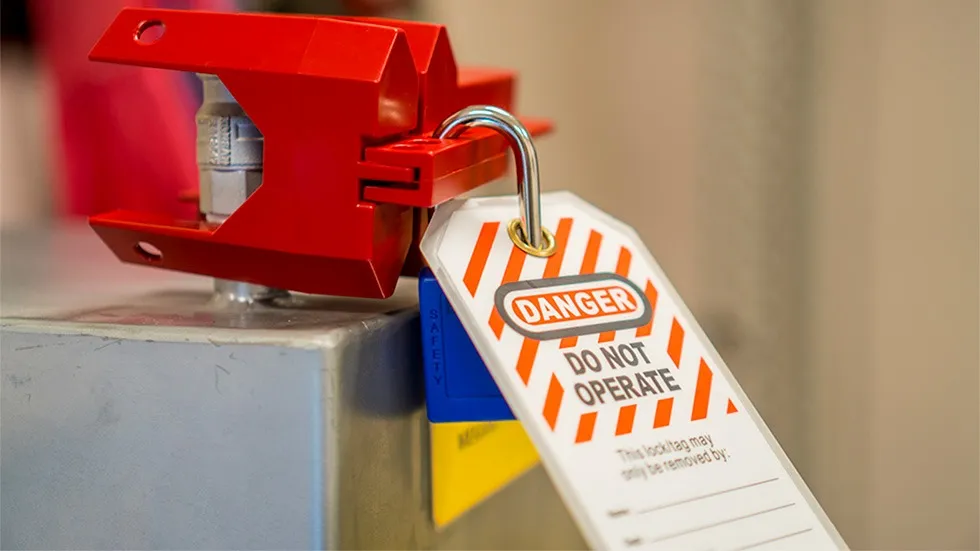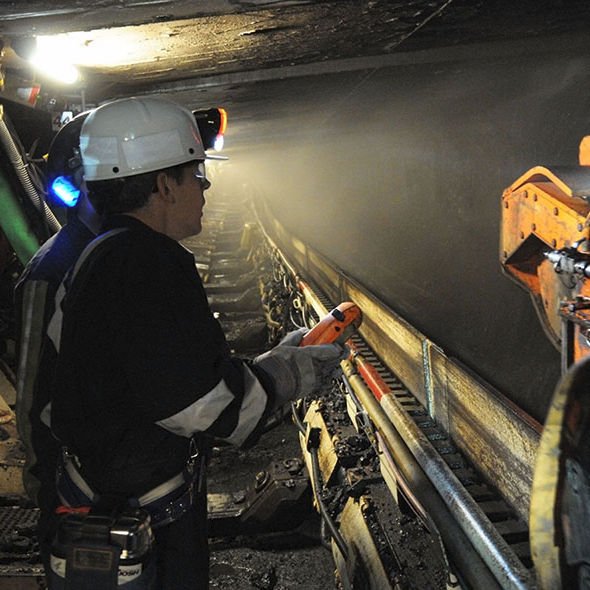
Electrical incidents kill 400 workers annually and cause 3,600 disabling injuries in North American workplaces, yet 87% of companies operating electrical equipment lack fully compliant NFPA 70E programs, exposing organizations to catastrophic liability, OSHA fines exceeding $150,000 per violation, and preventable worker fatalities that destroy families and corporate reputations permanently. This guide reveals how to construct, implement, and maintain an NFPA 70E electrical safety program that protects workers from arc flash and shock hazards while ensuring regulatory compliance through systematic build-out phases, clearly defined roles, and strategic renewal cycles that adapt to evolving electrical risks and regulatory changes.
Table of Contents:
- The Problem: Why Most Electrical Safety Programs Fail to Protect Workers
- What to Consider: NFPA 70E Requirements and Implementation Framework
- How to Choose: Program Development Strategy and Renewal Planning
- Renew Safety’s NFPA 70E Program Development Services
- Frequently Asked Questions
The Problem: Why Most Electrical Safety Programs Fail to Protect Workers
The Compliance Illusion Crisis
Organizations falsely believe that basic lockout/tagout procedures and annual safety training satisfy electrical safety requirements, creating dangerous compliance gaps that leave workers exposed to arc flash incidents reaching 35,000°F and electrical shock hazards that kill in milliseconds. Recent OSHA investigations reveal that 92% of electrical fatalities involve employers who claimed full safety compliance, yet lacked fundamental NFPA 70E program elements including documented electrical safety programs, qualified worker designations, and arc flash risk assessments completed within the past five years.
The proliferation of generic electrical safety templates downloaded from internet sources compounds program inadequacy. These boilerplate documents fail to address site-specific hazards, equipment configurations, and operational realities that determine actual risk exposure. Companies implement these templates believing they’ve achieved compliance, discovering their inadequacy only after incidents occur. The false security these templates provide proves more dangerous than acknowledged program absence, as organizations stop seeking improvement believing they’re protected.
Common program deficiency patterns:
- Generic procedures lacking site-specific hazard identification
- Outdated arc flash studies with obsolete incident energy calculations
- Training programs that don’t address actual equipment and tasks
- Missing or incorrect arc flash labels on electrical panels
- Absence of documented electrical work permits and procedures
- No defined process for contractor electrical safety verification
The financial consequences extend beyond regulatory fines. Arc flash incidents average $15 million in direct and indirect costs including medical treatment, litigation, equipment replacement, business interruption, and reputation damage. Workers’ compensation claims for electrical injuries exceed $500,000 per incident. OSHA citations for electrical safety violations result in public disclosure damaging client relationships and contract opportunities. Insurance carriers increasingly exclude coverage for electrical incidents lacking documented NFPA 70E compliance, leaving organizations fully exposed to catastrophic losses.
Management misconceptions about electrical safety requirements perpetuate program inadequacy. Executives assume electricians inherently understand safety requirements without formal NFPA 70E training. Facility managers believe equipment manufacturers’ safety features eliminate hazard exposure. Operations leaders prioritize production over safety procedures, creating pressure to bypass protective measures. These cultural failures guarantee eventual incidents regardless of written program quality.
The Qualified Worker Designation Failure
The NFPA 70E distinction between qualified and unqualified electrical workers remains broadly misunderstood, with 73% of organizations incorrectly assuming that journeyman electrician licenses automatically confer qualified status, creating lethal exposure when inadequately trained workers perform energized electrical work. The NFPA 70E standard explicitly requires demonstrated skills and knowledge including safety-related work practices, ability to distinguish exposed energized parts, determination of nominal voltage, and approach distances for specific tasks—requirements that traditional electrical training rarely addresses adequately.
Licensed electricians without specific NFPA 70E training lack critical safety knowledge. They don’t understand incident energy calculations that determine PPE requirements. Arc flash boundary determinations remain foreign concepts. Energized work permit requirements get ignored. Risk assessment procedures seem like unnecessary bureaucracy. This knowledge gap transforms experienced electricians into accident statistics when arc flash incidents occur. The assumption that electrical experience equals electrical safety competence kills workers regularly.
Qualification verification challenges:
- No standardized certification for NFPA 70E qualification
- Training records lacking task-specific competency documentation
- Contractor qualifications unverified before work authorization
- Annual retraining requirements ignored or inadequate
- Medical fitness for electrical work unchecked
- Emergency response training absent or outdated
The qualified person designation requires continuous validation through demonstrated competency, not one-time training completion. Workers must prove understanding of specific hazards associated with their assigned tasks. Different voltage levels require separate qualification verification. Various equipment types demand distinct competency demonstration. This granular approach to qualification contradicts the binary qualified/unqualified designation most organizations apply.
Organizations fail to recognize that qualified person status remains task and equipment specific. A worker qualified for 480V motor control center maintenance isn’t automatically qualified for 13.8kV switchgear operation. Someone competent in panel board troubleshooting may lack qualification for variable frequency drive work. This specificity requires detailed qualification matrices documenting individual competencies against actual work requirements—documentation that 89% of companies lack entirely.
The Arc Flash Assessment Obsolescence Problem
Arc flash risk assessments become dangerously obsolete within months of completion as electrical systems undergo constant modification through equipment additions, setting changes, and utility service adjustments, yet 68% of facilities operate with assessments over five years old, relying on incident energy calculations that no longer reflect actual hazard levels. The IEEE 1584 standard governing arc flash calculations underwent major revision in 2018, invalidating previous assessment methodologies and requiring complete recalculation of incident energy values that determine PPE selection and work procedures.
System modifications invalidate arc flash assessments immediately. Adding a single transformer changes fault current availability throughout the distribution system. Adjusting protective device settings alters clearing times that determine incident energy. Replacing motors or adding variable frequency drives modifies system impedance. Utility service upgrades increase available fault current. These changes occur continuously in active facilities, rendering static assessments progressively inaccurate until they provide false security rather than actual protection.
Assessment invalidation factors:
- Electrical system modifications without assessment updates
- Protective device setting changes undocumented
- Utility service capacity increases unrecognized
- Equipment deterioration affecting clearing times
- Software calculation method updates required
- Label degradation making information illegible
The five-year assessment cycle mandated by NFPA 70E represents maximum intervals, not recommended practice. Facilities with active modification programs require annual assessment reviews. Critical equipment demands continuous monitoring for changes affecting incident energy. Yet organizations treat the five-year requirement as permission to ignore assessments between mandatory updates. This interpretation transforms arc flash assessments from living safety documents into compliance checkboxes that fail to protect workers.
Professional assessment costs ranging from $15,000 to $50,000 for typical facilities encourage organizations to delay updates, gambling worker safety against budget constraints. Internal assessment attempts using inadequate software and unqualified personnel produce incorrect incident energy calculations that specify wrong PPE levels. Under-calculated values expose workers to burns, while over-calculated values make work impossible with excessive PPE requirements. Both errors stem from treating complex engineering analysis as simple software exercises.
The Training Program Theater
Electrical safety training degenerates into annual PowerPoint presentations that satisfy documentation requirements while failing to develop actual competencies needed for safe electrical work, with 81% of workers reporting their training doesn’t address specific hazards they encounter daily. Generic online courses claiming NFPA 70E compliance deliver theoretical knowledge without practical application, creating workers who can recite definitions but cannot identify energized conductors or calculate approach boundaries for their actual work environment.
The disconnect between training content and workplace reality guarantees ineffective learning. Training uses generic examples while workers need site-specific procedures. Courses discuss theoretical hazards while employees face actual equipment. Instructors lack facility knowledge while workers require detailed guidance. This gap transforms training from competency development into compliance theater that documents attendance without ensuring understanding.
Training program failures:
- Generic content ignoring facility-specific hazards
- Theoretical focus without hands-on practice
- Annual refreshers repeating identical content
- No competency verification beyond attendance
- Missing emergency response procedures
- Absent contractor and visitor requirements
Hands-on training with actual equipment remains rare despite being essential for competency development. Workers cannot learn proper PPE donning and doffing from videos. Arc flash suit inspection requires physical examination. Test instrument usage demands practical demonstration. Rescue procedures need realistic practice. Yet budget constraints and production pressures eliminate hands-on components, leaving workers theoretically trained but practically unprepared.
The assumption that electrical workers need less safety training than their exposure warrants reflects fundamental misunderstanding of risk magnitude. An arc flash incident releases energy equivalent to dynamite explosion. Electrical shock disrupts cardiac function instantaneously. These hazards demand extensive preparation exceeding typical safety training duration. Yet organizations allocate minimal hours annually, expecting brief sessions to counter lifetime habits and instincts that increase exposure.
What to Consider: NFPA 70E Requirements and Implementation Framework
Electrical Safety Program Architecture
NFPA 70E mandates electrical safety programs encompassing policy development, hazard assessment, work procedures, training requirements, and program auditing that collectively protect workers through systematic risk management rather than relying on individual judgment during hazardous work. The standard’s prescriptive requirements create framework flexibility allowing site-specific implementation while ensuring consistent protection levels across diverse industries and applications.
Program foundation elements specified by NFPA 70E Article 110 include general safety requirements, electrically safe work condition establishment, work involving electrical hazards, and use of equipment. These categories subdivide into detailed requirements addressing every aspect of electrical work from initial hazard identification through incident investigation. The full scope reflects electrical hazards’ severity and complexity compared to conventional workplace risks.
Core program components required:
- Documented electrical safety program with defined scope
- Hazard identification and risk assessment procedures
- Job safety planning and job briefing requirements
- Electrically safe work condition processes
- Energized electrical work permit systems
- Contractor safety program verification
- Incident investigation and program improvement
- Audit procedures ensuring ongoing effectiveness
The hierarchy of risk control methods prioritizes elimination through de-energization, making energized work rare rather than routine. When energized work becomes necessary, engineering controls like barriers and insulation provide primary protection. Administrative controls including permits and procedures add protective layers. Personal protective equipment serves as final defense, not primary protection. This hierarchy contradicts traditional approaches treating PPE as sufficient protection for routine energized work.
Program documentation requirements exceed simple policy statements. Detailed procedures must address specific tasks and equipment. Risk assessments require formal documentation with review cycles. Training records must demonstrate individual competencies. Audit results demand corrective action tracking. This documentation burden overwhelms organizations expecting minimal paperwork, yet proves essential for both worker protection and liability defense.
Risk Assessment Methodology Implementation
The risk assessment procedure mandated by NFPA 70E requires systematic evaluation of shock hazards, arc flash hazards, and other electrical dangers before work begins, transforming subjective danger perception into objective risk quantification that determines necessary protective measures. The hierarchy of risk controls guides mitigation strategies from elimination through PPE selection, ensuring appropriate protection without excessive measures that create additional hazards.
Shock hazard assessment examines voltage levels, approach boundaries, and exposed energized conductor accessibility. The limited approach boundary establishes distances where unqualified persons require qualified person escorts. Restricted approach boundaries demand additional protective measures including insulated tools and barriers. Prohibited approach boundaries require protection equivalent to direct contact, essentially treating approach as contact. These graduated boundaries recognize that electrical hazard severity increases with proximity, requiring greater protection as workers approach energized parts.
Arc flash risk assessment components:
- Incident energy calculations at working distance
- Arc flash boundary determination for burn protection
- PPE category selection based on incident energy
- Arc-rated clothing and equipment specification
- Face shield and balaclava requirements
- Leather protector needs for rubber insulating gloves
The likelihood of occurrence estimation adds complexity beyond traditional hazard assessment. Equipment condition affects failure probability—deteriorated components fail more frequently. Task complexity influences error likelihood—complicated procedures increase mistakes. Worker experience impacts incident probability—novice workers face higher risks. Environmental factors affect accident chances—confined spaces complicate work. These variables require subjective evaluation that challenges organizations expecting binary safe/unsafe determinations.
Human factors significantly influence risk levels yet remain difficult to quantify. Fatigue increases error rates exponentially. Pressure to restore power clouds judgment. Complacency from routine work reduces vigilance. Distractions from communications divide attention. These factors transform low-risk tasks into high-hazard operations. Risk assessments must acknowledge human factors without relying on them for protection, assuming worst-case human behavior when determining protective measures.
Energized Electrical Work Permit Systems
NFPA 70E restricts energized electrical work to specific justifiable conditions, requiring formal permit systems that document why de-energization isn’t feasible and what protective measures replace the eliminated hazard of working de-energized. The permit process forces systematic hazard evaluation, protective measure identification, and management authorization before exposing workers to energized electrical parts—bureaucracy that saves lives by preventing impulsive decisions during operational pressure.
Justification for energized work falls into two categories: infeasibility and increased hazards. Infeasibility includes diagnostic work requiring energization, situations where de-energization creates greater hazards, and life safety equipment that cannot be shut down. The greater hazard exception applies when de-energization would disable ventilation in hazardous locations, remove illumination for emergency egress, or interrupt life support systems. These narrow exceptions prevent routine work from claiming justification without thorough evaluation.
Permit documentation requirements:
- Description of circuit/equipment and work location
- Justification for why work must be performed energized
- Detailed description of work to be performed
- Shock hazard analysis with approach boundaries
- Arc flash hazard analysis with incident energy
- Protective measures including PPE and procedures
- Means to restrict access by unqualified persons
- Authorization signatures from qualified persons and management
The permit signing authority carries personal liability for authorizing energized work, transforming rubber stamp approval into serious evaluation. Managers must understand electrical hazards sufficiently to evaluate justification validity. They accept responsibility for worker injuries resulting from approved energized work. This accountability encourages conservative interpretation of energized work exceptions, defaulting to de-energization unless justification proves overwhelming.
Permit systems fail when treated as paperwork rather than protection. Generic permits covering multiple tasks eliminate specific hazard evaluation. Standing permits for routine work normalize energized work exposure. Electronic signatures without actual review provide documentation without evaluation. These shortcuts transform protective systems into liability shields that document policy compliance without ensuring worker safety. Effective permit systems require cultural commitment beyond procedural compliance.
Electrical Safe Work Condition Establishment
Creating an electrically safe work condition through proper lockout/tagout represents the primary protection method, yet NFPA 70E requirements extend beyond basic LOTO to include verification of absence of voltage, grounding for worker protection, and systematic process documentation ensuring complete hazard elimination. The six-step process for establishing electrically safe work conditions provides structured approach preventing shortcuts that reintroduce hazards during maintenance work.
The determination of all possible sources proves more complex than apparent circuits suggest. Back-feeds through transformers energize supposedly dead circuits. Control power from separate sources maintains hazardous energy. Induced voltages from parallel conductors create shock hazards. Stored energy in capacitors and inductors releases unexpectedly. Battery backup systems activate automatically. These alternative sources require systematic identification beyond following obvious feeds, demanding electrical system knowledge that casual workers lack.
Electrically safe work condition process:
- Determine all possible electrical energy sources
- Open disconnecting devices for each source
- Visually verify device operation where possible
- Release stored electrical energy
- Block or lock out disconnecting devices
- Test operating voltage detector, test for absence of voltage, re-test detector
The absence of voltage verification requires properly rated test instruments operated by qualified persons understanding both equipment operation and testing limitations. Non-contact voltage detectors provide preliminary indication but cannot confirm zero energy. Direct contact meters prove absence definitively but require opening equipment. The testing sequence—verify meter operation on known source, test supposedly de-energized circuit, re-verify meter operation—prevents false negatives from failed instruments.
Temporary protective grounding installation creates equipotential zones protecting workers from re-energization, induced voltages, and stored energy release. Ground cable sizing must handle available fault current without damage. Connection sequences—ground first, phase conductors second—ensure worker protection during installation. Placement locations must protect specific work areas, not just equipment generally. These technical requirements exceed typical electrician training, demanding advanced knowledge often lacking.
Personal Protective Equipment Selection
PPE selection for electrical work requires matching protection levels to calculated incident energy while maintaining worker mobility and visibility necessary for safe task completion, balancing protection against practicality through systematic assessment rather than defaulting to maximum protection that creates additional hazards. The ASTM F1506 standard governs arc-rated clothing requirements. establishing minimum requirements that generic FR clothing may not achieve despite flame resistance claims.
Arc flash PPE categories simplify selection by grouping similar incident energy levels, but the 2018 NFPA 70E revision eliminated the hazard/risk category tables that allowed PPE selection without calculation. Now, all PPE selection requires site-specific incident energy analysis determining actual calories per square centimeter exposure. This change prevents under-protection from assuming conservative tables provide adequate coverage. The calculation requirement forces organizations to complete arc flash assessments rather than guessing PPE needs.
PPE category requirements (minimum):
- Category 1 (4 cal/cm²): Arc-rated long-sleeve shirt and pants
- Category 2 (8 cal/cm²): Arc-rated coveralls or shirt and pants
- Category 3 (25 cal/cm²): Arc-rated coveralls and arc flash suit jacket
- Category 4 (40 cal/cm²): Arc flash suit with hood
Layering arc-rated clothing increases protection beyond individual ratings, but manufacturers’ charts must verify combined protection levels. Random layering doesn’t provide predictable protection—some combinations actually reduce protection through air gap elimination. Moisture from perspiration dramatically reduces protection by conducting heat. Under layers must be non-melting natural fibers avoiding synthetic materials that melt into skin. These details transform apparently simple PPE selection into complex technical evaluation.
Daily wear programs embedding arc-rated clothing into standard uniforms eliminate the decision whether protection is necessary, ensuring workers have minimum protection whenever electrical hazard exposure occurs. The programs increase costs by providing multiple garments per worker and managing cleaning, repair, and replacement. However, avoided injuries from workers caught without PPE justify expenses. The convenience of integrated protection increases actual usage compared to special-purpose PPE donned occasionally.
Contractor and Visitor Safety Requirements
NFPA 70E extends electrical safety requirements to contractors and visitors, mandating host employers ensure outside personnel receive equivalent protection through documented programs, verified qualifications, and coordinated work procedures that prevent exposure gaps when multiple parties work simultaneously. The multi-employer worksite requirements create shared responsibilities that challenge traditional contractor independence, requiring collaborative safety approaches regardless of contractual relationships.
Contract electrical workers often face greater hazards than facility employees due to unfamiliarity with site-specific conditions, pressure to complete work quickly, and limited access to facility safety resources. The documented contractor requirements must verify contractor electrical safety programs meet or exceed facility standards. This verification extends beyond insurance certificates to detailed program review, training record examination, and qualification confirmation before authorizing work.
Contractor safety verification elements:
- Written electrical safety program meeting NFPA 70E
- Documented worker qualifications for assigned tasks
- Current arc flash assessment or acceptance of facility data
- Appropriate PPE available and inspection current
- Energized work permit procedures matching facility requirements
- Incident reporting and investigation procedures
The host employer maintains responsibility for contractor safety regardless of contractual risk transfer language. OSHA’s multi-employer citation policy holds facility owners accountable for contractor incidents involving facility hazards. Liability extends through premises liability, retained control doctrine, and peculiar risk doctrine. Insurance rarely covers incidents resulting from inadequate contractor safety programs. These exposures demand systematic contractor qualification beyond low-bid selection.
Visitor protection requirements apply to anyone entering electrical hazard areas, including managers, inspectors, and customers touring facilities. Unqualified visitors must maintain safe approach distances from exposed energized parts. Qualified visitor escorts must understand both hazards and visitor limitations. Advising visitors of potential hazards requires effective communication considering language and technical knowledge barriers. These requirements transform casual facility tours into structured safety exercises requiring planning and supervision.
How to Choose: Program Development Strategy and Renewal Planning
Phased Implementation Approach
Developing NFPA 70E programs requires systematic phasing that prioritizes. critical protections while building toward full compliance, avoiding overwhelming organizations with simultaneous requirements that guarantee failure through complexity and resource constraints. The phased approach typically spans 18-24 months for complete implementation, though high-hazard operations demand accelerated schedules focusing on immediate risk reduction before administrative refinement.
Phase 1 focuses on immediate hazard identification and basic protection, lasting 3-4 months. Complete electrical system single-line diagrams documenting all equipment and interconnections. Conduct preliminary hazard assessment identifying obvious high-risk areas. Implement basic energized work restrictions requiring management approval. Provide awareness training highlighting electrical hazard severity. Establish incident reporting specifically for electrical near-misses. This foundation phase prevents imminent hazards while preparing for full program development.
Implementation phases and timeline:
- Phase 1 (Months 1-3): Hazard identification and immediate protection
- Phase 2 (Months 4-9): Arc flash assessment and PPE implementation
- Phase 3 (Months 10-15): Procedure development and qualification system
- Phase 4 (Months 16-18): Training deployment and competency verification
- Phase 5 (Months 19-24): Audit system and continuous improvement
Phase 2 implements quantified protection through arc flash assessment and PPE deployment over 6 months. Professional arc flash study calculating incident energies throughout the facility. Equipment labeling with hazard information and required PPE. Procurement and distribution of appropriate arc-rated clothing and equipment. Development of energized electrical work permit system. Initial qualified person determinations based on assessment results. This phase transitions from assumption-based to calculation-based protection.
Phase 3 develops detailed procedures and qualification systems during months 10-15. Task-specific job safety analyses for routine electrical work. Electrical safe work condition establishment procedures. Detailed lockout/tagout procedures for complex equipment. Qualification matrix mapping workers to approved tasks. Contractor safety program requirements and verification procedures. This documentation phase transforms general requirements into specific instructions.
Role Definition and Responsibility Assignment
Clear role definition with documented responsibilities ensures program elements receive appropriate attention while preventing confusion about authority and accountability that undermines safety system effectiveness. The RACI matrix methodology (Responsible, Accountable, Consulted, Informed) clarifies relationships between stakeholders, preventing gaps and overlaps that create confusion during implementation and operation.
The Electrical Safety Program Manager serves as central coordinator, requiring electrical knowledge, safety expertise, and organizational influence to drive implementation. This role demands 25-50% time allocation for large facilities, not additional duties for overloaded staff. Responsibilities include program development and updates, assessment coordination, training oversight, incident investigation leadership, and regulatory compliance monitoring. The position requires authority to stop work and override production pressure when safety conflicts arise.
Key organizational roles and responsibilities:
- Senior Management: Policy approval, resource allocation, enforcement support
- Program Manager: Implementation coordination, compliance verification, updating
- Qualified Persons: Hazard assessment, procedure development, mentoring
- Supervisors: Daily enforcement, job briefing conduct, permit approval
- Workers: Procedure compliance, hazard reporting, training participation
- Contractors: Program adherence, qualification maintenance, incident reporting
Qualified Electrical Workers carry technical responsibility for safe work execution, requiring demonstrated competency beyond basic electrical knowledge. These individuals perform energized work when justified, establish electrically safe work conditions, train unqualified workers on electrical hazards, and verify contractor qualifications. The qualified designation creates legal obligations extending beyond normal worker responsibilities, demanding careful selection and continuous development.
Management’s role extends beyond resource provision to active participation demonstrating safety priority. Executives must understand electrical hazards sufficiently to make informed decisions about energized work authorization. Middle managers require training to recognize unsafe conditions and support work refusal. Supervisors need detailed knowledge to conduct effective job briefings. This vertical integration ensures consistent messaging and support throughout organizational hierarchy.
Training Program Architecture
Effective electrical safety training requires multi-tiered approach addressing diverse audiences with role-specific content that develops necessary competencies rather than merely documenting attendance at generic sessions. The training architecture must accommodate different learning styles, experience levels, and retention capabilities while ensuring consistent understanding of critical concepts across all participants.
Awareness training for unqualified workers establishes baseline understanding preventing inadvertent exposure through ignorance. Content covers electrical hazard recognition, approach boundary concepts, emergency response procedures, and qualified person identification. Delivery through combination of classroom presentation, facility walk-through, and scenario discussion ensures practical understanding. Annual refreshers address complacency while incorporating lessons from industry incidents. This foundational training requires 2-4 hours initially with 1-hour annual updates.
Training tiers and duration requirements:
- Awareness (All workers): 2-4 hours initial, 1 hour annual
- Task-Specific (Affected workers): 8-16 hours initial, 4 hours annual
- Qualified Person: 24-40 hours initial, 8 hours annual
- Focused (Arc flash, switching): 16–24 hours per specialty
- Trainer qualification: 40 hours plus training delivery skills
Qualified person training demands extensive content covering regulatory requirements, hazard assessment procedures, protective measure selection, and emergency response protocols. The NFPA 70E training requirements specify both classroom and hands-on components developing practical skills. Initial training typically requires 24-40 hours depending on complexity of facility electrical systems. Annual retraining must address changes in standards, equipment, and procedures while reinforcing critical concepts that deteriorate without practice.
Task-specific training bridges the gap between awareness and full qualification, preparing workers for limited electrical interaction without energized work authorization. Machine operators learn equipment-specific lockout procedures. Maintenance mechanics understand testing for absence of voltage. Facility managers recognize permit requirements. This targeted approach provides necessary knowledge without overwhelming participants with irrelevant information.
Arc Flash Assessment Strategy
Arc flash assessments require strategic planning beyond simple calculation completion, considering assessment methodology, update triggers, and integration with electrical maintenance programs that affect results validity. The assessment strategy must balance accuracy requirements against practical constraints while maintaining defensible positions during incident investigations.
Initial assessment scope determination critically affects cost and complexity. Detailed assessments analyzing every panel and disconnect provide complete protection but prove expensive and time-consuming. Targeted assessments focusing on equipment where energized work occurs reduce costs while accepting risk for unassessed equipment. The IEEE 1584 calculation methods allow simplified approaches for certain configurations, reducing analysis complexity without significantly compromising accuracy.
Assessment approach considerations:
- Calculation methodology: IEEE 1584-2018 vs. simplified methods
- Scope boundaries: Service entrance to branch circuits vs. main equipment only
- Update triggers: Time-based, change-based, or continuous monitoring
- Label specifications: Detailed information vs. PPE category only
- Software selection: Professional packages vs. simplified calculators
- Data collection: Field verification vs. drawing reliance
The 2018 IEEE 1584 revision significantly changed calculation methodology, generally increasing incident energies for equipment below 600V while potentially decreasing energies above 600V. Assessments completed before 2018 require recalculation to maintain accuracy. The revision’s 125kVA transformer size threshold eliminates many small transformers from calculation requirements, simplifying assessment for commercial facilities. Understanding these changes prevents over-conservative or under-protective results from outdated methodologies.
Update strategies must balance assessment currency against resource requirements. Annual reviews identifying system changes requiring recalculation maintain accuracy without complete re-assessment costs. Automated monitoring systems flag protective device setting changes affecting incident energy. Integration with management of change procedures ensures modifications trigger assessment updates. These proactive approaches prevent assessment obsolescence that undermines program effectiveness.
Renewal Cycle Planning
NFPA 70E program renewal requires systematic approach ensuring continuous improvement while adapting to regulatory changes, industry developments, and facility modifications that affect electrical safety requirements. The renewal cycle extends beyond mandatory five-year arc flash assessment updates to encompass program audits, training refreshers, and procedure revisions that maintain program relevance.
Annual program audits verify implementation effectiveness through field observation, documentation review, and results measurement. Audit scope includes procedure compliance verification, PPE usage and condition assessment, training record currency confirmation, permit system effectiveness evaluation, and incident trend analysis. The internal audit process identifies gaps requiring correction while recognizing positive actions deserving recognition. External audits every 2-3 years provide independent perspective identifying blind spots that internal reviews miss.
Renewal cycle components and intervals:
- Program policy review: Annual or after incidents
- Procedure updates: Annual or after system changes
- Arc flash assessment: Maximum 5 years, often more frequent
- Training refreshers: Annual for all levels
- PPE inspection: Monthly for frequent use, quarterly minimum
- Audit program: Annual internal, biennial external
- Regulatory review: Continuous monitoring for changes
Training renewal extends beyond annual refreshers to address competency degradation and knowledge evolution. Skills unused for six months deteriorate significantly. New equipment introduces unfamiliar hazards. Regulatory interpretations change through enforcement actions. Industry incidents provide lessons requiring incorporation. These factors demand dynamic training programs adapting content based on field observations and industry developments rather than recycling identical materials annually.
The NFPA 70E standard undergoes revision every three years, with significant changes potentially affecting entire programs. The 2024 edition introduced global application concepts, revised training requirements, and modified risk assessment procedures. Organizations must monitor revision cycles, participating in public input processes when possible. Early adoption of likely changes prevents scrambling when new editions become effective. This proactive approach maintains compliance while improving worker protection.
Renew Safety’s NFPA 70E Program Development Services
Program Assessment and Gap Analysis
Renew Safety begins every NFPA 70E program development with thorough assessment of existing electrical safety measures, identifying gaps between current practices and regulatory requirements while prioritizing improvements based on risk magnitude and implementation feasibility. The company’s electrical safety specialists understand how incomplete programs create liability exposure beyond worker hazards, providing strategic guidance that addresses both safety and business considerations.
The assessment process examines documented programs against NFPA 70E requirements, evaluating completeness, accuracy, and implementation evidence. Field observations verify whether written procedures translate into actual practice. Worker interviews reveal understanding gaps and cultural obstacles. Management discussions identify resource constraints and operational priorities. This multi-perspective approach provides thorough understanding exceeding document reviews alone.
Assessment deliverables include detailed gap analysis matrices mapping specific deficiencies to NFPA 70E requirements with risk rankings and correction priorities. Implementation roadmaps sequence improvements logically while considering resource availability. Budget estimates enable planning for phased implementation. Quick-win identification provides immediate improvements building momentum. These tools transform overwhelming requirements into manageable action plans achieving systematic compliance.
Arc Flash Study Execution and Management
Renew Safety’s arc flash assessment services encompass complete system analysis from data collection through label installation, utilizing current IEEE 1584-2018 methodology and professional software ensuring accurate incident energy calculations. The company’s approach integrates assessment with broader electrical safety programs rather than treating studies as isolated compliance exercises.
Field data collection verifies existing documentation accuracy while identifying undocumented modifications affecting calculations. Protective device coordination reviews identify settings that extend clearing times unnecessarily. The short circuit analysis](https://standards.ieee.org/ieee/242/7430/) establishes available fault currents throughout distribution systems. Arc flash calculations determine incident energies at specific working distances. These technical analyses require engineering expertise beyond basic software operation.
Beyond calculations, Renew Safety provides practical recommendations reducing incident energy through protective device adjustments, system reconfigurations, and maintenance improvements. The company coordinates with facility personnel ensuring label installation at appropriate locations with durable materials surviving industrial environments. Digital assessment databases facilitate updates as systems change. This thorough approach delivers lasting value exceeding minimum compliance requirements.
Training Program Development and Delivery
Renew Safety develops role-specific training programs addressing actual facility hazards rather than generic electrical safety concepts, ensuring workers understand requirements for their specific tasks and equipment. The company’s trainers combine technical expertise with adult education techniques, creating engaging sessions that develop genuine competency rather than just documenting attendance.
Training development begins with audience analysis to determine existing knowledge, literacy levels, and language preferences. Content development incorporates facility-specific examples, photographs, and procedures making abstract concepts concrete. Hands-on exercises using actual facility equipment develop practical skills. Competency evaluations verify understanding through written tests and practical demonstrations. This systematic approach ensures effective knowledge transfer regardless of participant background.
The company provides train-the-trainer programs developing internal instructors for ongoing training delivery. Materials include presentation slides, instructor guides, participant handbooks, and evaluation tools. Support continues through content updates reflecting regulatory changes. This sustainable approach reduces long-term training costs while maintaining quality through structured content and delivery methods proven effective across diverse industries.
Implementation Support and Program Management
Renew Safety provides ongoing support throughout program implementation, helping organizations navigate challenges that derail self-managed initiatives while maintaining momentum toward full compliance. The company’s consultants understand that technical requirements represent only part of successful implementation, with organizational change management often determining overall success.
Implementation support includes procedure templates reflecting facility-specific equipment and operations. Permit system deployment with forms, approval workflows, and tracking mechanisms. Qualification matrix development mapping workers to authorized tasks. Contractor requirement packages ensuring consistent standards. Monthly review meetings maintaining accountability. This hands-on support accelerates implementation while ensuring quality.
The company offers program management services for organizations lacking internal resources for sustained implementation. Dedicated project managers coordinate assessment activities, oversee procedure development, schedule training delivery, and track corrective actions. Regular steering committee meetings maintain management engagement. Status dashboards communicate updates effectively. This structured approach achieves predictable results within defined timelines and budgets.
Ongoing Compliance Maintenance Programs
Renew Safety’s maintenance programs ensure electrical safety programs remain current and effective through scheduled audits, updates, and refresher training that prevent degradation common after initial implementation. The company recognizes that program sustainability requires systematic attention beyond initial development, offering support packages that maintain compliance efficiently.
Annual program audits evaluate implementation effectiveness through structured field observations and documentation reviews. Audit reports identify specific deficiencies with corrective action recommendations. Follow-up verification ensures issues get resolved appropriately. Trending analysis identifies systemic problems requiring program modifications. This continuous improvement approach maintains program effectiveness while demonstrating due diligence.
Regulatory monitoring services track standard revisions, enforcement trends, and industry developments affecting electrical safety requirements. Monthly bulletins highlight relevant changes with implementation guidance. Webinars explain significant developments in practical terms. Procedure updates reflect new requirements automatically. This proactive approach prevents compliance gaps from regulatory changes while incorporating industry best practices as they emerge.
Frequently Asked Questions
Complete NFPA 70E program implementation typically costs $50,000-$150,000 for mid-sized facilities including arc flash assessment ($15,000-$40,000), PPE procurement ($10,000-$30,000), training development and delivery ($15,000-$35,000), and consulting support ($10,000-$45,000), with actual costs varying based on facility complexity, existing program maturity, and implementation timeline. While these investments seem substantial, they pale compared to single electrical incident costs averaging $15 million in direct and indirect expenses, making proper program implementation cost-effective risk management that pays for itself by preventing one moderate incident.
Non-compliance with NFPA 70E creates multiple severe exposures including OSHA citations under General Duty Clause with fines reaching $150,000 per violation, exponentially increased liability in injury lawsuits with potential punitive damages, workers’ compensation claim denials for lack of required protections, insurance coverage exclusions for non-compliant operations, and criminal prosecution for willful violations resulting in fatalities. Beyond legal consequences, electrical incidents destroy company reputations, eliminate customer confidence, and create lasting workforce morale impacts that affect productivity and retention for years following incidents.
Internal program development is possible if staff possess adequate electrical engineering knowledge, comprehensive NFPA 70E understanding, arc flash calculation capabilities, and sufficient time allocation (typically 400-600 hours), though most organizations lack this combination requiring external support for technical elements like arc flash assessments while managing implementation internally. Hybrid approaches utilizing consultant expertise for complex technical requirements while leveraging internal resources for site-specific content development and implementation management often provide optimal balance between cost control and quality assurance, though attempting complete internal development without requisite expertise virtually guarantees program deficiencies that surface during incidents or audits.
NFPA 70E undergoes major revision every three years with the 2024 edition representing the current standard, though significant changes affecting program structure occur less frequently, typically every 6-9 years as evidenced by 2015’s risk assessment introduction and 2018’s arc flash PPE table elimination. Organizations should review new editions immediately upon publication, planning 12-18 months for significant changes implementation while incorporating minor updates during normal program maintenance cycles, with participation in development processes providing advance notice of likely changes enabling proactive preparation.
Qualified NFPA 70E consultants should demonstrate professional engineering licensure or equivalent electrical expertise, certified safety professional credentials indicating broad safety knowledge, documented arc flash study experience using current methodologies, proven training development and delivery capabilities, and successful implementation track records with similar organizations. Red flags indicating inadequate consultants include generic template approaches ignoring facility specifics, outdated calculation methodologies preceding IEEE 1584-2018, inability to explain technical concepts clearly, lack of references from comparable facilities, and unwillingness to provide ongoing support following initial development, as effective consultants recognize that successful programs require sustained partnership beyond initial implementation.