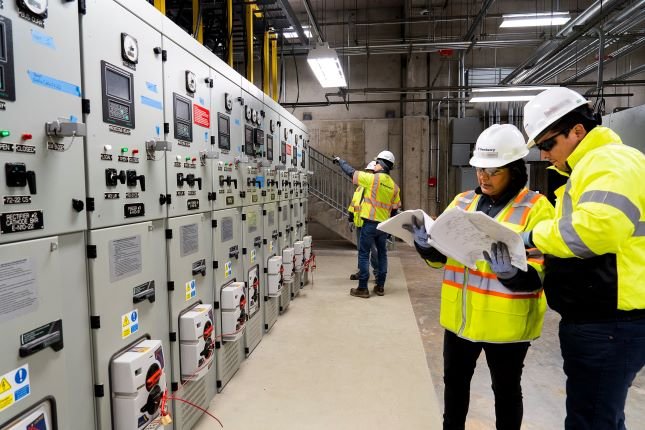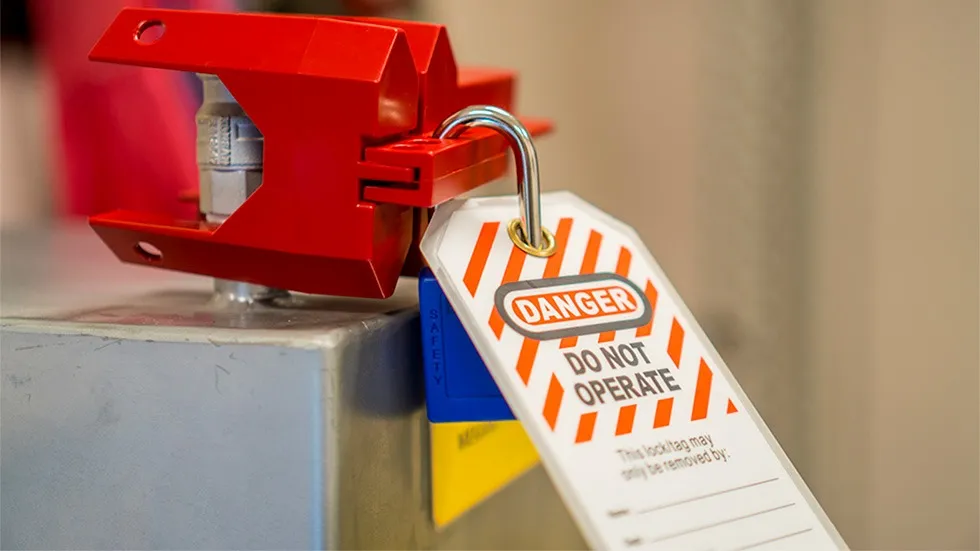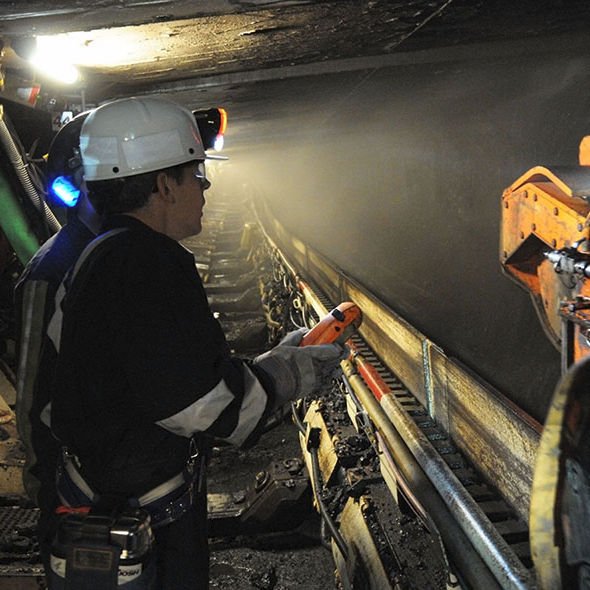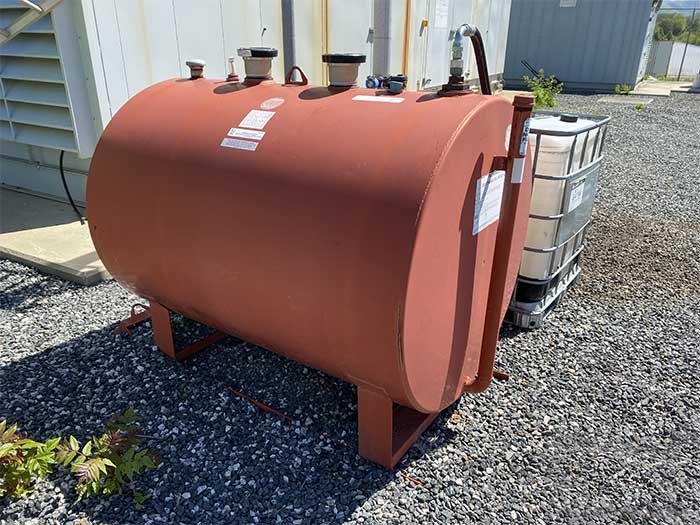
Hazardous energy kills 120 workers and seriously injures 50,000 more annually in North American workplaces, with 80% of fatalities involving equipment thought to be de-energized but retaining stored energy, electrical feeds, or pneumatic pressure that activates during maintenance, crushing, electrocuting, or amputating workers in milliseconds. This guide reveals how to construct lockout/tagout programs that actually control hazardous energy through accurate equipment inventories, machine-specific procedures, and verification systems that catch the degradation affecting 65% of LOTO programs within three years—preventing devastating injuries that cost companies $28 million average settlements while destroying families permanently.
Table of Contents:
- The Problem: Why Lockout/Tagout Programs Fail to Protect Workers
- What to Consider: Energy Control Systems and Verification Requirements
- How to Choose: Program Development and Implementation Strategy
- Renew Safety’s Lockout/Tagout Program Development
- Frequently Asked Questions
The Problem: Why Lockout/Tagout Programs Fail to Protect Workers
The Generic Procedure Disaster
Organizations implement single generic lockout procedures for all equipment, failing to address machine-specific energy sources, disconnection sequences, and verification steps that vary dramatically between equipment types, creating deadly gaps when workers follow inappropriate procedures. OSHA investigations reveal that 73% of lockout fatalities involve generic procedures that missed energy sources, used wrong isolation methods, or lacked verification steps specific to affected equipment.
The complexity of modern industrial equipment defies simplification into universal procedures. A packaging machine contains electrical, pneumatic, hydraulic, and mechanical energy sources requiring different control methods. CNC equipment harbors capacitive charges in drives that discharge unexpectedly. Injection molding machines store hydraulic pressure that releases violently. Steam systems contain thermal energy that flashes when opened. These diverse hazards demand equipment-specific procedures identifying all energy types, isolation points, and dissipation methods rather than generic “shut off and lock” instructions.
Generic procedure inadequacies:
- Missing secondary electrical feeds from control circuits
- Ignoring stored energy in capacitors, springs, or flywheels
- Overlooking gravity-based potential energy
- Failing to address thermal energy dissipation
- Lacking pressure relief sequences for fluids
- Omitting re-energization testing requirements
The proliferation of downloaded templates compounds procedure inadequacy when companies adopt generic forms without modification. These templates use broad language like “isolate all energy sources” without specifying locations or methods. They reference “appropriate PPE” without defining requirements. Verification steps state “test equipment” without detailing procedures. This vagueness leaves workers guessing about critical safety steps, interpreting requirements differently each time. The false security these templates provide proves more dangerous than acknowledged procedure absence.
Production pressure drives workers to develop informal shortcuts around cumbersome generic procedures that don’t match equipment reality. Maintenance teams skip steps that seem unnecessary based on experience. Operators bypass locks during shift changes to maintain production. Contractors work on partially energized equipment to save time. These workarounds become normalized practices that function until unusual conditions or equipment modifications create unexpected energy releases that generic procedures never anticipated.
The Device Inventory Chaos
Lockout device requirements remain unknown in 69% of facilities due to absent or inaccurate equipment inventories that fail to identify all isolation points, energy sources, and required lockout hardware specifications. Without complete device lists, workers improvise with inappropriate locks, use tags where locks are required, or skip isolation entirely when proper devices prove unavailable, creating exposure that results in crushing injuries and electrocutions.
The diversity of isolation devices across industrial facilities exceeds most inventory attempts. Electrical disconnects range from knife switches to draw-out breakers requiring different lockout devices. Valve types include gate, ball, butterfly, and plug configurations with varying lockout requirements. Pneumatic systems use quick-disconnects, manual valves, and automated controls needing distinct devices. Each energy source demands specific hardware that generic lock sets cannot accommodate. This variety requires detailed cataloging that overwhelmed maintenance departments rarely complete.
Device inventory failures:
- Electrical panels lacking breaker lockout capability
- Valves without lockout provisions requiring modifications
- Push buttons needing cover guards for prevention
- Plug lockouts for portable equipment disconnection
- Cable lockouts for large disconnects
- Group lockout boxes for multiple worker protection
The assumption that standard padlocks provide adequate protection ignores dimensional requirements that vary dramatically. Shackle diameter must fit through isolation points—standard locks prove too large for many breakers. Shackle length needs to accommodate multiple locks during group lockout. Body width cannot interfere with adjacent equipment. Keying systems must prevent inadvertent removal. These specifications transform simple lock selection into complex engineering evaluation requiring systematic assessment rather than bulk purchasing.
Degradation and loss of lockout devices creates progressive program failure when replacements prove unavailable during maintenance windows. Locks disappear into toolboxes or vehicles. Tags fade becoming illegible. Hasps bend preventing proper closure. Breaker lockouts crack from UV exposure. Cable locks fray creating weakness. Without systematic inventory management including spare devices, workers face choosing between production delays or unsafe work—a decision that production pressure typically resolves toward risk acceptance.
The Training Knowledge Decay
Lockout/tagout training deteriorates rapidly without reinforcement, with studies showing 60% knowledge loss within six months as workers forget energy source locations, isolation sequences, and verification procedures for equipment they service infrequently. Annual training required by OSHA standards proves insufficient for retention, yet 88% of companies provide only minimum required instruction that fails to maintain competency between sessions.
The complexity of lockout procedures exceeds human memory capacity for occasional use. Workers service dozens of machines with varied energy configurations. Isolation sequences vary by maintenance task. Verification methods differ between equipment types. Emergency release procedures change with modifications. This information volume requires reference materials and regular practice that annual classroom training cannot provide. Workers attempting recall during actual maintenance make errors that prove fatal when energy remains.
Training retention challenges:
- Energy source locations forgotten between uses
- Isolation sequences confused between similar equipment
- Verification steps skipped when uncertain
- Emergency procedures unknown during incidents
- Device applications misunderstood
- Group lockout coordination unclear
Abstract classroom training fails to develop muscle memory required for proper lockout execution. PowerPoint presentations show procedures without hands-on practice. Generic photos replace equipment-specific images. Theoretical discussions lack practical application. Written tests verify memorization not comprehension. This disconnect between training and application guarantees knowledge gaps when workers face actual equipment under production pressure. The absence of practice with actual devices on real equipment transforms training into compliance theater.
New equipment introduction without corresponding training updates creates knowledge voids that prove deadly. Facilities add machinery with different energy types requiring new procedures. Control system upgrades change isolation methods. Automation introduces unexpected energy sources. Modifications alter lockout points. Yet training continues using outdated materials that don’t reflect current equipment. This temporal gap between equipment evolution and training updates ensures workers lack knowledge for safe maintenance on modified systems.
The Verification Absence
Lockout verification steps get skipped in 71% of maintenance activities as workers assume de-energization without testing, relying on lock placement to indicate safety rather than confirming zero energy through proper verification procedures. This assumption-based approach fails catastrophically when isolation devices malfunction, procedures miss energy sources, or human error results in incomplete lockout, leading to unexpected machine activation that kills or maims workers instantly.
The pressure to minimize downtime discourages thorough verification that adds minutes to maintenance tasks. Production managers question delays for testing. Maintenance schedules assume immediate work commencement after lockout. Metrics penalize extended isolation procedures. This time pressure creates environment where verification seems like unnecessary delay rather than essential protection. Workers learn that management values speed over safety despite written policies claiming otherwise.
Verification failure patterns:
- Visual inspection replacing actual testing
- Testing at main disconnects not work points
- Single-point testing missing distributed energy
- Meters not rated for tested voltages
- Pneumatic pressure assumed released without gauges
- Mechanical movement possibility unchecked
Testing equipment inadequacy prevents proper verification even when workers attempt confirmation. Multimeters lack appropriate voltage ratings for industrial circuits. Pressure gauges don’t exist at all isolation points. Motion testing requires equipment activation that seems counterproductive. Thermal energy lacks practical measurement methods. These equipment gaps force workers to assume safety rather than verify it, creating deadly exposure when assumptions prove wrong.
The absence of post-maintenance verification before re-energization creates additional hazards when workers remain in danger zones during startup. Tools left in equipment become projectiles. Incomplete reassembly causes catastrophic failure. Misaligned components create crushing points. Bypassed safety devices allow unexpected operation. These post-maintenance hazards require systematic verification that rushed startups skip, transforming successful maintenance into tragic incidents during re-energization attempts.
The Contractor Coordination Breakdown
Contract workers experience lockout/tagout injury rates three times higher than employees due to unfamiliarity with facility equipment, inconsistent procedures between contractors and facilities, and poor coordination during multi-employer maintenance activities. Multi-employer worksite requirements create shared responsibilities, yet 76% of facilities lack effective contractor lockout programs, treating outside workers as independent entities despite legal obligations for their protection.
Knowledge gaps about facility-specific hazards place contractors at extreme risk. Equipment modifications since previous visits alter energy sources. Undocumented automation adds unexpected hazards. Facility-specific terminology causes procedure misunderstandings. Emergency shutdown locations remain unknown. These information deficits force contractors to work with incomplete hazard knowledge, relying on assumptions that prove fatal when equipment behaves unexpectedly. The transient nature of contract work prevents familiarity that protects regular employees.
Contractor coordination failures:
- No facility-specific lockout training provided
- Procedures not shared with contract workers
- Device compatibility issues between programs
- Group lockout coordination absent
- Emergency response procedures unknown
- Verification responsibilities undefined
Conflicting lockout procedures between contractor and facility programs create confusion about applicable requirements. Contractors follow corporate procedures that differ from facility methods. Color coding systems don’t match between organizations. Terminology varies causing misunderstandings. Authorization levels conflict. These procedural differences force workers to choose between competing requirements, typically defaulting to fastest methods that skip critical steps. The absence of unified procedures guarantees protection gaps.
Group lockout coordination during multi-craft maintenance multiplies complexity when different trades work simultaneously. Electricians isolate power while mechanics address mechanical hazards. Pipefitters control fluids as instrumentation technicians disable controls. Without systematic coordination, each trade assumes others handle certain energy sources. Overlapping work creates unexpected interactions. Communication breakdown leaves energy sources uncontrolled. These coordination failures transform routine maintenance into deadly exposure when multiple contractors work without unified control.
What to Consider: Energy Control Systems and Verification Requirements
Hazardous Energy Source Identification
Thorough hazardous energy identification requires systematic evaluation of all potential energy forms, including electrical, mechanical, hydraulic, pneumatic, chemical, thermal, and gravitational sources that could injure workers during service or maintenance. Energy control standards mandate addressing all energy types, yet facilities commonly focus on obvious electrical hazards while missing stored energy, potential energy, and secondary sources that cause devastating injuries.
Electrical energy extends beyond primary power feeds to include control circuits, backup power systems, capacitive storage, and induced currents that energize supposedly dead circuits. Control transformers provide power independent of main disconnects. Uninterruptible power supplies activate automatically. Variable frequency drives store dangerous charges. Parallel conductors induce voltages in de-energized circuits. These secondary electrical sources require separate identification and control beyond main disconnect lockout. The complexity of modern control systems multiplies electrical sources that lockout procedures must address.
Energy source categories requiring control:
- Electrical: Primary, control, backup, stored, induced
- Mechanical: Rotating, reciprocating, stored springs
- Hydraulic: Pressurized fluids, accumulators, head pressure
- Pneumatic: Compressed air, gases, vacuum systems
- Chemical: Reactions, pressure generation, toxicity
- Thermal: Steam, heated fluids, cryogenics
- Gravity: Raised parts, suspended loads
Stored energy represents particular hazards that persist after primary energy isolation. Mechanical springs retain force that releases violently. Hydraulic accumulators maintain pressure despite pump shutdown. Pneumatic receivers store compressed air. Capacitors hold electrical charges. Flywheels continue rotating. These stored energy sources require specific dissipation procedures beyond simple isolation. Workers assuming stored energy dissipates automatically face sudden releases that crush, cut, or electrocute without warning.
Potential energy from gravity affects numerous industrial operations yet receives minimal attention in lockout procedures. Raised machine components drop when supports are removed. Suspended loads fall if restraints fail. Counterweights descend when released. Material in hoppers flows when gates open. Stacked products topple when disturbed. These gravitational hazards require blocking, bracing, or lowering before maintenance begins. The absence of gravity consideration in lockout procedures creates crushing and impact hazards that mechanical isolation cannot prevent.
Machine-Specific Procedure Development
Equipment-specific lockout procedures must detail exact energy sources, isolation device locations, lockout methods, stored energy dissipation, and verification steps rather than referencing generic instructions that leave critical decisions to worker interpretation. Procedure requirements specify sufficient detail for unfamiliar qualified persons to safely lockout equipment, demanding thorough documentation that 67% of facilities lack.
Procedure development begins with equipment assessment documenting all energy sources through manufacturer specifications, electrical drawings, and field verification. Single-line diagrams identify electrical feeds including control power. Hydraulic schematics show pump locations and accumulator positions. Pneumatic drawings indicate compressor connections and receiver locations. Mechanical drawings reveal spring-loaded mechanisms and counterweights. This documentation phase often reveals energy sources that experienced operators never recognized, explaining unexpected energizations that injure workers following informal procedures.
Machine-specific procedure elements:
- Equipment identification with specific location
- Intended procedure scope and limitations
- Energy source types, magnitudes, and hazards
- Isolation device locations with photos
- Lockout device requirements and specifications
- Step-by-step shutdown and isolation sequence
- Stored energy dissipation methods
- Verification testing procedures and points
- Re-energization sequence with safety checks
Shutdown sequences critically affect safety when improper order creates hazards or equipment damage. Hydraulic systems require pump shutdown before valve closure to prevent pressure intensification. Electrical disconnection needs specific breaker opening order to prevent arc flash. Pneumatic systems demand gradual pressure release avoiding rapid discharge. Chemical processes require neutralization before isolation. These sequence requirements vary by equipment type, operating parameters, and maintenance tasks. Generic procedures stating “shut down equipment” provide no guidance for safe sequencing.
Verification procedures must specify exact testing points, methods, and expected results rather than stating “verify zero energy.” Electrical verification requires voltage testing at specific terminals using appropriately rated meters. Mechanical testing needs attempt to start equipment through normal controls. Hydraulic verification demands pressure gauge readings at work locations. Pneumatic testing requires bleeding residual pressure. Without explicit verification instructions, workers make assumptions about testing adequacy that miss residual energy.
Lockout Device Specifications
Lockout device selection requires matching hardware capabilities to specific isolation requirements considering physical dimensions, environmental conditions, and usage factors that affect security and reliability. Device standards mandate substantial construction preventing removal without excessive force, yet many facilities use consumer-grade hardware that fails under industrial conditions.
Padlock specifications dramatically affect program effectiveness when inappropriate selection allows bypassing or failure. Shackle diameter must fit isolation points while resisting cutting—minimum 3/8-inch hardened steel or equivalent. Shackle clearance needs to accommodate multiple locks during group lockout without interference. Body materials must withstand environmental conditions including temperature extremes, chemicals, and UV exposure. Cylinder mechanisms require resistance to contamination that causes binding. These specifications eliminate hardware store locks that appear adequate but fail under industrial use.
Lockout device categories and applications:
- Padlocks: Individual locks with distinct keys
- Hasps: Multiple lock accommodation for group lockout
- Circuit breaker lockouts: Panel-specific types
- Valve lockouts: Gate, ball, butterfly configurations
- Plug lockouts: Electrical cord control
- Cable lockouts: Large or irregular equipment
- Lockout stations: Centralized device storage
- Tag supplies: Durable materials with clear warnings
Color coding and identification systems prevent confusion when multiple departments use different devices. Maintenance uses red locks while operations uses blue. Contractors receive yellow locks for easy identification. Locks for confined spaces or critical equipment use distinct colors. Engraving or labeling identifies individual owners. Photo identification prevents lock removal disputes. These identification methods transform anonymous locks into accountable safety devices that protect specific workers.
Environmental resistance requirements often exceed standard lock capabilities in industrial settings. Chemical exposure degrades plastic components. Temperature extremes cause mechanism binding. Moisture creates corrosion. Dust contaminates cylinders. Vibration loosens components. Without appropriate material selection and protective features, locks fail when needed most. Marine-grade materials, sealed mechanisms, and protective covers extend device life while maintaining reliability that safety depends upon.
Group Lockout Coordination
Group lockout procedures managing multiple workers, crafts, and shifts require systematic coordination preventing premature energy restoration while any worker remains exposed, yet 62% of facilities lack formal group lockout programs despite most maintenance involving multiple personnel. Group lockout requirements specify authorized employee responsibilities and lock transfer procedures that informal coordination cannot achieve.
Primary authorized employee designation establishes single accountability for equipment isolation, verification, and restoration rather than distributed responsibility that creates gaps. This individual performs initial lockout, verifies zero energy, and controls work authorization. Secondary workers attach personal locks to group lockout devices rather than equipment. The primary employee maintains awareness of all workers and work status. Only after confirming all personnel are clear does the primary employee remove the initial lock enabling re-energization. This structured approach prevents premature restoration that kills workers.
Group lockout mechanisms:
- Lockout boxes: Isolation keys secured by multiple locks
- Hasps: Direct equipment attachment for small groups
- Tag systems: Supplementing locks with worker identification
- Permit integration: Coordinating with work authorization
- Shift transfer: Procedures for extended work
- Contractor coordination: Including outside workers
Shift change procedures during extended maintenance create vulnerability when incoming workers don’t understand isolation status or departing workers remove locks prematurely. Formal lock transfer procedures document equipment status, work stage, and remaining hazards. Incoming workers verify isolation before accepting responsibility. Departing workers confirm replacement locks before removal. Written logs track lock ownership across shifts. These procedures prevent protection gaps during transition periods when miscommunication proves fatal.
Complex maintenance involving multiple crafts requires coordination beyond individual lockout procedures. Mechanical work may require electrical isolation. Piping modifications need multiple energy controls. Instrumentation changes affect control systems. Without systematic coordination, each craft assumes others handle certain isolations. Overlapping work creates unexpected interactions. Sequential tasks require staged lockout. These complexities demand formal coordination procedures that simple individual lockout cannot address.
Periodic Inspection Requirements
Annual lockout/tagout procedure inspections mandated by regulations reveal deficiencies in 74% of programs including missing energy sources, incorrect procedures, and inadequate training that drift from initial implementation. Inspection requirements specify authorized employees other than those using procedures must conduct inspections, ensuring objective evaluation that self-assessment cannot provide.
Inspection scope extends beyond document review to include observation of actual lockout implementation, identifying gaps between written procedures and field practices. Inspectors observe energy isolation sequences comparing actions to documented steps. Verification methods receive evaluation for adequacy. Device applications get assessed for appropriateness. Worker knowledge undergoes testing through questioning. This field observation reveals normalized deviations that document reviews miss, providing correction opportunities before incidents occur.
Periodic inspection components:
- Procedure accuracy for current equipment
- Energy source identification completeness
- Isolation method appropriateness
- Verification step adequacy
- Worker procedure knowledge
- Device availability and condition
- Training documentation current
- Corrective action tracking
Equipment modifications require immediate procedure updates rather than waiting for annual inspections, yet change management rarely triggers lockout review. New energy sources from automation upgrades need identification. Modified control systems alter isolation methods. Component replacements change lockout points. Process modifications affect shutdown sequences. Without systematic update triggers, procedures become progressively inaccurate until workers cannot follow them safely, forcing improvisation that creates exposure.
Inspector qualification affects inspection quality when unqualified personnel perform cursory reviews that miss critical deficiencies. Inspectors need thorough lockout knowledge exceeding those being evaluated. Understanding of equipment operation enables energy source recognition. Familiarity with procedures allows deviation identification. Training in inspection techniques ensures systematic evaluation. Without qualified inspectors, periodic inspections become administrative exercises that fail to improve safety.
How to Choose: Program Development and Implementation Strategy
Equipment Survey
Developing effective lockout/tagout programs requires systematic equipment identification, energy source mapping, and isolation point documentation that captures every machine requiring servicing where unexpected energization could harm workers. Machine guarding standards define servicing and maintenance broadly, including adjustments, inspections, modifications, and cleaning that 58% of facilities fail to recognize as requiring lockout protection.
Equipment inventory development begins with facility walk-throughs identifying all powered equipment regardless of size or frequency of service. Production machinery represents obvious hazards, but programs often miss auxiliary equipment. Ventilation fans require bearing maintenance. Conveyor systems need belt adjustments. Pumps demand seal replacements. Compressed air systems require filter changes. Building systems need component service. Each piece of equipment with potential for unexpected startup requires documented procedures regardless of perceived risk level.
Equipment survey data requirements:
- Equipment identification numbers and locations
- Energy source types and magnitudes
- Normal operating parameters and controls
- Maintenance tasks performed and frequencies
- Isolation points with disconnecting means
- Required lockout devices and quantities
- Special tools or PPE requirements
- Relevant drawings and manuals
Energy source mapping reveals hidden hazards that visual inspection misses. Electrical sources include multiple feeds that single-line diagrams identify. Mechanical hazards encompass springs and counterweights shown in assembly drawings. Hydraulic energy hides in accumulators indicated on schematics. Pneumatic pressure remains in receivers and lines. Thermal energy persists in process equipment. Chemical energy continues reactions. This systematic energy identification prevents procedures that miss hazards causing injuries.
Digital documentation systems improve accessibility and maintenance compared to paper procedures that deteriorate or disappear. Cloud-based databases allow field access via tablets. Photo integration shows exact isolation points. Version control tracks procedure updates. Change notifications alert affected workers. Search functions locate specific equipment quickly. These technological advantages overcome traditional procedure binders that remain in offices while work occurs throughout facilities.
Procedure Standardization Strategy
Balancing standardization for consistency with equipment-specific requirements challenges program developers who must create usable procedures without sacrificing necessary detail for safety. Standard formats aid recognition and training while machine-specific content ensures adequate protection, requiring systematic approach that 71% of organizations struggle to achieve effectively.
Template development establishes consistent structure while allowing specific content variation. Headers identify equipment and scope uniformly. Energy source sections follow standard categorization. Isolation steps use consistent terminology. Verification procedures maintain standard format. This structural consistency reduces training requirements while accommodating equipment differences. Workers learn where to find information regardless of specific machine, improving compliance through familiarity.
Standardization elements versus specific content:
- Standard: Format, terminology, sequence structure
- Specific: Energy sources, isolation points, devices
- Standard: Verification methodology approach
- Specific: Test points, expected readings
- Standard: Documentation requirements
- Specific: Equipment-specific hazards and steps
Complexity levels recognize that not all equipment requires identical procedure detail. Simple single-energy equipment needs basic procedures. Complex multi-energy machines demand thorough documentation. Critical equipment with severe hazards requires detailed procedures. This tiered approach prevents over-documentation that obscures important information while ensuring adequate detail where needed. Resources focus on highest-risk equipment rather than treating all machines identically.
Writing style significantly affects procedure usability when complex technical language discourages reading. Active voice clarifies responsibilities. Short sentences improve comprehension. Numbered steps ensure sequence. Photos supplement text descriptions. Warnings highlight critical safety points. This clear communication style transforms procedures from compliance documents into practical tools that workers actually reference during maintenance activities.
Training Program Architecture
Effective lockout/tagout training requires role-specific content addressing different responsibilities for authorized employees, affected employees, and other employees whose duties bring them near lockout operations. Training requirements specify different knowledge levels, yet many programs provide identical training that either overwhelms non-maintenance workers or under-prepares those performing lockout.
Authorized employee training develops thorough competencies for workers who perform lockout/tagout. Energy recognition skills identify all hazard types. Procedure application knowledge ensures proper implementation. Device usage training covers all hardware types. Verification techniques confirm zero energy. Group lockout coordination manages multiple workers. Emergency response procedures address malfunctions. This extensive training requires 8-16 hours initially with annual refreshers addressing observed deficiencies and program changes.
Training tiers by role:
- Authorized employees: 16 hours initial, 4 hours annual
- Affected employees: 4 hours initial, 1 hour annual
- Other employees: 1 hour awareness training
- Contractors: Site-specific orientation plus verification
- Supervisors: 8 hours including program management
- New equipment: Task-specific before operation
Affected employee training ensures machine operators understand lockout purpose and procedures without performing isolation. Recognition of lockout devices prevents tampering. Understanding of procedures explains maintenance delays. Prohibition awareness prevents unauthorized removal. Communication requirements ensure notification. This targeted training provides necessary knowledge without unnecessary detail that confuses rather than clarifies responsibilities.
Hands-on training with actual equipment and devices develops practical skills that classroom instruction cannot provide. Practice installations build muscle memory. Device operation becomes familiar. Verification techniques get refined. Group coordination improves. Emergency scenarios test responses. This experiential learning transforms theoretical knowledge into applicable skills. Training on actual equipment eliminates uncertainty when performing real maintenance under pressure.
Device Management System
Systematic lockout device management ensures appropriate hardware remains available, functional, and properly assigned to prevent work delays that encourage procedural shortcuts. Device inventories, assignment protocols, and replacement systems that 64% of facilities lack create situations where workers cannot perform proper lockout despite best intentions.
Device standardization simplifies inventory management while ensuring compatibility across applications. Standard lock dimensions fit all isolation points. Uniform keying systems prevent confusion. Consistent colors indicate departments. Common materials withstand conditions. This standardization reduces inventory requirements while ensuring any device works anywhere. Bulk purchasing reduces costs. Replacement devices match existing hardware. Training addresses single device type rather than multiple variations.
Device management system components:
- Master inventory by type and quantity
- Assignment logs tracking individual devices
- Inspection schedules for condition assessment
- Replacement triggers based on wear
- Storage locations throughout facility
- Emergency spare supplies available
- Procurement procedures for timely replacement
Individual device assignment creates ownership and accountability that shared devices lack. Personal locks with distinct keys prevent unauthorized removal. Engraved identification eliminates disputes. Assigned devices receive better care. Lost locks get reported immediately. This individual responsibility improves device availability while reducing losses that plague communal supplies.
Storage and accessibility balance security against availability when devices need protection from loss while remaining readily available. Lockout stations at equipment provide immediate access. Department supplies serve routine needs. Central stores maintain replacement inventory. Mobile carts support maintenance crews. Strategic positioning eliminates retrieval delays that discourage proper lockout. Secured storage prevents disappearance while open access ensures availability.
Program Integration Methods
Lockout/tagout programs must integrate with existing safety systems including permit-to-work, confined space entry, hot work authorization, and contractor management rather than operating as isolated procedures. Safety management systems recognize interconnections between programs, yet 69% of facilities maintain separate systems that create gaps and conflicts.
Permit system integration ensures lockout verification before authorizing work that depends on zero energy conditions. Hot work permits require lockout confirmation before welding near flammables. Confined space permits demand energy isolation before entry. Electrical work permits need lockout verification. Line breaking permits require pressure isolation. This integration prevents permit approval without proper energy control, closing gaps that separate systems create.
Integration touchpoints between programs:
- Permit systems requiring lockout verification
- Maintenance planning incorporating lockout time
- Shift handover including lock status
- Contractor orientation covering lockout requirements
- Incident investigation examining lockout factors
- Management of change triggering procedure updates
Computerized maintenance management system (CMMS) integration automates lockout requirements for scheduled maintenance. Work orders include applicable procedures. Required devices get reserved. Qualified workers receive assignment. Completion requires lockout documentation. This automation ensures lockout planning rather than last-minute recognition that delays work. Historical records track compliance. Analysis identifies problem areas requiring attention.
Contractor management programs must address lockout requirements beyond basic safety orientation. Contractor procedures receive review for compatibility. Training verification ensures competency. Device requirements get communicated. Group lockout coordination receives planning. Audit programs include contractor observation. This full integration prevents contractors from becoming program weak points that host employer liability extends through.
Renew Safety’s Lockout/Tagout Program Development
Equipment Analysis and Procedure Creation
Renew Safety begins lockout/tagout program development with exhaustive equipment analysis that identifies every energy source, maps isolation points, and documents machine-specific requirements that generic procedures miss. The company’s specialists understand that incomplete energy identification causes most lockout failures, providing systematic evaluation that discovers hidden hazards overlooked by standard assessments.
The analysis process examines equipment from multiple perspectives ensuring thorough energy identification. Electrical drawings reveal primary and control power sources. Mechanical diagrams show spring-loaded mechanisms and counterweights. Hydraulic schematics identify accumulators and pressure points. Pneumatic drawings indicate receivers and distribution. Field verification confirms documentation accuracy while discovering undocumented modifications. This multi-faceted approach reveals energy sources that single-method reviews miss.
Procedure development translates analysis findings into clear, actionable instructions that workers can follow under pressure. Each procedure is developed to reflect actual equipment configuration rather than generic templates. Photos show exact isolation points eliminating confusion. Step sequences reflect optimal safety and efficiency. Verification methods specify test points and expected results. Language remains clear and direct avoiding technical jargon. These user-focused procedures transform complex requirements into practical tools.
Device Specification and Procurement
Renew Safety assists organizations in selecting appropriate lockout devices based on thorough isolation point assessment rather than generic hardware that proves inadequate during use. The company’s procurement expertise ensures facilities obtain correct devices initially, avoiding work delays and safety compromises from inappropriate equipment.
Device specification begins with detailed isolation point cataloging, including dimensions, types, and environmental conditions. Electrical panels require breaker-specific lockouts matching manufacturer models. Valves need lockouts accommodating handle types and sizes. Plugs demand covers preventing reconnection. Each isolation point receives individual assessment ensuring proper device selection. This detailed specification prevents bulk purchasing of inappropriate devices that cannot secure equipment effectively.
Procurement support extends beyond specification to include vendor selection, price negotiation, and quality verification. Established supplier relationships provide competitive pricing. Volume aggregation across clients reduces costs. Quality requirements ensure industrial-grade construction. Warranty terms protect against premature failure. Delivery coordination prevents implementation delays. This procurement service delivers appropriate devices cost-effectively while avoiding inferior hardware that compromises safety.
Training Program Development and Delivery
Renew Safety’s lockout/tagout training programs combine regulatory compliance with practical skill development, using experienced instructors who understand both technical requirements and maintenance realities. The company’s training philosophy emphasizes competency verification through hands-on demonstration rather than simple knowledge testing.
Content reflects actual facility equipment and procedures rather than generic examples. Training uses photos from equipment surveys showing actual isolation points. Procedures practiced match those workers will implement. Devices used during training are identical to assigned hardware. Scenarios reflect typical maintenance tasks and challenges. This relevance maintains engagement while developing immediately applicable skills that generic training cannot achieve.
Hands-on exercises using training boards and actual equipment develop muscle memory essential for proper execution. Participants practice complete lockout sequences repeatedly. Verification techniques get refined through repetition. Group lockout coordination receives practical exercise. Emergency scenarios test decision-making. Device operation becomes automatic. These practical skills transform classroom knowledge into field capability that protects workers during actual maintenance.
Implementation Support and Auditing
Renew Safety provides implementation support ensuring lockout/tagout programs achieve sustainable adoption rather than initial compliance followed by degradation. The company’s implementation specialists understand organizational change challenges, providing guidance that overcomes resistance while building safety culture.
Phased implementation allows organizations to achieve incremental success building momentum toward full compliance. Critical equipment receives priority for procedure development and training. High-risk areas implement additional verification requirements. Pilot departments demonstrate program benefits. Success stories build organizational support. This staged approach prevents overwhelming organizations while addressing highest risks first.
Regular audits identify program gaps before incidents occur, providing correction opportunities that maintain effectiveness. Field observations compare actual practices to procedures. Worker interviews assess knowledge retention. Device inspections verify condition and availability. Documentation reviews ensure currency. Trend analysis identifies systemic issues. These proactive assessments prevent program degradation that develops without systematic monitoring.
Continuous Improvement Programs
Renew Safety’s continuous improvement approach ensures lockout/tagout programs evolve with equipment changes, regulatory updates, and operational lessons rather than becoming static documents that lose relevance. The company’s improvement methodology incorporates multiple feedback sources into systematic improvements.
Equipment modification tracking ensures procedures reflect current configurations rather than original installations. Change management processes trigger procedure review. Modification assessments identify new energy sources. Updated procedures receive immediate distribution. Training addresses changes before implementation. This systematic update process maintains procedure accuracy despite constant equipment evolution that invalidates static documentation.
Incident analysis from internal events and industry experience drives program improvements preventing incident repetition. Root cause analysis identifies systemic deficiencies. Corrective actions address underlying issues. Industry alerts highlight emerging hazards. Best practices get incorporated systematically. This learning culture transforms incidents into improvement opportunities rather than blame exercises that discourage reporting.
Technology integration improves program efficiency through digital procedures, electronic permits, and automated tracking. Tablet access provides field procedure availability. QR codes link equipment to procedures. Electronic permits streamline authorization. Compliance tracking identifies trends. These technological improvements increase usability while providing data for continuous improvement that paper systems cannot achieve.
Frequently Asked Questions
Lockout involves placing physical locks on energy isolation devices to prevent operation, while tagout uses warning tags without physical restraints. Lockout is required whenever feasible, and tagout alone is only permitted when lockout is physically impossible and additional protection measures are implemented. OSHA standards clearly prefer lockout since tags provide warning but no physical protection, allowing easy removal or ignoring that leads to 23% of tagout-only incidents versus 5% for lockout-protected work, making lockout mandatory unless equipment structure physically prevents lock attachment.
Machine-specific procedures must provide sufficient detail for a qualified person unfamiliar with the equipment to safely perform lockout, including specific energy source locations, isolation device positions with photos, required lockout devices, step-by-step shutdown sequences, stored energy release methods, and detailed verification procedures with test points and expected readings. Generic procedures stating “disconnect power” or “verify zero energy” fail regulatory requirements and worker protection needs, with proper procedures typically requiring 2-4 pages per machine including diagrams and photos that ensure consistent safe isolation regardless of who performs the work.
Individual locks must only be removed by the person who applied them except through formal procedures requiring verification that the worker is absent from facility, confirmation that removing the lock won’t endanger anyone, attempts to contact the worker, and notification before they return to work, with documentation of who authorized removal and why. Emergency production needs never justify informal lock removal that causes numerous fatalities annually when workers return to find equipment they locked out now operating, making strict removal procedures with multiple verifications and notifications essential for preventing these tragic misunderstandings.
Lockout/tagout procedures require immediate updating whenever equipment modifications affect energy sources or isolation methods, with complete review during annual inspections even without changes, though studies indicate 65% of procedures become inaccurate within two years due to undocumented modifications. Triggers for immediate updates include new equipment installation, control system upgrades, energy source additions, process modifications affecting shutdown sequences, and incidents revealing procedure inadequacies, with change management systems essential for maintaining accuracy since outdated procedures force workers into dangerous improvisation.
Complete lockout/tagout program implementation typically requires $40,000-$150,000 initial investment including equipment assessment and procedure development ($15,000-$40,000), device procurement and installation ($10,000-$30,000), training program delivery ($15,000-$35,000), and ongoing annual costs of $10,000-$25,000 for inspections, updates, and refresher training. While substantial, these investments prevent average injury costs of $150,000 per incident, OSHA fines reaching $156,259 per violation, and catastrophic settlements averaging $28 million for lockout fatalities, making proper programs highly cost-effective insurance against preventable injuries that occur every 7 minutes in American workplaces.