Data Center Safety
Protecting workers and assets during construction, commissioning, and operational phases of mission-critical data facilities.
23+ Years in Safety
Experience across wind, solar, BESS, data centers, heavy civil, utilities, and industrial projects.
Aligned with OSHA / NFPA / EM 385 / ISO
Work built to OSHA 1910/1926, NFPA 70E, EM 385-1-1, and ISO 14001/45001/9001 frameworks.
Nationwide Coverage
United States projects with mobilization to Canada (Ontario, Alberta, Saskatchewan), Puerto Rico, and Mexico.
for Construction & Operations
Safety management for high-risk electrical, mechanical, and confined space hazards in data center environments. Data Center Safety programs ensure OSHA 1910/1926 and NFPA 70E compliance, emphasizing lockout/tagout, energized work permits, and emergency readiness. Oversight includes hazard assessments and monitoring critical activities. These measures reduce incidents and maintain uninterrupted operations.
This program exists to prevent electrical shock, arc flash incidents, and mechanical injuries while maintaining operational uptime and audit readiness.
Industry-Specific Training
Training programs for hazards in different industries, covering safety protocols, risk control, and regulatory compliance for each work environment.
01
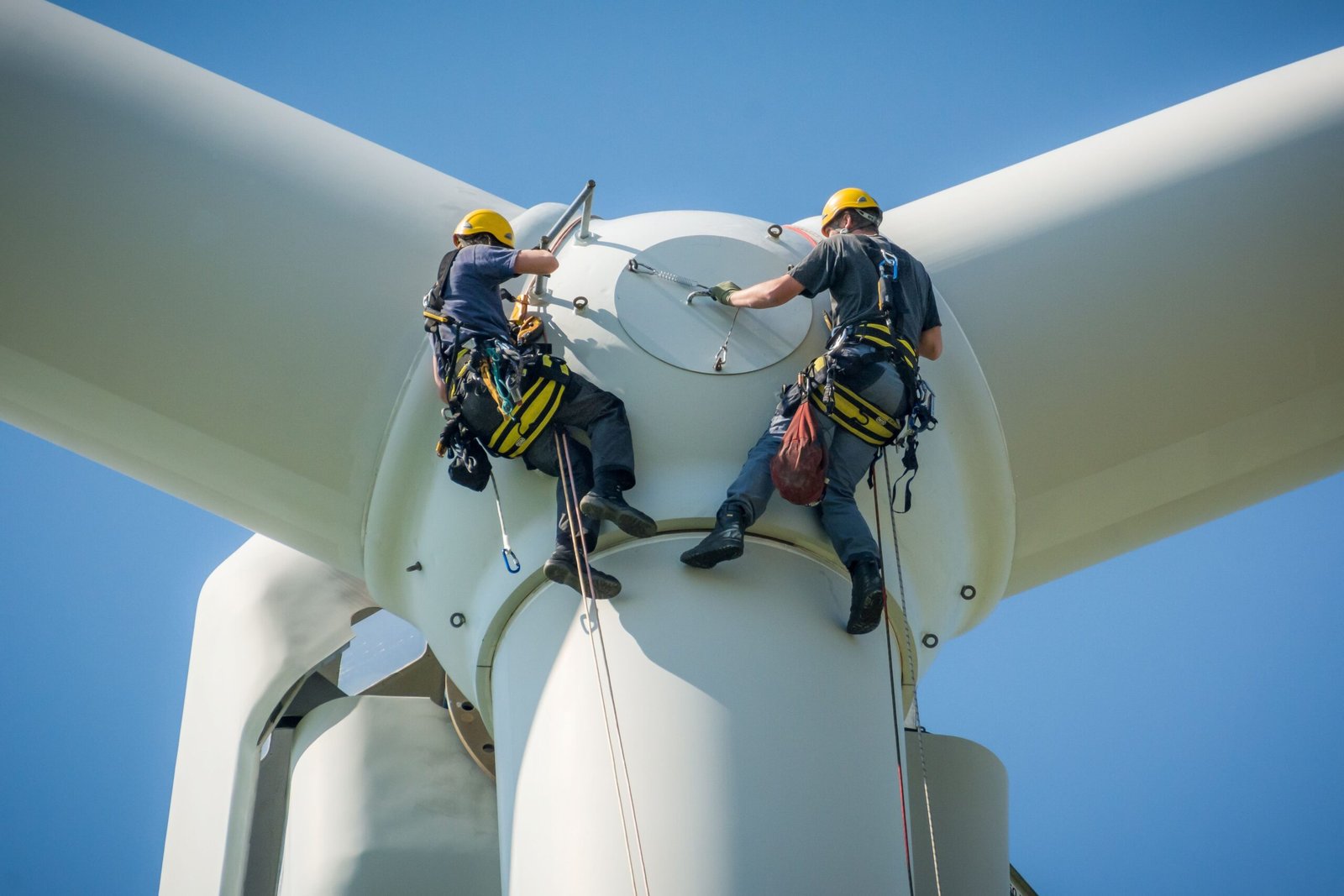
Covers turbine operation hazards, fall protection, electrical safety, and proper work practices for wind sites.
02
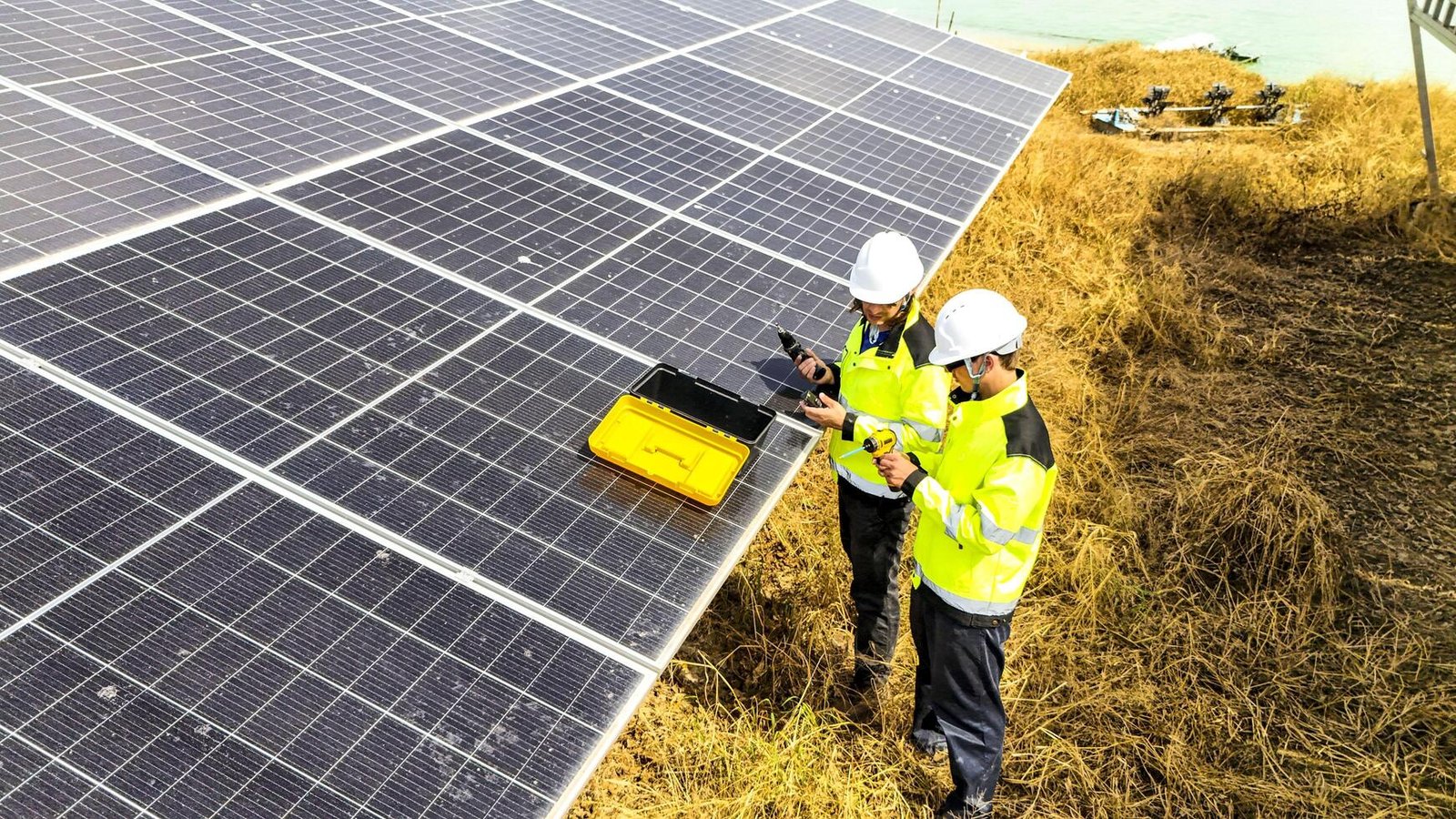
Focuses on rooftop and ground solar installations, electrical hazards, and safe work practices for crews.
03
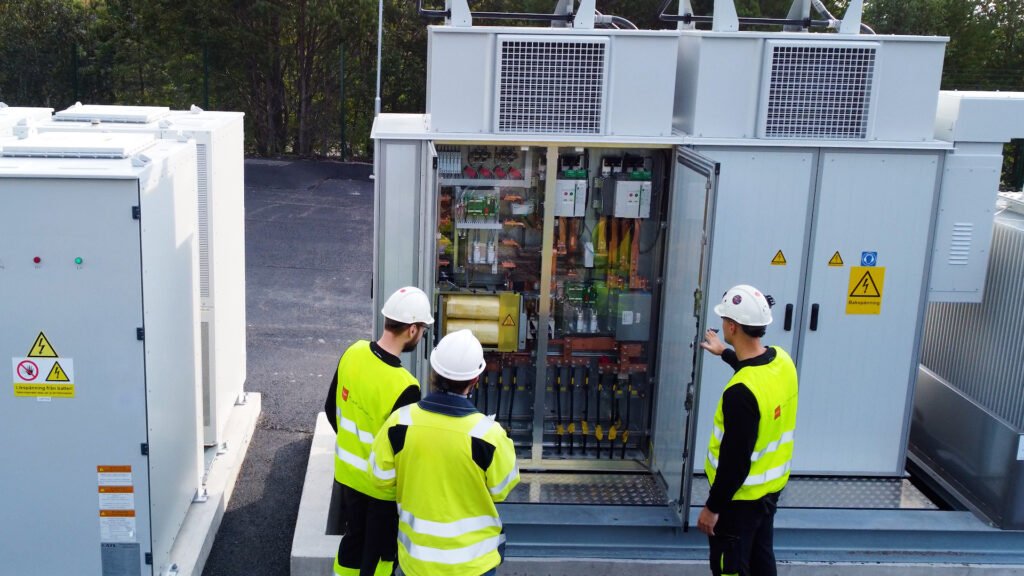
Training on handling, installation, and maintenance of battery storage systems and hazards.
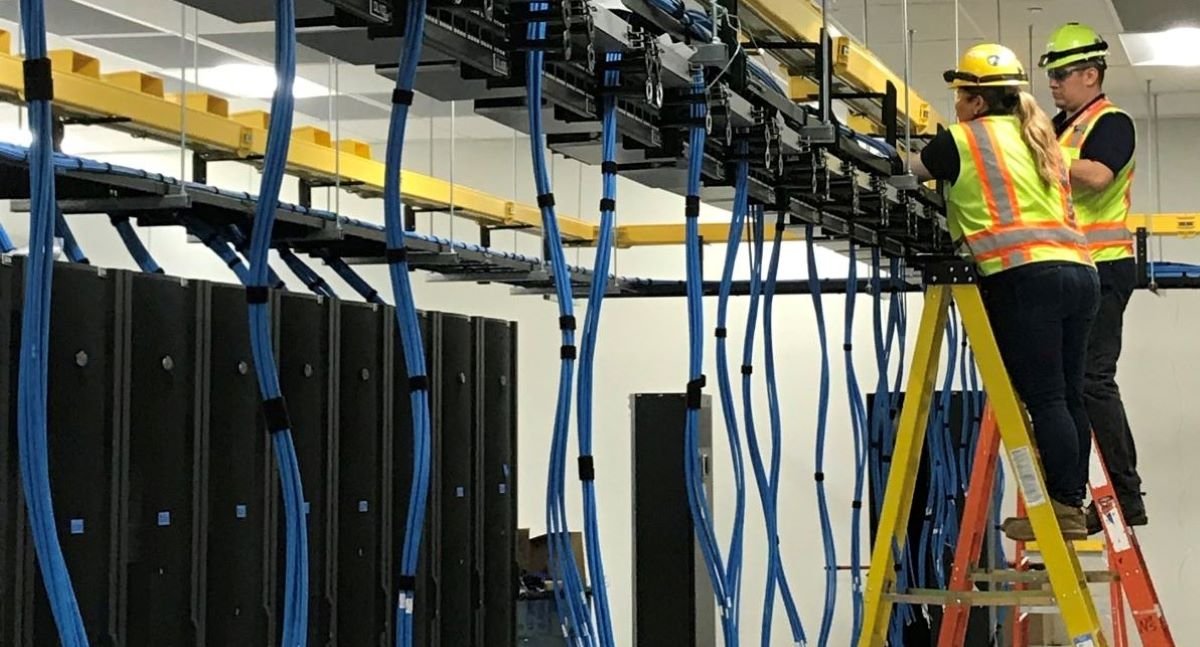
04
Covers electrical hazards, ergonomics, and safe work procedures in high-voltage data center environments.
The Risks of Running Data Centers Without Safety Oversight
Data center projects involve complex systems and heavy equipment. Without oversight, risks of shock and downtime increase.
What Goes Wrong Without Oversight
Data Center Safety
Fill out the form below, and our team will respond promptly with complete training details and next-step guidance.
for Mission-Critical Construction & Operations
We provide experienced professionals who understand data center safety requirements, from construction through live commissioning.
Partner with Renew Safety
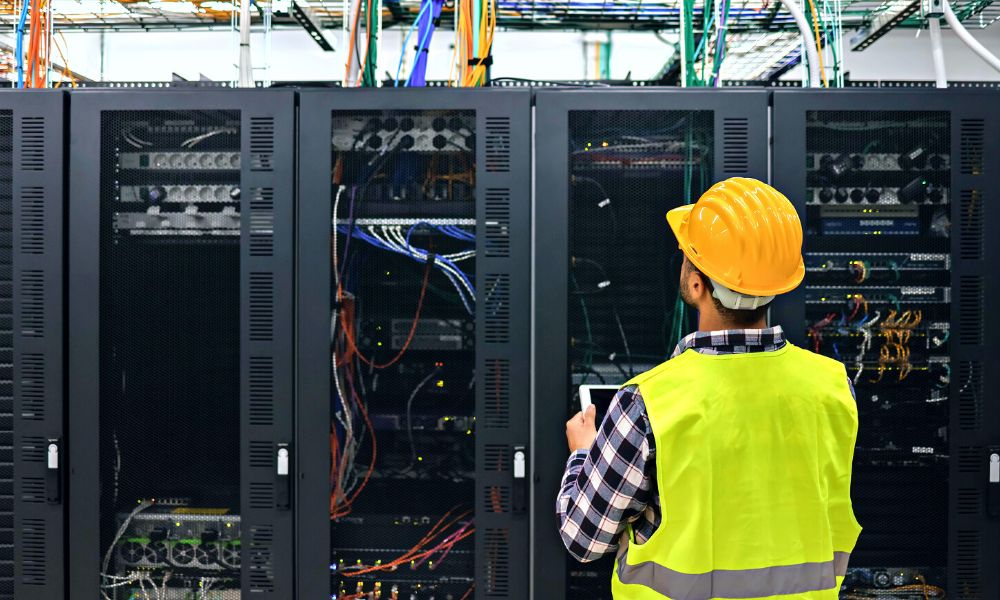
Get answers to common questions about Data Center Safety.
OSHA 1910/1926 and NFPA 70E apply for electrical work, with EM 385 and ISO 45001 guiding general site safety and compliance.
LOTO prevents accidental energization during maintenance or installation, protecting both workers and equipment.
Training should be conducted initially and refreshed every three years or when system changes occur.
Yes. All subcontractors must meet the same OSHA and NFPA safety requirements as owner personnel.
Yes. Field audits can be completed without disruption using coordinated scheduling with operations teams.