Confined Space Entry
Safety training and oversight for permit-required and non-permit confined spaces in alignment with OSHA 1910.146 and 1926 Subpart AA.
23+ Years in Safety
Experience across wind, solar, BESS, data centers, heavy civil, utilities, and industrial projects.
Aligned with OSHA / NFPA / EM 385 / ISO
Work built to OSHA 1910/1926, NFPA 70E, EM 385-1-1, and ISO 14001/45001/9001 frameworks.
Nationwide Coverage
United States projects with mobilization to Canada (Ontario, Alberta, Saskatchewan), Puerto Rico, and Mexico.
Entry, Monitoring & Rescue Preparedness
This course provides workers and supervisors with in-depth training on recognizing confined space hazards, conducting atmospheric testing, implementing entry permits, and maintaining continuous communication. Participants learn how to safely enter, monitor, and manage confined spaces while ensuring compliance with OSHA and industry safety standards.
Participants learn to identify hazards, issue permits, monitor air, and maintain communication and rescue plans in accordance with OSHA requirements.
Confined Space
This course teaches supervisors and employees how to manage confined space entries, assess hazards, and maintain OSHA compliance for safe operations.

01
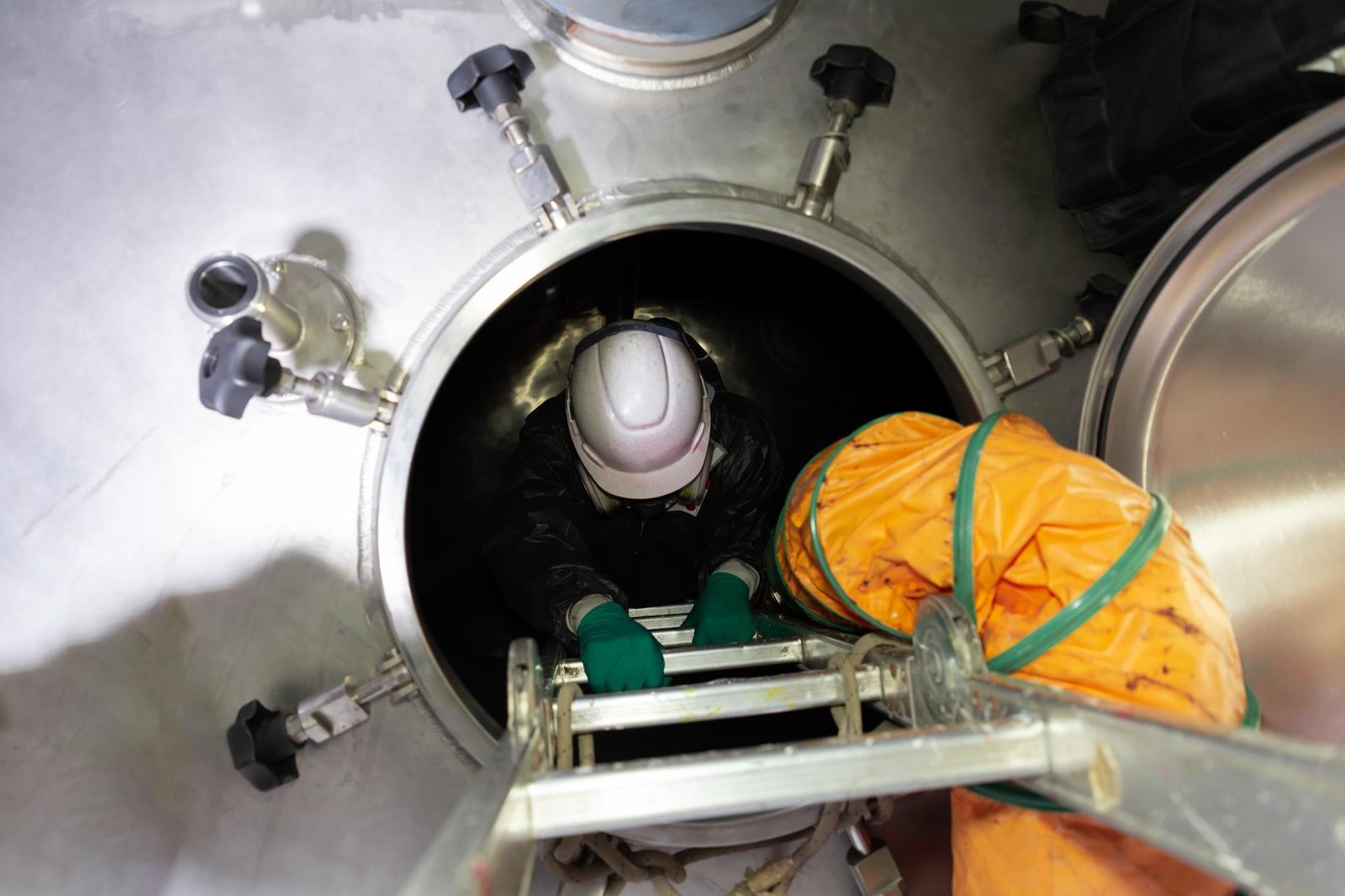
Training on hazard recognition, air monitoring, and safe entry procedures for confined spaces.
02
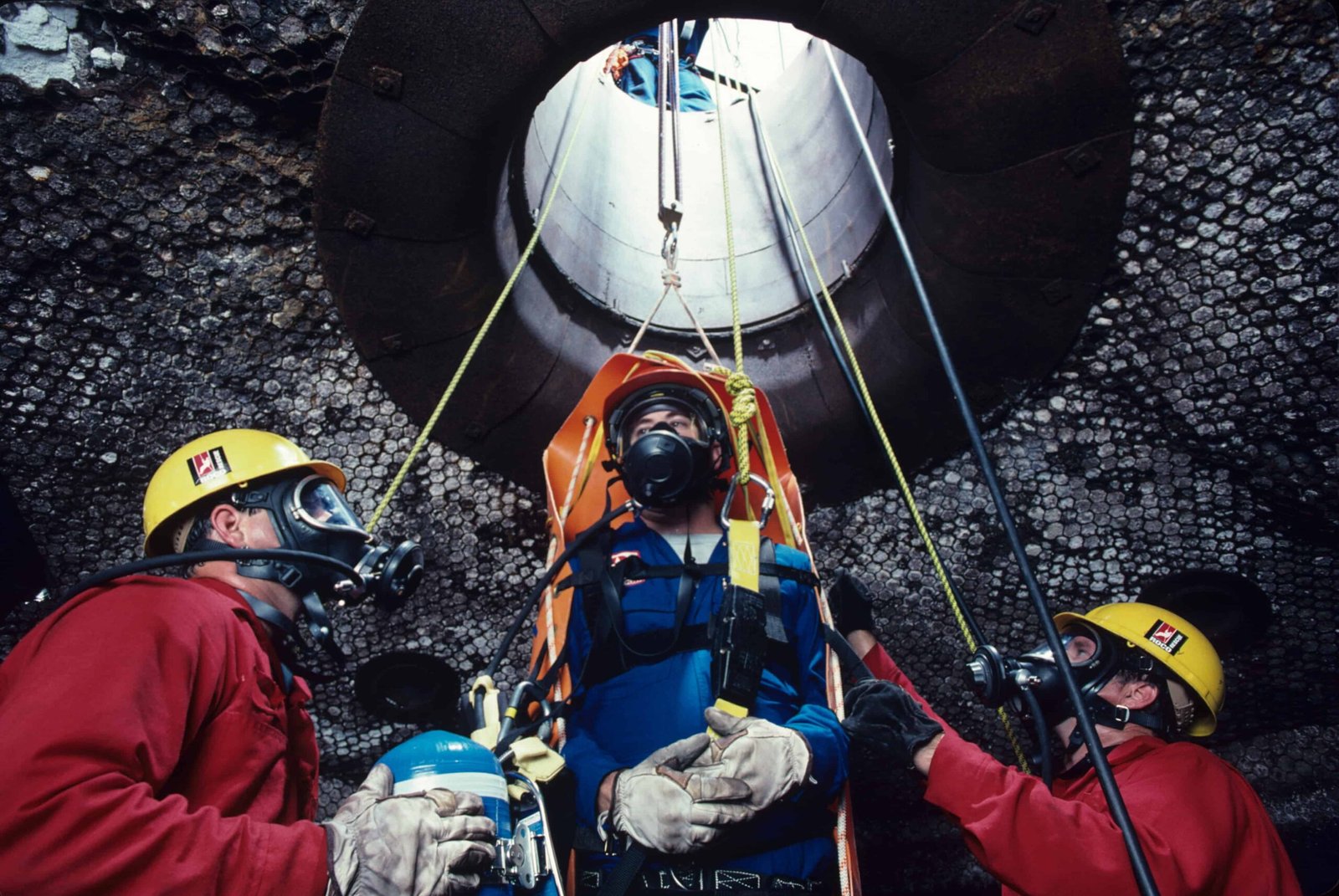
Instruction on rescue planning, retrieval systems, and emergency response coordination.

03
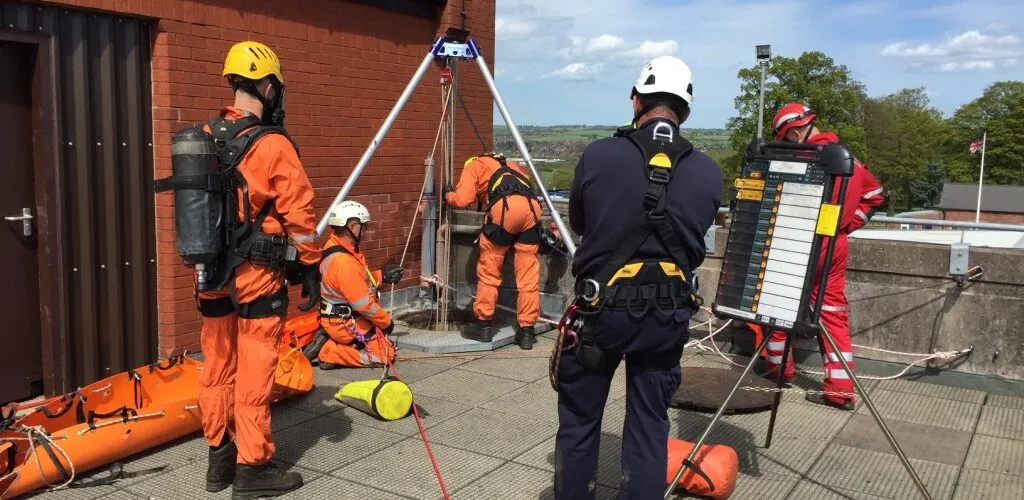
Covers site inspections, hazard control, and documentation for excavation and confined spaces.
04
Prepares supervisors to evaluate conditions, authorize entry permits, and oversee confined space operations.
Why Confined Space Entry Training Matters
Untested atmospheres can cause oxygen deficiency, toxic exposure, or fatalities. Training helps teams identify and control entry risks before work begins.
Risks Without Confined Space Training
Confined Space Entry
Fill out the form below, and our team will respond promptly with complete training details and next-step guidance.
OSHA 1910.146 / 1926 Subpart AA | Certified Trainers | Nationwide
We train entrants, attendants, and supervisors to plan entries safely, monitor air quality, and document each step for compliance.
Partner with Renew Safety
Get answers to common questions about Confined Space Entry.
A space large enough for entry but not intended for continuous occupancy, with limited access or egress.
Entrants, attendants, supervisors, and rescue personnel involved in any confined space work.
When hazards change, job duties shift, or entry procedures are revised—typically every one to three years.
Yes, basic rescue readiness and coordination with emergency services are covered.
Yes. We provide onsite and virtual sessions nationwide, with custom scheduling for multi-shift operations.