Battery Storage (BESS) Safety
Protecting workers and assets during battery energy storage construction, commissioning, and maintenance.
23+ Years in Safety
Experience across wind, solar, BESS, data centers, heavy civil, utilities, and industrial projects.
Aligned with OSHA / NFPA / EM 385 / ISO
Work built to OSHA 1910/1926, NFPA 70E, EM 385-1-1, and ISO 14001/45001/9001 frameworks.
Nationwide Coverage
United States projects with mobilization to Canada (Ontario, Alberta, Saskatchewan), Puerto Rico, and Mexico.
for Construction & Commissioning
This service provides on-site oversight and training for lithium-ion and flow battery systems. It focuses on managing electrical, chemical, and thermal hazards through instruction and supervision. Compliance with OSHA, NFPA, and EM 385 standards ensures safe installation and operation. The program helps prevent incidents and maintain safety across all project stages.
This program exists to protect crews from electrical exposure, chemical hazards, and energy release events while maintaining audit-ready documentation.
Battery Storage (BESS) Safety
Training programs for hazards in different industries, covering safety protocols, risk control, and regulatory compliance for each work environment.
01
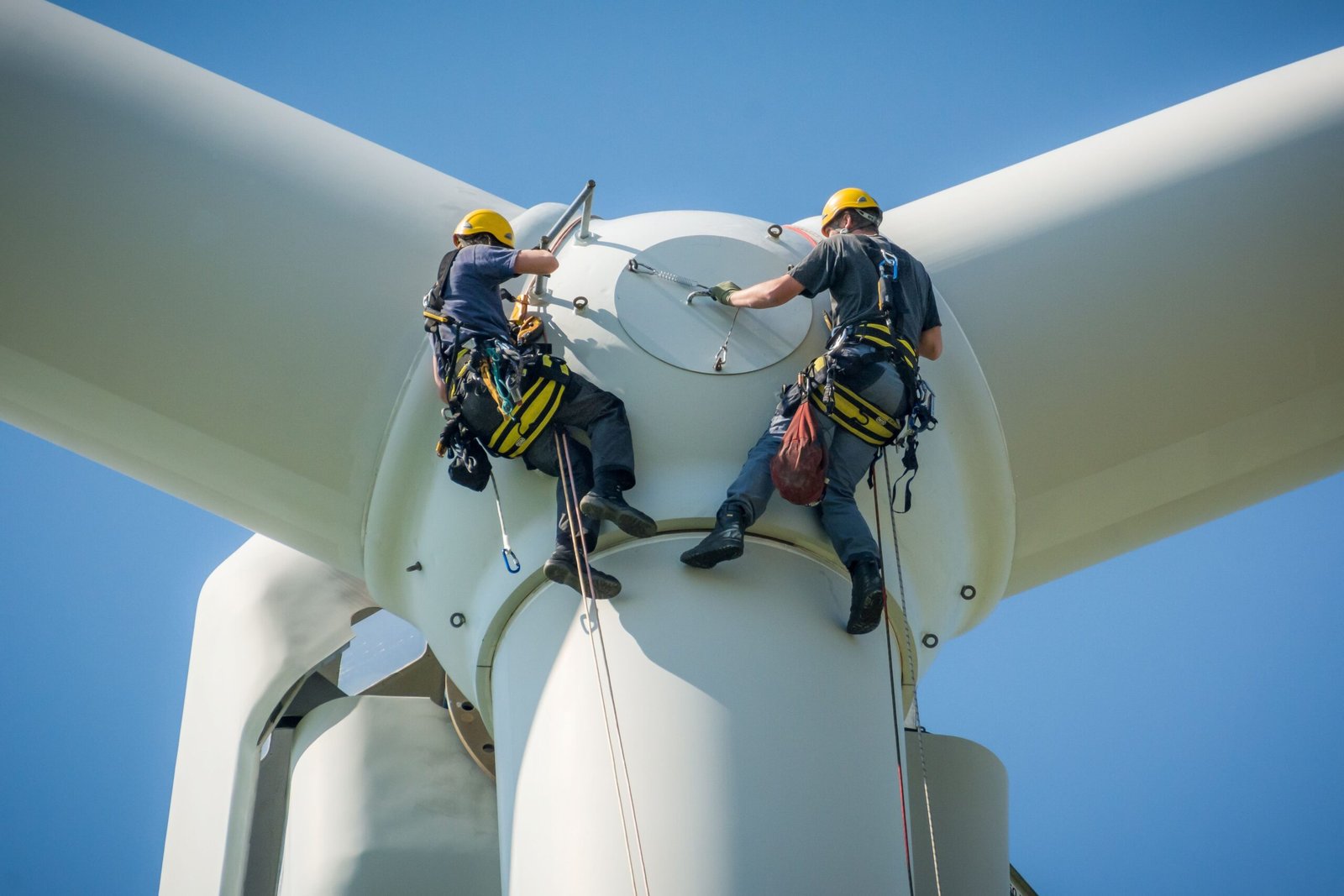
Covers turbine operation hazards, fall protection, electrical safety, and proper work practices for wind sites.
02
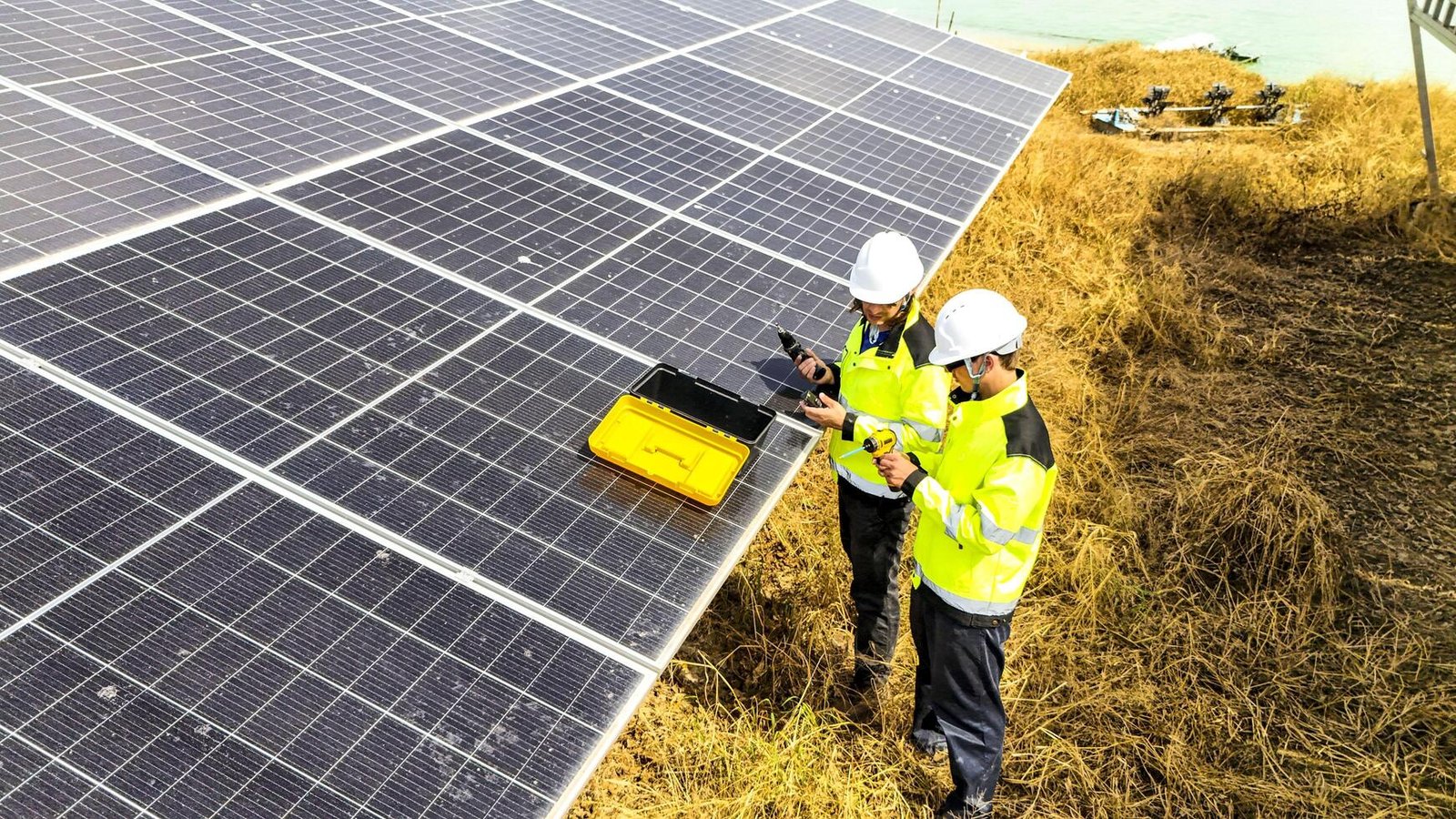
Focuses on rooftop and ground solar installations, electrical hazards, and safe work practices for crews.
03
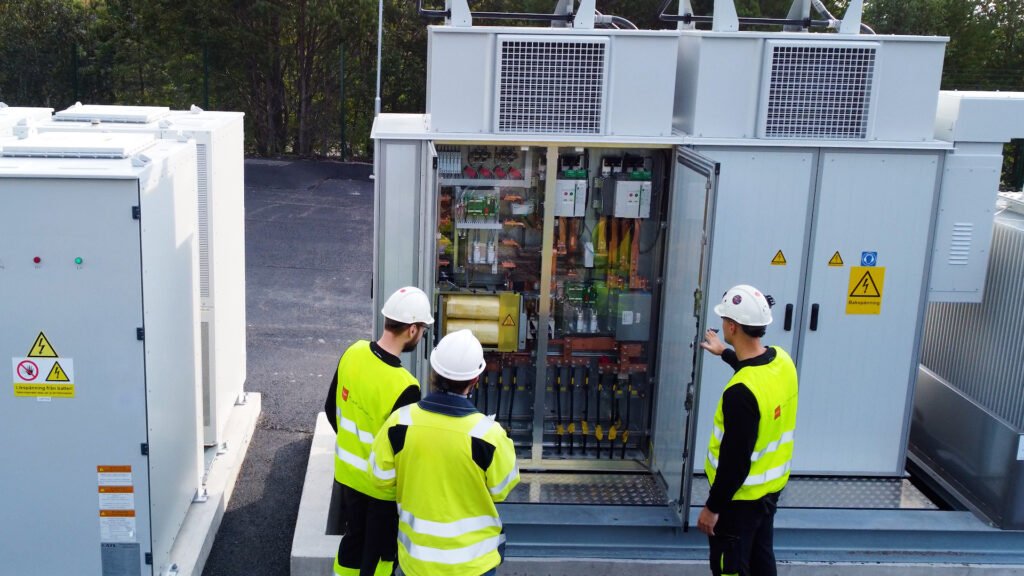
Training on handling, installation, and maintenance of battery storage systems and hazards.
04
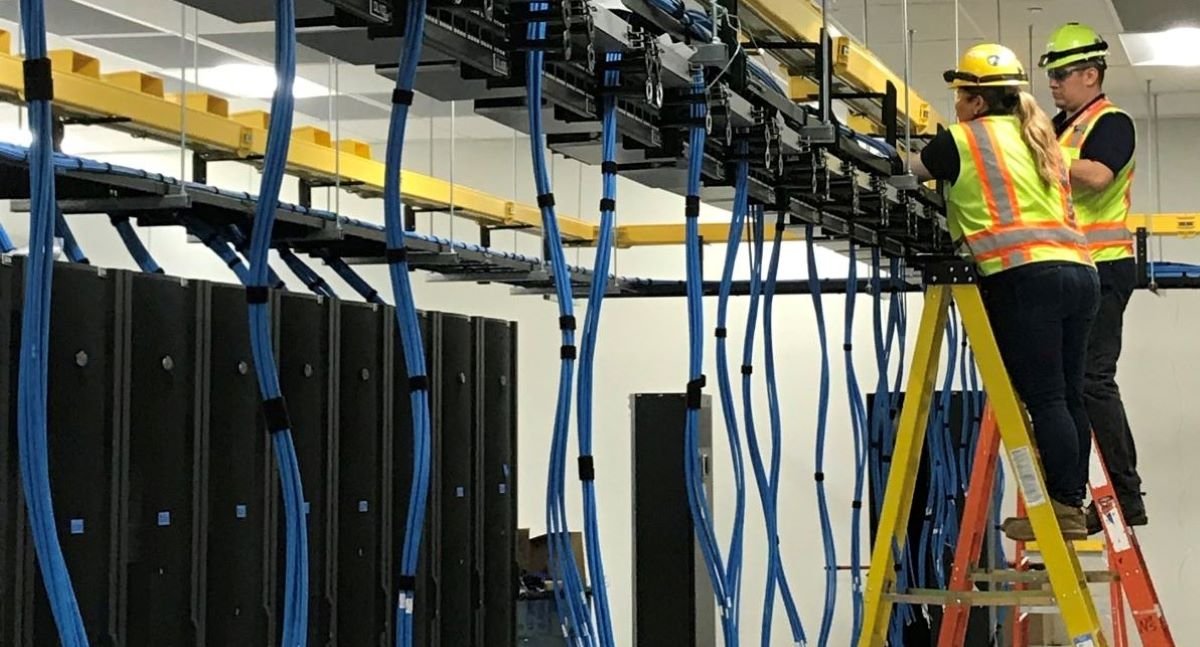
Covers electrical hazards, ergonomics, and safe work procedures in high-voltage data center environments.
The Risks of Running BESS Projects Without Safety Oversight
Battery storage systems pose electrical and chemical hazards. Without oversight, projects risk arc flash, fires, and costly delays.
What Goes Wrong Without Oversight
Battery Storage (BESS) Safety
Fill out the form below, and our team will respond promptly with complete training details and next-step guidance.
for Renewable Energy & Industrial Projects
We provide experienced safety professionals to manage high-voltage, chemical, and thermal risks associated with battery energy storage systems.
Partner with Renew Safety

Get answers to common questions about Battery Storage (BESS) Safety.
BESS projects follow OSHA 1910/1926, NFPA 70E for electrical safety, NFPA 855 for fire protection, and IEEE 1635 guidelines.
It helps workers understand energy isolation, fire prevention, and response procedures for lithium-ion systems.
Key risks include electric shock, thermal runaway, chemical leaks, and fire hazards from damaged cells.
Annually, or more frequently based on owner or site-specific requirements.
Yes. BESS safety sessions can be conducted during installation, commissioning, or maintenance phases at active sites.