Arc Flash Hazard Training
Advanced training on identifying and controlling arc flash hazards in line with OSHA 1910.333–1910.335 and NFPA 70E standards.
23+ Years in Safety
Experience across wind, solar, BESS, data centers, heavy civil, utilities, and industrial projects.
Aligned with OSHA / NFPA / EM 385 / ISO
Work built to OSHA 1910/1926, NFPA 70E, EM 385-1-1, and ISO 14001/45001/9001 frameworks.
Nationwide Coverage
United States projects with mobilization to Canada (Ontario, Alberta, Saskatchewan), Puerto Rico, and Mexico.
Preventing Electrical Injuries Safely
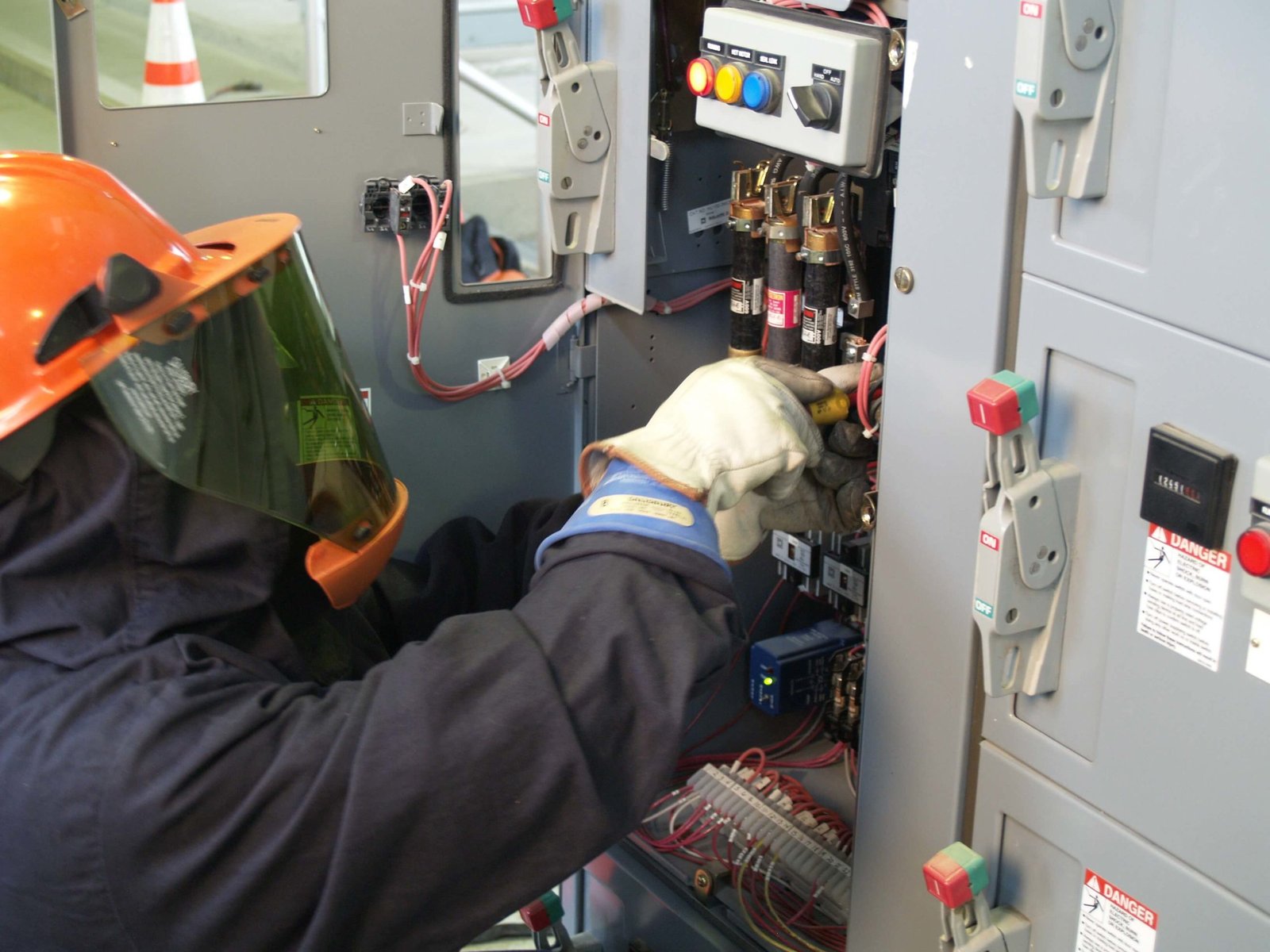
This program equips employees to identify arc flash hazards, establish safe approach boundaries, and apply effective protective methods. It provides practical guidance on assessing electrical risks, selecting proper PPE, and implementing preventive controls in accordance with NFPA 70E and OSHA 1910 standards. Through this training, workers gain the confidence and awareness needed to perform tasks safely around energized equipment.
It meets OSHA 1910 Subpart S and NFPA 70E requirements for employees exposed to energized electrical equipment.
Electrical Safety Awareness
Training programs focused on safe electrical work practices, hazard control, and compliance with OSHA and NFPA 70E standards.
01
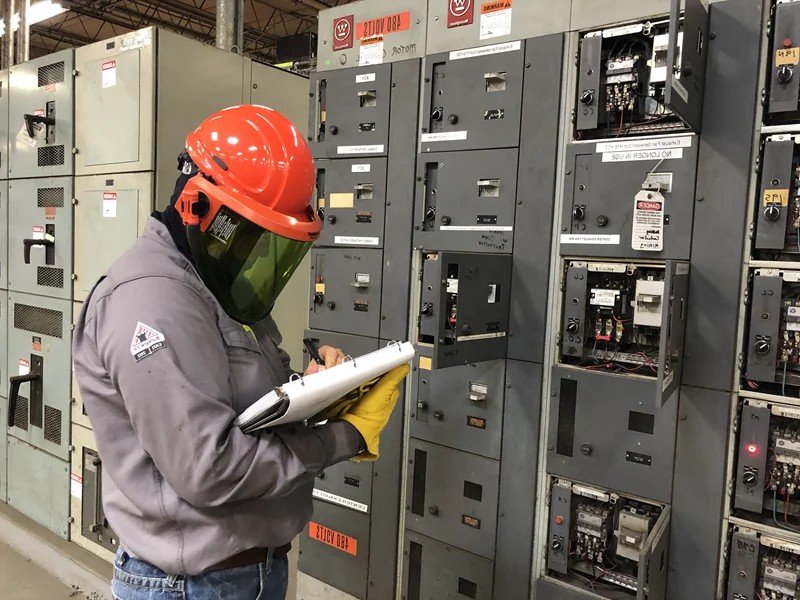
Introductory training on recognizing hazards, safe approach distances, and PPE requirements for all workers.
02
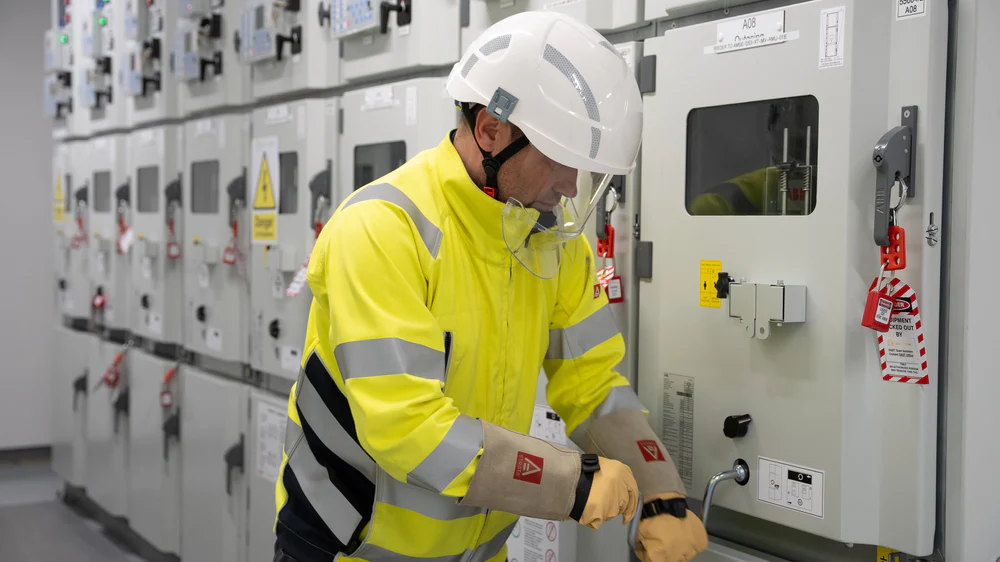
Course covering energized work procedures, voltage testing, and equipment safety responsibilities.
03
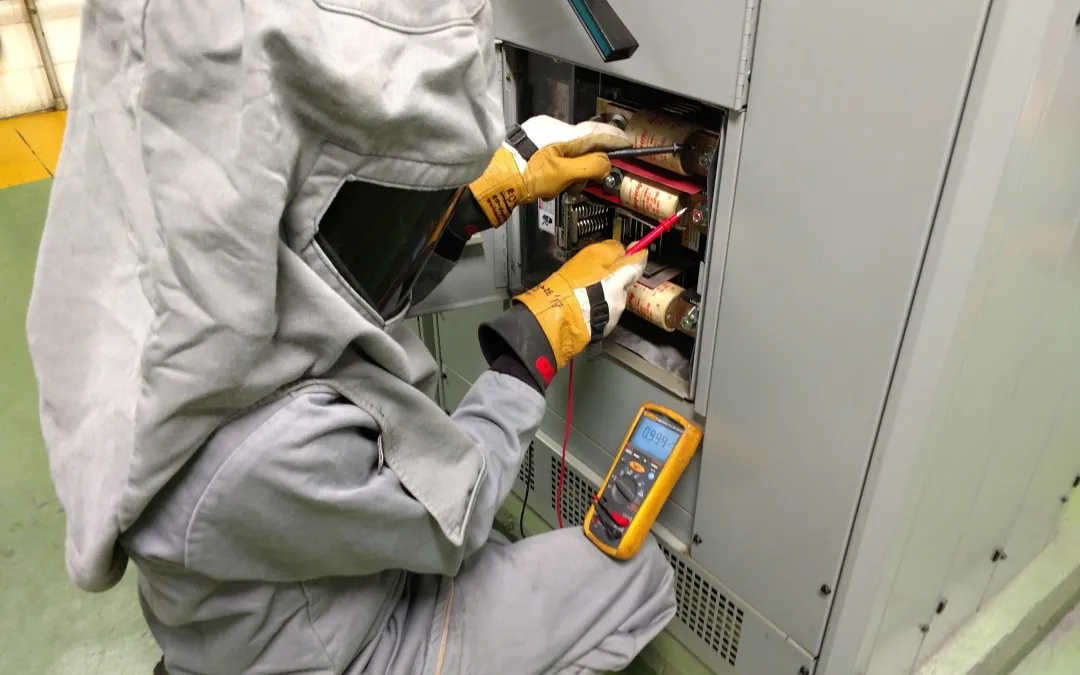
Instruction on arc flash boundaries, labeling, and proper selection of protective gear to prevent injury.

04
Training for supervisors to manage electrical safety programs, enforce standards, and verify compliance.
Why Arc Flash Hazard Training Matters for Safety
Arc flash incidents cause burns, equipment damage, and downtime. Training helps workers stay safe near energized systems.
Risks Without Arc Flash Training
Arc Flash Hazard Training
Fill out the form below, and our team will respond promptly with complete training details and next-step guidance.
OSHA 1910 / NFPA 70E | Certified Instructors | Nationwide Delivery
We train employees to assess electrical energy, apply safe work boundaries, and use PPE correctly to prevent injury and downtime.
Partner with Renew Safety
Get answers to common questions about Arc Flash Hazard Training.
It’s a program that teaches employees how to recognize arc flash risks, establish safe work boundaries, and use PPE to prevent injury.
Anyone working on or near energized electrical equipment, including electricians, maintenance staff, and engineers.
Every three years or whenever new electrical systems, PPE, or procedures are introduced.
Yes. The course fulfills NFPA 70E Article 110.6(A) and OSHA 1910.332–1910.335 training requirements.
Yes. Training is available onsite across the U.S. and Canada with options for virtual delivery.