Affected Employee Training
Training on lockout/tagout, de-energized equipment, and avoiding hazardous energy under OSHA 1910.147.
23+ Years in Safety
Experience across wind, solar, BESS, data centers, heavy civil, utilities, and industrial projects.
Aligned with OSHA / NFPA / EM 385 / ISO
Work built to OSHA 1910/1926, NFPA 70E, EM 385-1-1, and ISO 14001/45001/9001 frameworks.
Nationwide Coverage
United States projects with mobilization to Canada (Ontario, Alberta, Saskatchewan), Puerto Rico, and Mexico.
Energy Isolation & Avoid Exposure
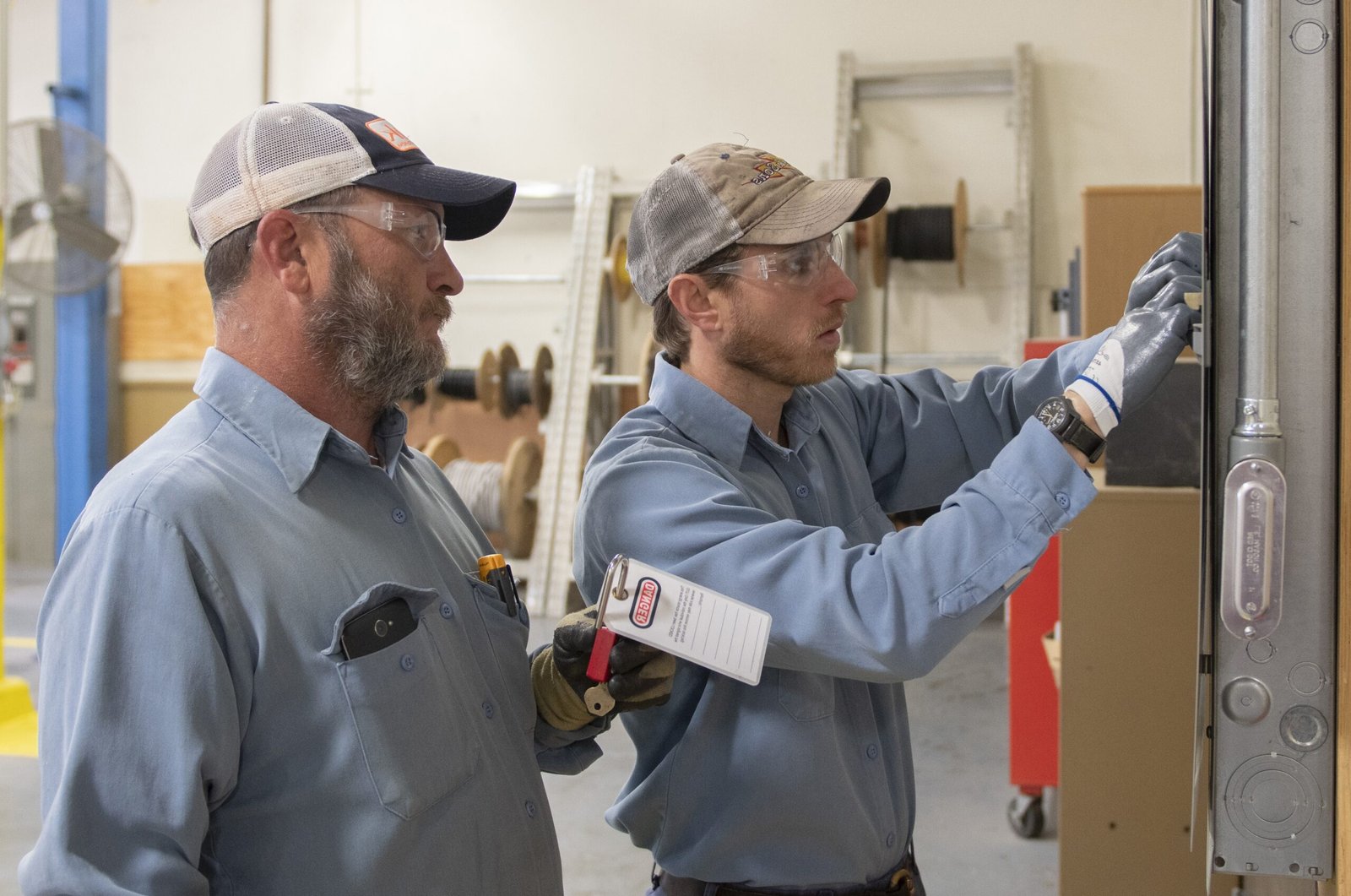
This training provides detailed instruction for employees who operate or work near equipment under lockout/tagout procedures. It teaches them how to accurately recognize hazardous energy control activities, stay clear of danger zones, follow proper notification and communication protocols, and ensure that all energy control measures are effectively implemented in compliance with OSHA standards for workplace safety.
Participants learn the purpose of lockout/tagout, the roles of authorized employees, and how to maintain communication during maintenance operations.
Lockout/Tagout (LOTO)
Training on controlling hazardous energy during maintenance and service tasks to prevent accidental equipment startup and ensure OSHA compliance.

01
Covers lockout/tagout steps, energy isolation, and verification for safe maintenance.
02
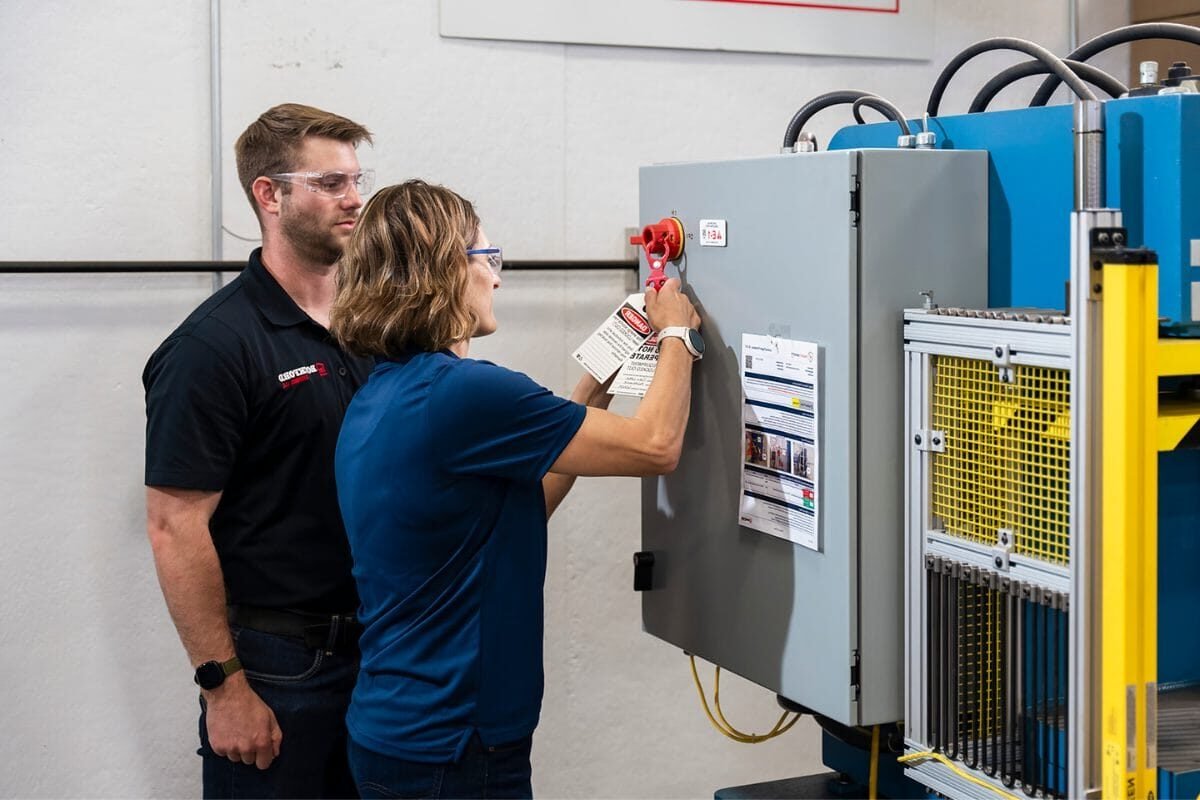
Teaches employees to safely apply and remove LOTO devices while following OSHA 1910.147 standards.
03
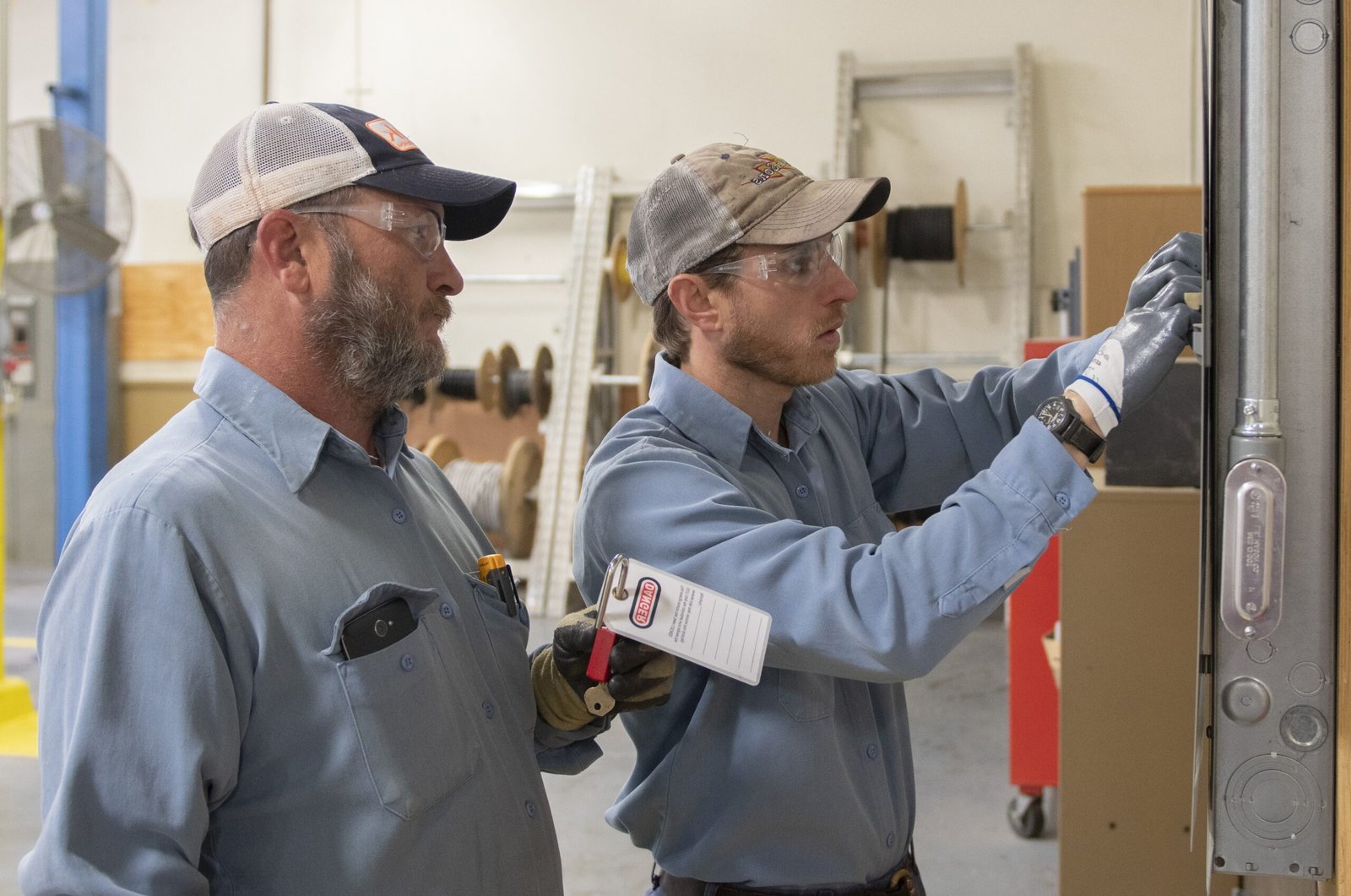
Prepares employees to recognize LOTO devices, understand hazards, and work safely around isolated equipment.
04
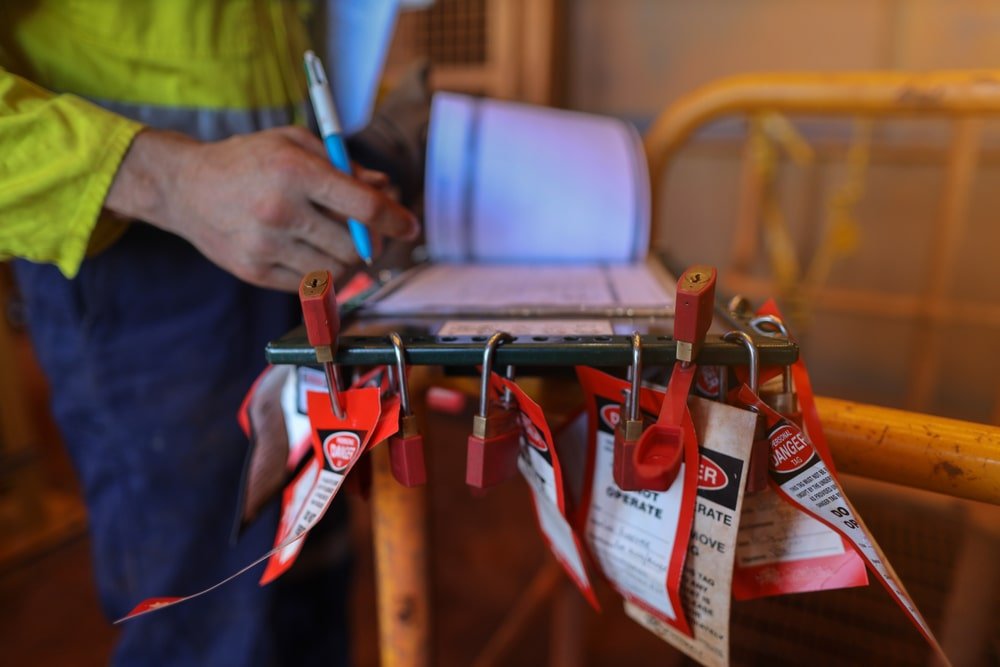
Guides supervisors in inspecting LOTO programs, verifying compliance, and maintaining proper documentation.
Why Proper Affected Employee Training Truly Matters
Affected employees may not perform energy control, but they must understand when and why equipment is locked out to avoid serious hazards.
Risks Without Affected Employee Training
Affected Employee Training
Fill out the form below, and our team will respond promptly with complete training details and next-step guidance.
OSHA 1910.147 / 1910.333(b) | Awareness | Certificate Provided
We prepare affected employees to understand lockout/tagout procedures, communicate effectively with authorized staff, and maintain safe work separation.
Partner with Renew Safety
Get answers to common questions about Affected Employee Training.
An affected employee operates or works near equipment being serviced and must understand when energy control procedures are in effect.
Any worker who does not apply locks or tags but may be exposed to equipment that is locked out during maintenance.
Certification is typically valid for three years unless equipment, job tasks, or procedures change.
Yes. It fulfills 1910.147(c)(7)(i)(B) for affected employee awareness-level training.
Yes. We offer onsite and virtual delivery options that align with facility schedules and project demands.